
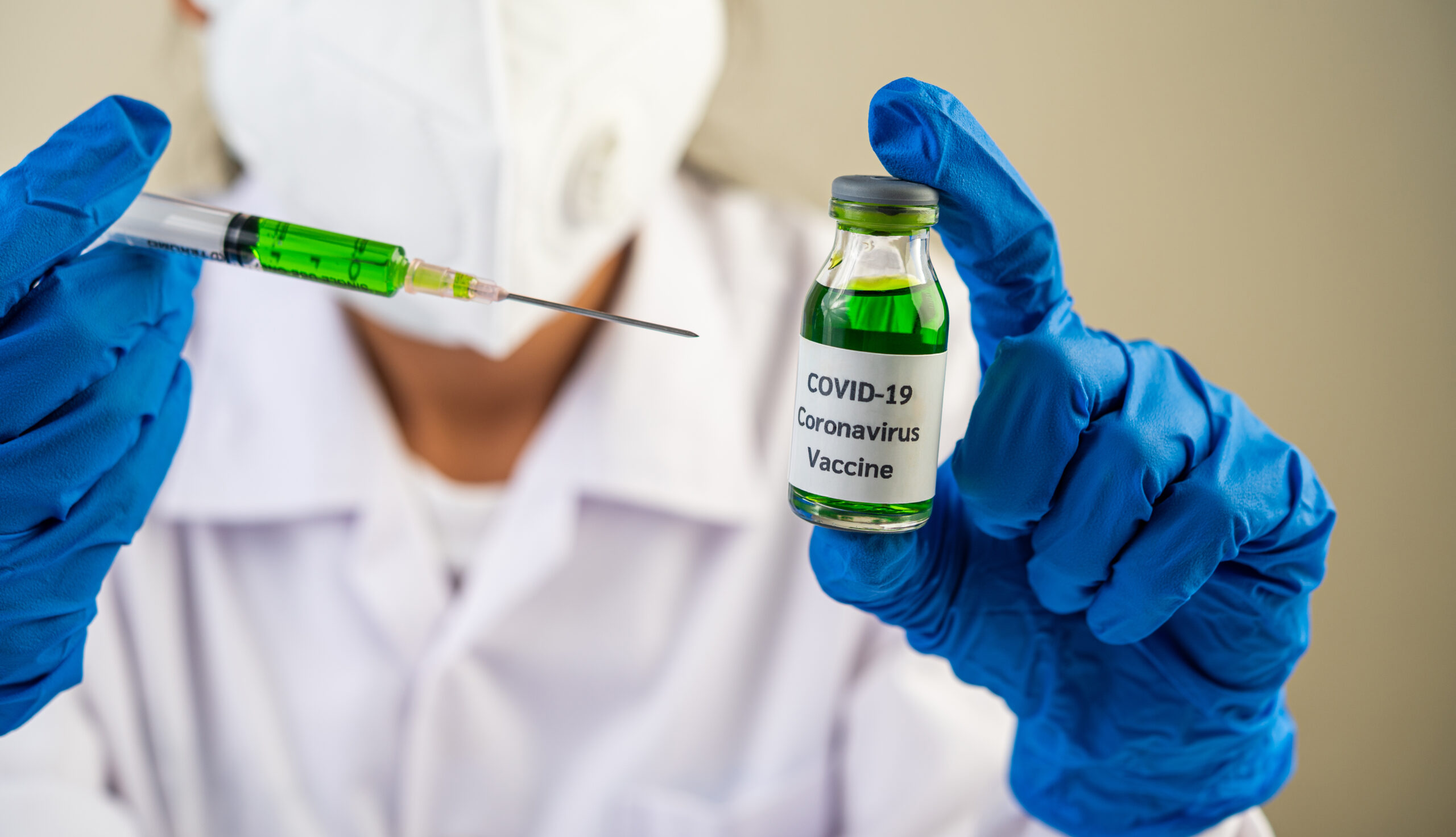
Vaccine research remains a cornerstone of global public health progress.
It continues to protect millions from deadly infectious diseases worldwide.
Moreover, scientific innovation drives faster, safer, and more effective vaccine development.
As a result, modern medicine achieves stronger disease prevention strategies.
Consequently, global immunity improves with each research breakthrough.
History and Evolution of Vaccine Development
Early vaccine research focused on basic disease prevention methods.
However, scientific understanding expanded rapidly over time.
As knowledge improved, vaccine formulations became more precise.
Therefore, researchers achieved higher safety and efficacy standards.
Meanwhile, technology transformed laboratory processes significantly.
Additionally, historical successes encouraged further scientific investment.
For instance, eradication campaigns demonstrated vaccine effectiveness.
Thus, research funding increased across public and private sectors.
Ultimately, vaccine science evolved into a multidisciplinary field.
Key Stages in Vaccine Research
Vaccine research follows a structured and regulated development pathway.
First, scientists identify suitable antigens through laboratory studies.
Next, preclinical testing evaluates safety using controlled environments.
Afterward, clinical trials begin with human volunteers.
Therefore, phased trials ensure safety, dosage accuracy, and effectiveness.
Subsequently, regulatory authorities conduct strict evaluations.
Once approved, vaccines enter large-scale production.
Finally, post-marketing surveillance monitors long-term outcomes.
Consequently, public trust strengthens through transparency.
Role of Technology in Vaccine Innovation
Advanced technology accelerates vaccine research significantly.
For example, genetic sequencing enables rapid pathogen analysis.
Likewise, artificial intelligence improves data interpretation accuracy.
As a result, researchers reduce development timelines effectively.
Moreover, mRNA platforms revolutionized modern vaccine science.
These platforms offer adaptability against emerging pathogens.
Therefore, scientists respond faster to global health threats.
Additionally, digital modeling enhances predictive research outcomes.
Global Collaboration in Vaccine Research
International collaboration strengthens vaccine research outcomes.
Scientists share data across borders efficiently.
Meanwhile, global health organizations coordinate research priorities.
Therefore, resources reach regions with urgent health needs.
Furthermore, partnerships reduce duplication of research efforts.
As a result, innovation progresses faster worldwide.
Likewise, collaborative trials increase population diversity.
Consequently, vaccines achieve broader effectiveness.
Ethical Standards and Safety in Vaccine Studies
Ethical compliance remains essential in vaccine research.
Researchers follow strict international guidelines consistently.
Therefore, participant safety receives top priority.
Informed consent remains a fundamental research requirement.
Additionally, independent review boards oversee all studies.
Thus, transparency and accountability remain central principles.
Consequently, public confidence continues to grow steadily.
Challenges Facing Vaccine Research Today
Despite progress, vaccine research faces ongoing challenges.
For instance, funding gaps slow scientific advancement.
Additionally, misinformation affects public perception negatively.
Therefore, education and communication remain critical.
Moreover, pathogen mutation complicates vaccine design.
As a result, continuous research becomes necessary.
Meanwhile, distribution barriers limit global vaccine access.
Thus, equitable solutions remain a research priority.
Future Trends in Vaccine Research
Future vaccine research emphasizes personalization and precision.
Scientists explore tailored vaccines for specific populations.
Meanwhile, universal vaccines gain research attention globally.
Therefore, long-term immunity becomes a realistic goal.
Additionally, needle-free vaccine delivery gains popularity.
Such methods improve accessibility and acceptance rates.
Furthermore, thermostable vaccines reduce storage challenges.
Consequently, distribution improves in remote regions.
Impact of Vaccine Research on Public Health
Vaccine research directly enhances global life expectancy.
It reduces healthcare costs through disease prevention.
Moreover, immunization programs protect vulnerable populations.
As a result, community health resilience strengthens.
Furthermore, vaccine research supports economic stability.
Healthy populations contribute to workforce productivity.
Therefore, research investment delivers long-term societal benefits.
Ultimately, vaccines remain one of medicine’s greatest achievements.
Conclusion: The Ongoing Importance of Vaccine Research
Vaccine research continues shaping the future of healthcare.
Scientific innovation drives safer and faster vaccine solutions.
Meanwhile, global collaboration strengthens research impact.
Therefore, sustained investment remains essential.
As challenges evolve, research adapts continuously.
Consequently, global health security improves steadily.
Vaccine research stands as a symbol of scientific progress.
Ultimately, it safeguards humanity against emerging health threats.