Strategic Cyber Threat Intelligence in the Modern Digital Era
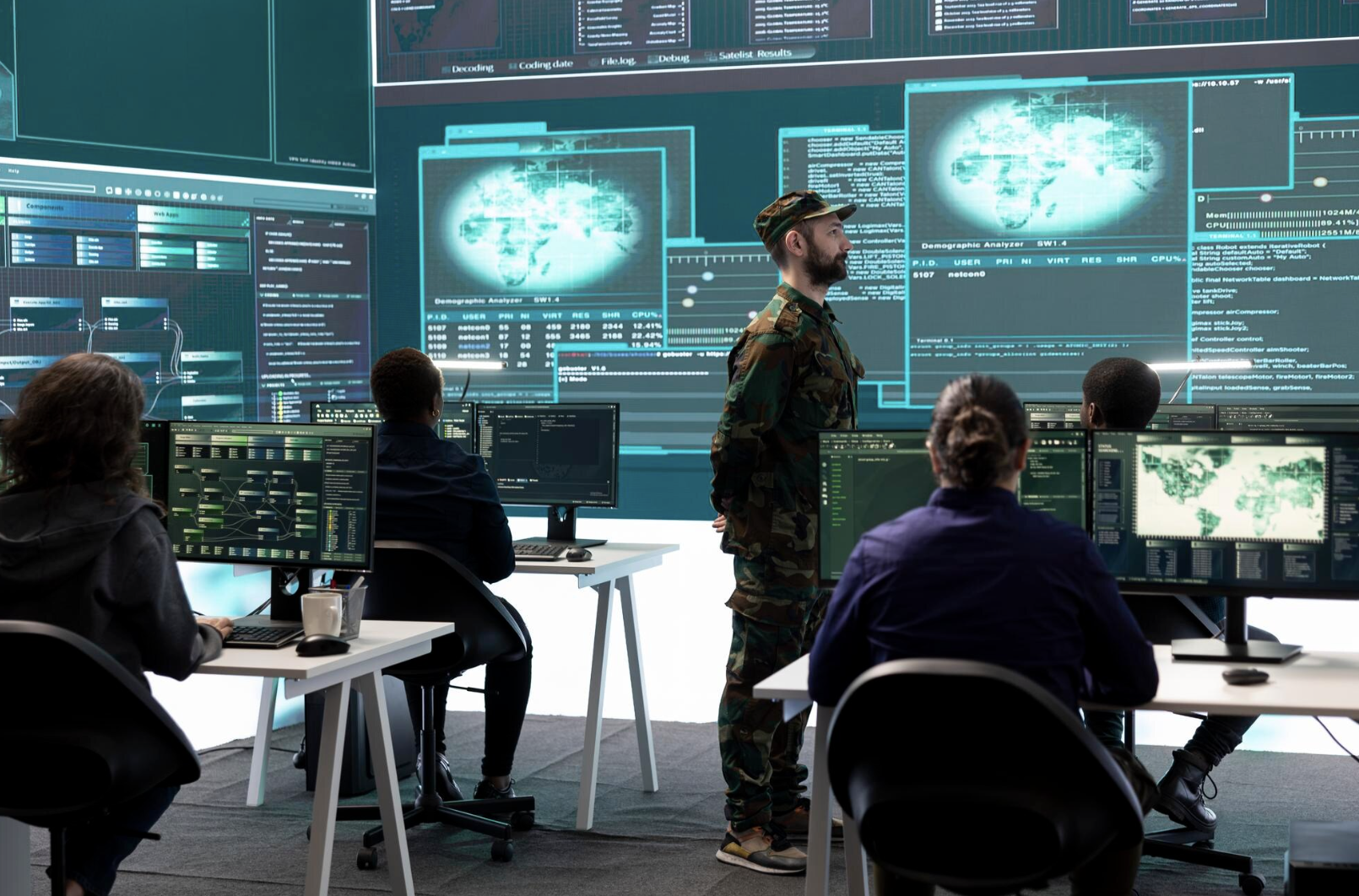
Cyber Threat Intelligence (CTI) represents a disciplined, data-driven approach to identifying, analyzing, and responding to malicious cyber activities. In a digital ecosystem shaped by advanced persistent threats, ransomware campaigns, state-sponsored attacks, and cybercrime-as-a-service, organizations require more than reactive security controls. We operate in an environment where intelligence-led cybersecurity is essential for maintaining resilience, operational continuity, and trust.
CTI transforms raw technical data into actionable intelligence that supports informed decision-making across technical, operational, and strategic levels. By correlating threat indicators, adversary behavior, and contextual risk factors, we strengthen defenses while reducing uncertainty and exposure.
Core Components of Cyber Threat Intelligence
Cyber threat intelligence is structured around multiple interconnected components that together form a comprehensive intelligence lifecycle.
Threat Data Collection and Aggregation
We continuously gather data from diverse sources, including:
- Open-source intelligence (OSINT)
- Dark web monitoring
- Security logs and telemetry
- Threat feeds and intelligence exchanges
- Incident response artifacts
This aggregation ensures visibility across the full threat landscape, capturing both known and emerging risks.
Threat Analysis and Correlation
Collected data is enriched and correlated to identify meaningful patterns. We analyze:
- Indicators of compromise (IOCs)
- Tactics, techniques, and procedures (TTPs)
- Adversary infrastructure and tooling
- Attack vectors and exploitation trends
Advanced analytics, behavioral modeling, and contextual scoring convert fragmented data into high-confidence intelligence.
Types of Cyber Threat Intelligence
A mature CTI program delivers intelligence tailored to different organizational needs.
Strategic Threat Intelligence
Strategic CTI supports executive leadership and long-term planning. It focuses on:
- Global threat trends
- Geopolitical cyber risks
- Industry-specific threat actors
- Regulatory and compliance implications
This intelligence informs investment priorities, risk governance, and enterprise security strategy.
Operational Threat Intelligence
Operational intelligence addresses imminent or ongoing campaigns. It provides:
- Adversary intent and objectives
- Campaign timelines
- Targeting patterns
- Attack readiness assessments
Security teams use this intelligence to anticipate attacks and disrupt adversary operations.
Tactical Threat Intelligence
Tactical CTI supports day-to-day security operations by delivering:
- Malware signatures
- IP addresses and domains
- Phishing indicators
- Exploit fingerprints
This intelligence enables rapid detection and response within security controls.
Technical Threat Intelligence
Technical intelligence integrates directly with tools such as SIEM, SOAR, EDR, and firewalls. It enhances:
- Automated threat blocking
- Real-time alerting
- Incident triage accuracy
Threat Actor Profiling and Attribution
Understanding adversaries is central to effective cyber defense. We build detailed profiles that include:
Motivation and capability
Preferred attack vectors
Operational maturity
Historical campaign data
Threat actor profiling improves prediction accuracy and defensive prioritization, allowing organizations to focus resources where risk is highest.
Cyber Threat Intelligence Lifecycle
An effective CTI program follows a structured lifecycle to ensure consistency and relevance.
Direction and Requirements Definition
We define intelligence requirements aligned with business risk, regulatory obligations, and threat exposure.
Collection and Processing
Data is collected, normalized, de-duplicated, and enriched to support accurate analysis.
Analysis and Production
Analysts apply analytical frameworks, hypothesis testing, and contextual reasoning to generate intelligence outputs.
Dissemination and Integration
Intelligence is delivered in formats suitable for stakeholders, from executive briefings to machine-readable feeds.
Feedback and Optimization
Continuous feedback refines intelligence requirements and improves analytical accuracy over time.

Role of Cyber Threat Intelligence in Risk Management
Cyber threat intelligence directly enhances enterprise risk management by enabling:
-
Proactive threat mitigation
-
Reduced attack surface
-
Improved incident response efficiency
-
Informed investment decisions
By aligning intelligence with risk tolerance, organizations maintain resilience while optimizing security spending.
CTI and Incident Response Synergy
During incidents, CTI accelerates containment and recovery by providing:
- Attack context and scope
- Adversary next-step prediction
- Known remediation strategies
- Attribution confidence
This integration shortens dwell time and limits operational disruption.
Automation and Artificial Intelligence in CTI
Modern CTI platforms leverage machine learning and artificial intelligence to scale intelligence operations. Automation enables:
- Rapid data ingestion
- Pattern recognition at scale
- Anomaly detection
- Predictive threat modeling
AI-driven CTI enhances speed without sacrificing analytical rigor.
Cyber Threat Intelligence Sharing and Collaboration
Threat intelligence sharing strengthens collective defense. Participation in:
- Information sharing and analysis centers (ISACs)
- Industry alliances
- Public-private partnerships
enables organizations to gain early warning of threats while contributing to broader ecosystem security.
Compliance, Governance, and Ethical Intelligence Use
CTI programs operate within defined legal and ethical boundaries. Governance ensures:
- Data privacy protection
- Regulatory compliance
- Responsible intelligence handling
- Transparent reporting
- Well-governed intelligence builds trust internally and externally.
Measuring Cyber Threat Intelligence Effectiveness
We evaluate CTI effectiveness through measurable outcomes, including:
- Reduction in successful attacks
- Improved detection accuracy
- Faster response times
- Actionable intelligence utilization rates
- Metrics-driven assessment ensures continuous improvement and demonstrable value.
Future Outlook of Cyber Threat Intelligence
The evolution of cloud computing, Internet of Things (IoT), 5G networks, and quantum technologies continues to reshape the threat landscape. Cyber threat intelligence adapts by integrating:
- Predictive analytics
- Cross-domain intelligence
- Behavioral threat modeling
- Adaptive risk scoring
CTI remains a foundational pillar of modern cybersecurity, enabling organizations to operate confidently in an increasingly hostile digital environment.