Early childhood education represents the most critical phase in human development, encompassing learning experiences from birth to approximately eight years of age. During these formative years, children develop cognitive, emotional, social, and physical abilities that shape their future academic success and overall well-being. We recognize early childhood education as a structured, research-based approach that nurtures curiosity, creativity, and resilience while establishing essential learning habits that last a lifetime.
The Importance of Early Childhood Education
Early childhood education is not optional enrichment; it is a fundamental investment in individual and societal growth. High-quality early education programs provide children with opportunities to explore, experiment, and interact in environments that stimulate brain development. We observe that children exposed to early learning frameworks demonstrate stronger language skills, improved problem-solving abilities, and higher emotional intelligence.
Research consistently shows that early education reduces learning gaps, promotes equity, and increases long-term academic achievement. By fostering a love for learning early, we empower children to approach future challenges with confidence and adaptability.
Key Developmental Domains in Early Childhood
Cognitive Development
Cognitive growth during early childhood involves the development of memory, attention, reasoning, and early literacy and numeracy skills. Structured play, storytelling, and hands-on activities strengthen neural connections and support critical thinking. We emphasize learning environments that encourage exploration and inquiry-based learning.
Social and Emotional Development
Children learn to understand emotions, build relationships, and develop empathy through guided social interaction. Early childhood education programs prioritize emotional regulation, cooperation, and conflict resolution, ensuring children gain the interpersonal skills required for academic and personal success.
Language and Communication Skills
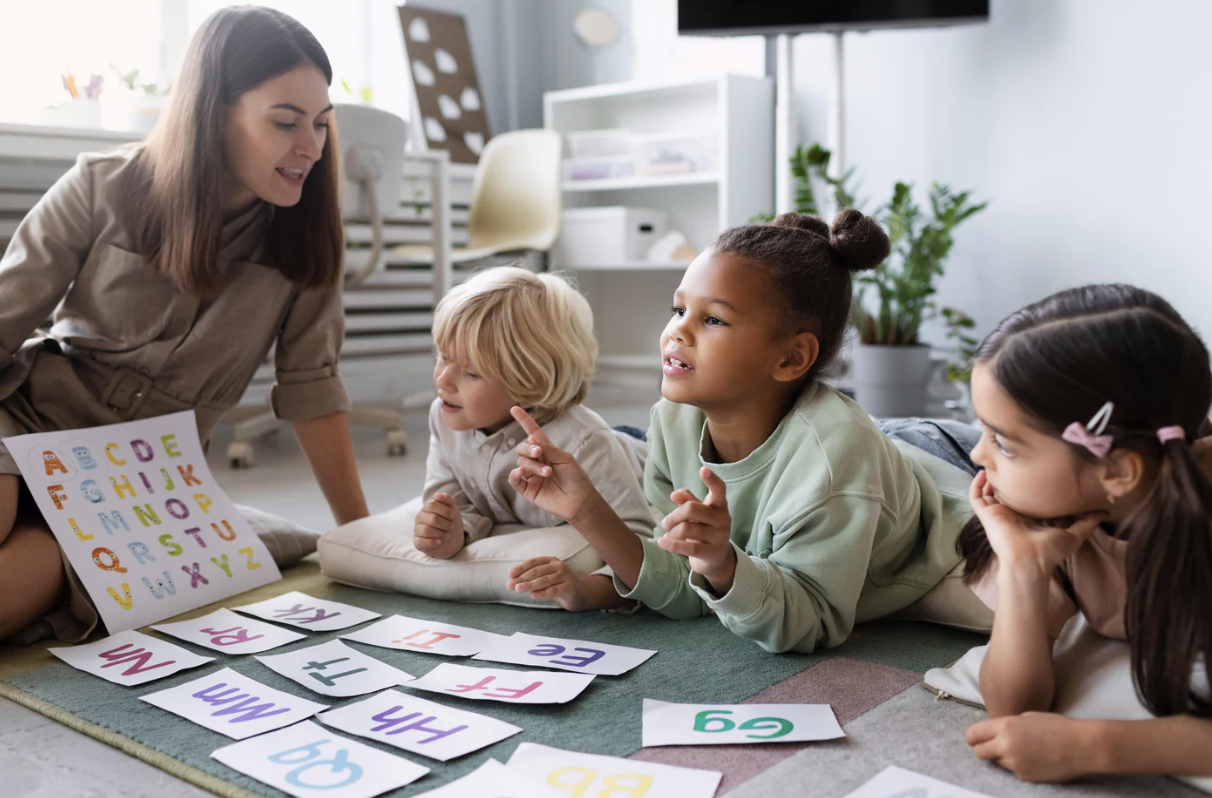
Language acquisition accelerates rapidly in early childhood. Exposure to rich vocabulary, conversation, and storytelling enhances listening, speaking, and early reading skills. We integrate language-rich activities that promote expressive and receptive communication.
Physical Development
Gross and fine motor skills are developed through movement, play, and creative activities. Early childhood education supports physical growth by incorporating structured physical play, coordination exercises, and health-conscious routines.
Curriculum Approaches in Early Childhood Education
Play-Based Learning
Play-based learning is central to effective early education. Through play, children engage naturally with concepts such as numbers, patterns, and social roles. We design play environments that align educational goals with child-led exploration.
Montessori Education
The Montessori approach emphasizes independence, self-directed activity, and hands-on learning. Carefully prepared environments allow children to progress at their own pace, fostering self-confidence and intrinsic motivation.
Reggio Emilia Approach
This approach views children as capable learners and emphasizes collaboration, creativity, and project-based exploration. Educators act as facilitators, guiding learning through observation and reflection.
Structured Early Learning Programs
Balanced programs integrate structured instruction with creative activities. We implement evidence-based curricula that ensure children meet developmental milestones while maintaining enthusiasm for learning.
The Role of Educators in Early Childhood Education
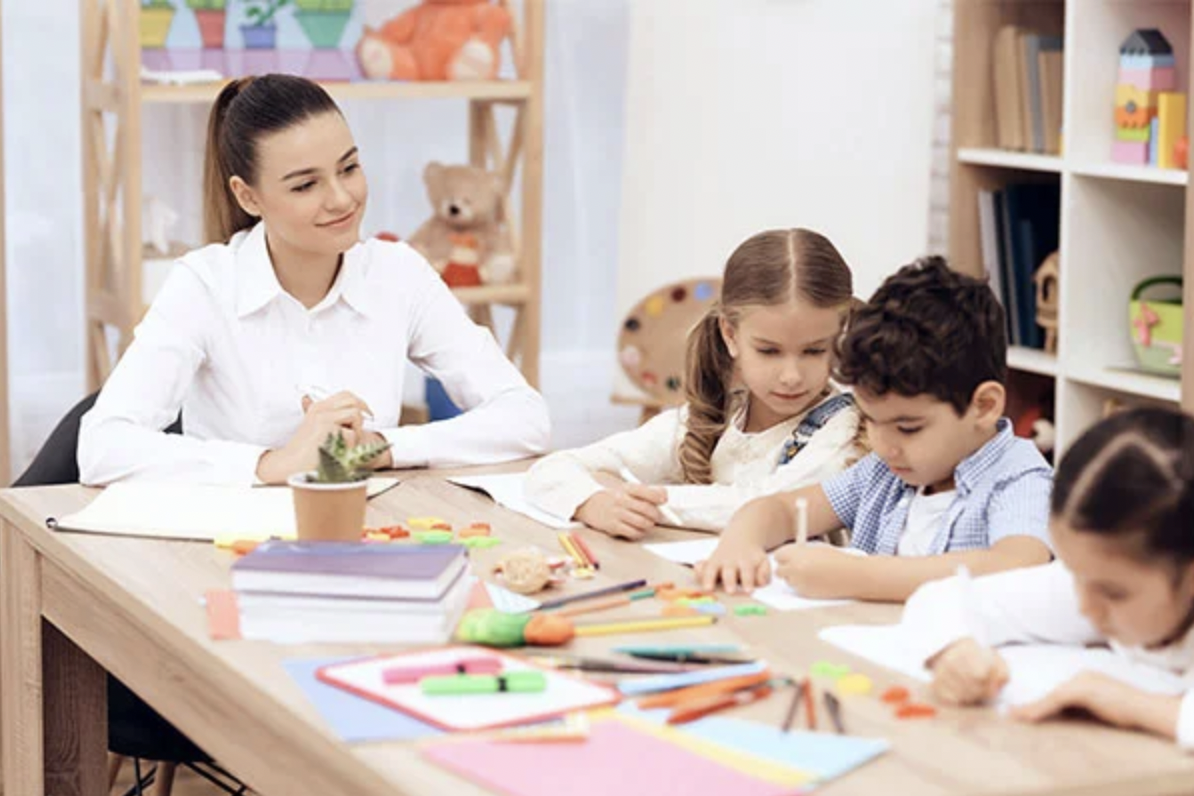
Early childhood educators are trained professionals who understand child development and pedagogy. Their role extends beyond instruction to include mentorship, observation, and individualized support. We prioritize continuous professional development to ensure educators remain equipped with current research and best practices.
Effective educators create inclusive environments, adapt teaching strategies, and collaborate with families to support holistic child development.
Parental Involvement and Family Engagement
Active family involvement plays a vital role in shaping effective early childhood education. When parents actively participate in their child’s learning journey, outcomes improve significantly. We encourage open communication, shared learning activities, and consistent routines between home and educational settings.
Parents who reinforce learning concepts at home help children build confidence and continuity in their educational experiences.
Technology in Early Childhood Education
When used thoughtfully, technology enhances early learning experiences. Interactive digital tools support literacy, numeracy, and creativity while promoting engagement. We advocate for age-appropriate, guided technology use that complements hands-on learning rather than replacing it.
Balanced integration of technology prepares children for a digital world while preserving essential interpersonal and experiential learning.
Benefits of High-Quality Early Childhood Education
High-quality early education yields measurable benefits that extend into adulthood. These include:
- Improved academic performance
- Higher graduation rates
- Enhanced social competence
- Reduced behavioral challenges
- Increased lifelong earning potential
We recognize early childhood education as a powerful tool for social mobility and economic stability.
Equity and Accessibility in Early Childhood Education
Ensuring access to quality early education for all children is essential. We support policies and initiatives that expand availability, affordability, and inclusivity. Equitable access addresses disparities and ensures every child receives the foundation needed to thrive.
Community-based programs, public-private partnerships, and targeted funding initiatives play vital roles in expanding early learning opportunities.
Assessment and Evaluation in Early Childhood Education
Assessment in early childhood focuses on observation and developmental milestones rather than standardized testing. We utilize formative assessment techniques to monitor progress, identify strengths, and tailor instruction. This approach supports individualized learning and promotes positive educational experiences.
Future Trends in Early Childhood Education
The future of early childhood education emphasizes innovation, inclusivity, and evidence-based practice. Emerging trends include:
- Trauma-informed teaching
- Culturally responsive curricula
- Integrated health and education services
- Enhanced educator training
We continue to adapt to evolving research to ensure early education remains responsive to children’s needs.
Conclusion
Early childhood education forms the bedrock of lifelong learning and personal development. By investing in high-quality programs, skilled educators, and supportive families, we cultivate environments where children flourish academically, socially, and emotionally. Our commitment to early childhood education ensures a stronger, more resilient future for individuals and communities alike.