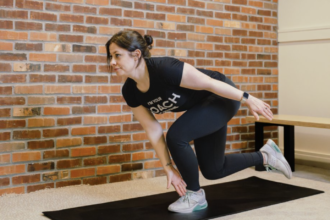

Fitness and nutrition shape a powerful foundation for a healthier life. Together, they improve strength, energy, and overall balance. When applied consistently, they enhance performance, focus, and long-term well-being. This guide delivers clear, practical insights designed for sustainable results and real progress.
Understanding the Core of Physical Fitness
Physical fitness extends beyond appearance or weight goals. Instead, it supports movement, resilience, and daily performance. A complete fitness approach improves how the body functions every day.
Fitness includes strength, endurance, mobility, flexibility, and cardiovascular capacity. Therefore, training should address all areas evenly. Balanced routines support longevity and reduce injury risk.
Essential Components of a Balanced Fitness Plan
Strength training builds lean muscle and protects joints. It also increases metabolism and functional power. Meanwhile, cardiovascular exercise improves heart health and stamina.
Flexibility training enhances movement quality and reduces tension. Likewise, mobility work supports joint health and posture. Balance exercises improve coordination and daily stability.
When combined, these elements create a resilient and adaptable body.
Why Nutrition Drives Fitness Results
Nutrition fuels every workout and recovery process. Without proper fuel, progress slows and fatigue increases. Therefore, smart nutrition remains essential for performance and consistency.
A fitness-focused diet balances macronutrients, micronutrients, and hydration. Each element supports energy, repair, and hormonal balance.
Macronutrients Explained for Active Lifestyles
Protein supports muscle repair, growth, and immunity. It also promotes satiety and recovery. Carbohydrates provide energy for workouts and daily tasks.
Balanced intake ensures stable energy and faster recovery.
Micronutrients That Support Performance and Health
Micronutrients regulate vital body functions. Although required in smaller amounts, they remain essential.
Iron supports oxygen delivery to muscles. Calcium and vitamin D strengthen bones. Magnesium aids muscle relaxation and nerve function. B vitamins boost energy metabolism and focus.
Whole foods provide these nutrients naturally and effectively.
Meal Planning for Fitness and Nutrition Success
Meal planning creates structure and consistency. It also reduces stress and poor food choices.
Prioritize whole, minimally processed foods daily. Include protein with every meal. Adjust carbohydrates based on activity levels. Add healthy fats in moderation.
Regular meal timing supports digestion and energy balance.
Pre-Workout and Post-Workout Nutrition Strategies
Pre-workout nutrition prepares the body for effort. Focus on digestible carbohydrates and moderate protein. This approach boosts energy and protects muscle.
Post-workout meals support recovery and growth. Combine quality protein with complex carbohydrates. This pairing restores glycogen and repairs muscle tissue.
Proper timing enhances training adaptations and performance gains.
Hydration and Its Role in Fitness Performance
Hydration directly impacts strength, endurance, and focus. Even slight dehydration reduces performance.
Drink water consistently throughout the day. Increase intake during intense training. Replace electrolytes after long sessions. Monitor hydration through urine color.
Adequate hydration supports circulation and temperature control.
Weight Management Through Fitness and Nutrition
Sustainable weight management requires patience and balance. Quick fixes often fail long term.
Combine resistance training with cardio for best results. Adjust calories based on goals. Prioritize protein to preserve lean mass. Avoid extreme restriction.
Focus on body composition rather than scale weight.
Mental Health Benefits of Fitness and Nutrition
Physical activity and nutrition strongly influence mental health. Regular movement reduces stress and anxiety. Balanced diets support mood stability and focus.
Exercise improves sleep quality and confidence. Nutrition stabilizes energy and emotional balance. Together, they strengthen mental resilience.
Consistency builds discipline and clarity over time.
Common Fitness and Nutrition Mistakes to Avoid
Many people hinder progress through avoidable habits. Skipping meals slows metabolism and recovery. Overtraining increases injury risk and burnout.
Relying on processed diet foods reduces nutrient intake. Ignoring mobility leads to stiffness and pain. Inconsistent routines delay results.
Awareness prevents setbacks and frustration.
Building Sustainable Fitness and Nutrition Habits
Long-term success depends on realistic strategies. Sustainable habits outperform extreme efforts.
Set achievable goals with measurable outcomes. Track progress without obsession. Allow flexibility for social balance. Adjust routines as life changes.
Consistency creates lasting transformation.
Adapting Fitness and Nutrition Across Life Stages
Fitness and nutrition needs evolve with age. Tailored approaches ensure continued health.
Younger individuals should build skills and balanced habits. Adults should focus on strength and stress control. Older adults benefit from mobility and bone support.
Adaptation keeps routines effective and safe.
The Lasting Power of Fitness and Nutrition
Fitness and nutrition work best together. This partnership builds strength, energy, and resilience. Through structured exercise and intentional eating, health goals become achievable.
Consistency and knowledge drive long-term success. When aligned, fitness and nutrition create a powerful path toward lifelong vitality.