

Revolutionizing Financial Operations in the Digital Age
The landscape of business accounting has undergone a remarkable transformation as we navigate through 2026. Cloud based accounting platforms have become indispensable tools that liberate financial management from physical constraints. These innovative systems allow business professionals to oversee their monetary affairs, whether they are at headquarters, traveling internationally, or working remotely from home.
This technological evolution represents a significant departure from conventional accounting practices. Businesses have discovered that managing finances no longer requires dedicated office spaces filled with filing cabinets and powerful desktop computers. The cloud has democratized access to professional grade accounting tools, making them available to startups and established corporations alike.
The Foundation of Cloud Accounting Systems
Cloud accounting functions through a sophisticated internet infrastructure where financial information resides on professionally managed servers. Users access their accounts through standard web browsers or dedicated applications, requiring nothing more than an internet connection and login credentials. This architecture eliminates dependency on specific hardware or physical storage devices.
What distinguishes these systems is their perpetual availability and synchronized nature. When a transaction gets recorded in one location, it immediately appears across all connected devices. This instantaneous updating ensures everyone working with the financial data sees identical information, preventing discrepancies that plagued older systems.
Transformative Benefits for Contemporary Enterprises
Universal Access to Financial Data
Perhaps the most celebrated feature involves accessing accounting information from practically anywhere on Earth. Business leaders can examine profit margins while meeting potential investors, authorize payments during vacation, or reconcile accounts from a remote cabin. This unrestricted access empowers decision-makers to respond quickly to financial developments regardless of their physical location.
Reduced Infrastructure Investment
Traditional accounting systems demanded substantial capital expenditure for servers, backup solutions, and technical personnel. Cloud platforms operate on predictable monthly or annual subscriptions that include all maintenance, updates, and technical support. This financial model allows businesses to redirect capital toward growth initiatives rather than IT infrastructure.
Streamlined Communication Channels
Multiple stakeholders can interact with financial records simultaneously without creating conflicts or duplicated efforts. Tax advisors access necessary documents while business owners review performance metrics and staff members process invoices. This parallel workflow accelerates financial processes that previously required sequential handling.
Cutting-Edge Features Defining 2026 Solutions
Intelligent Transaction Management
Contemporary platforms incorporate sophisticated algorithms that connect with financial institutions to retrieve transaction data automatically. The system analyzes spending patterns and vendor information to categorize expenses with minimal human intervention. Over time, the software adapts to specific business practices, continuously improving its accuracy and reducing manual oversight requirements.
Comprehensive Analytical Tools
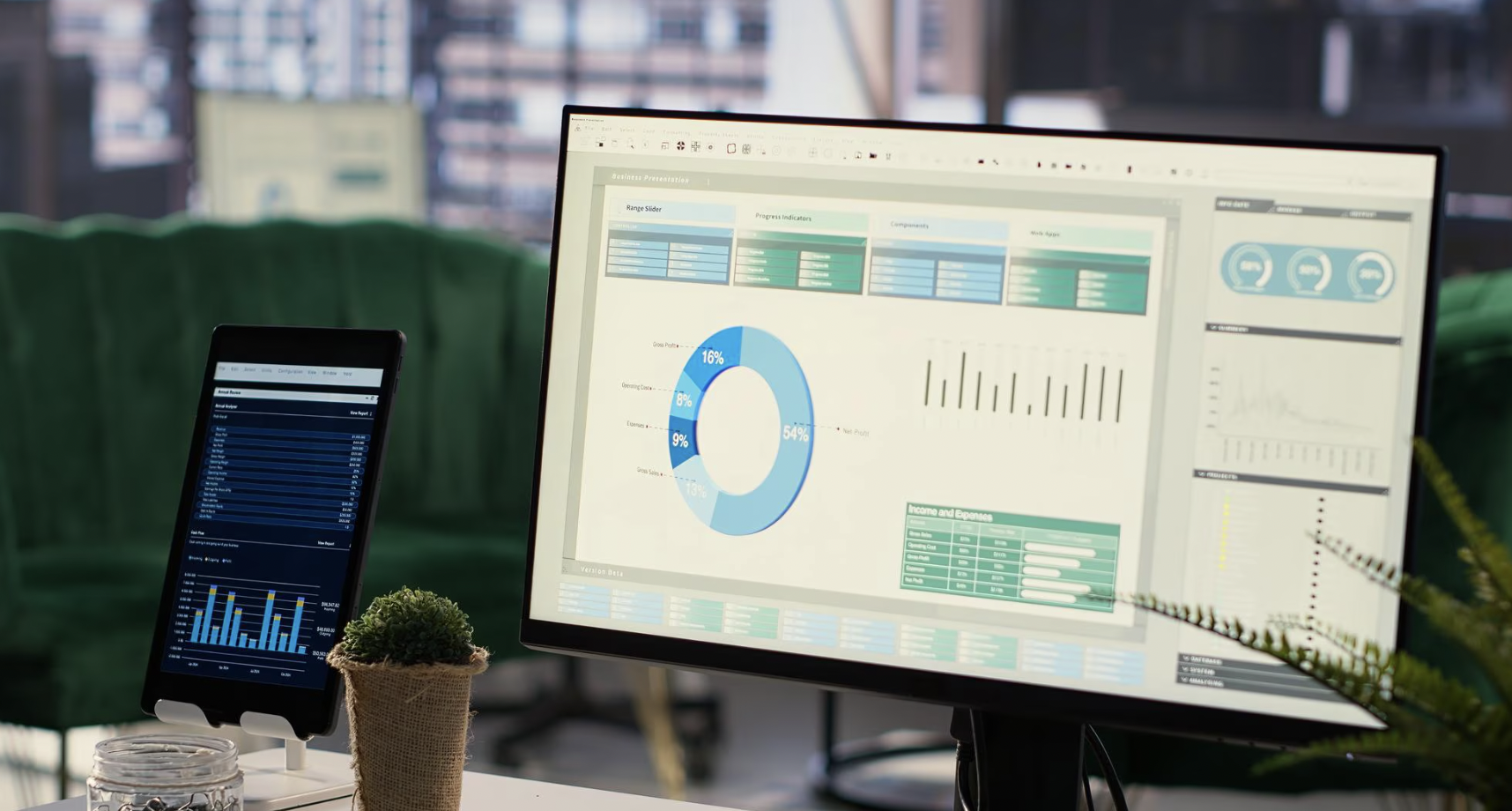
These applications generate detailed financial statements ranging from income analyses to balance sheet summaries and cash position reports. Interactive visualizations transform numerical data into understandable graphics that highlight trends, patterns, and potential concerns. Business owners without formal accounting education can grasp their financial standing through these intuitive presentations.
Seamless Third-Party Connections
Modern accounting platforms communicate effortlessly with numerous business applications including payment gateways, inventory trackers, point of-sale systems, and customer databases. This interconnected ecosystem allows information to flow naturally between programs, eliminating redundant data entry and reducing errors that occur when transferring information manually.
Protecting Sensitive Financial Information
Security considerations take center stage in cloud accounting development. Service providers implement multiple protective layers including advanced encryption protocols that render intercepted data unreadable to unauthorized parties. Authentication systems require verification through multiple methods such as passwords combined with mobile device confirmations or biometric scans.
Professional security teams continuously monitor these platforms for suspicious activities and potential threats. Regular penetration testing simulates attack scenarios to identify weaknesses before malicious actors can exploit them. These proactive measures provide protection levels that exceed what individual businesses could reasonably implement on their own.
Automatic data preservation creates redundant copies stored across geographically dispersed facilities. Should natural disasters, equipment failures, or other catastrophes affect one location, complete financial records remain intact and accessible through alternative systems.
Navigating Platform Selection
Identifying the optimal cloud accounting solution demands careful assessment of organizational requirements and available options. Evaluate factors including user capacity, transaction volumes, reporting needs, regulatory compliance demands, and budget constraints. Industry specific features may prove crucial for businesses in specialized sectors like construction, retail, or professional services.
Most providers offer demonstration periods allowing hands on exploration before financial commitment. During trials, assess the learning curve, support responsiveness, and whether the interface aligns with your team’s technical comfort level. The ideal platform should simplify rather than complicate daily financial tasks.
Embracing the Future of Finance
Cloud based accounting software has matured into an essential business component in 2026, offering capabilities that were unimaginable just years ago. These platforms provide the flexibility, security, and analytical power necessary for thriving in today’s fast paced commercial environment. Organizations that adopt these technologies gain significant advantages in operational efficiency, financial visibility, and strategic agility. As we progress further into the digital era, cloud accounting will continue evolving, introducing even more sophisticated features that further simplify financial management for businesses worldwide.