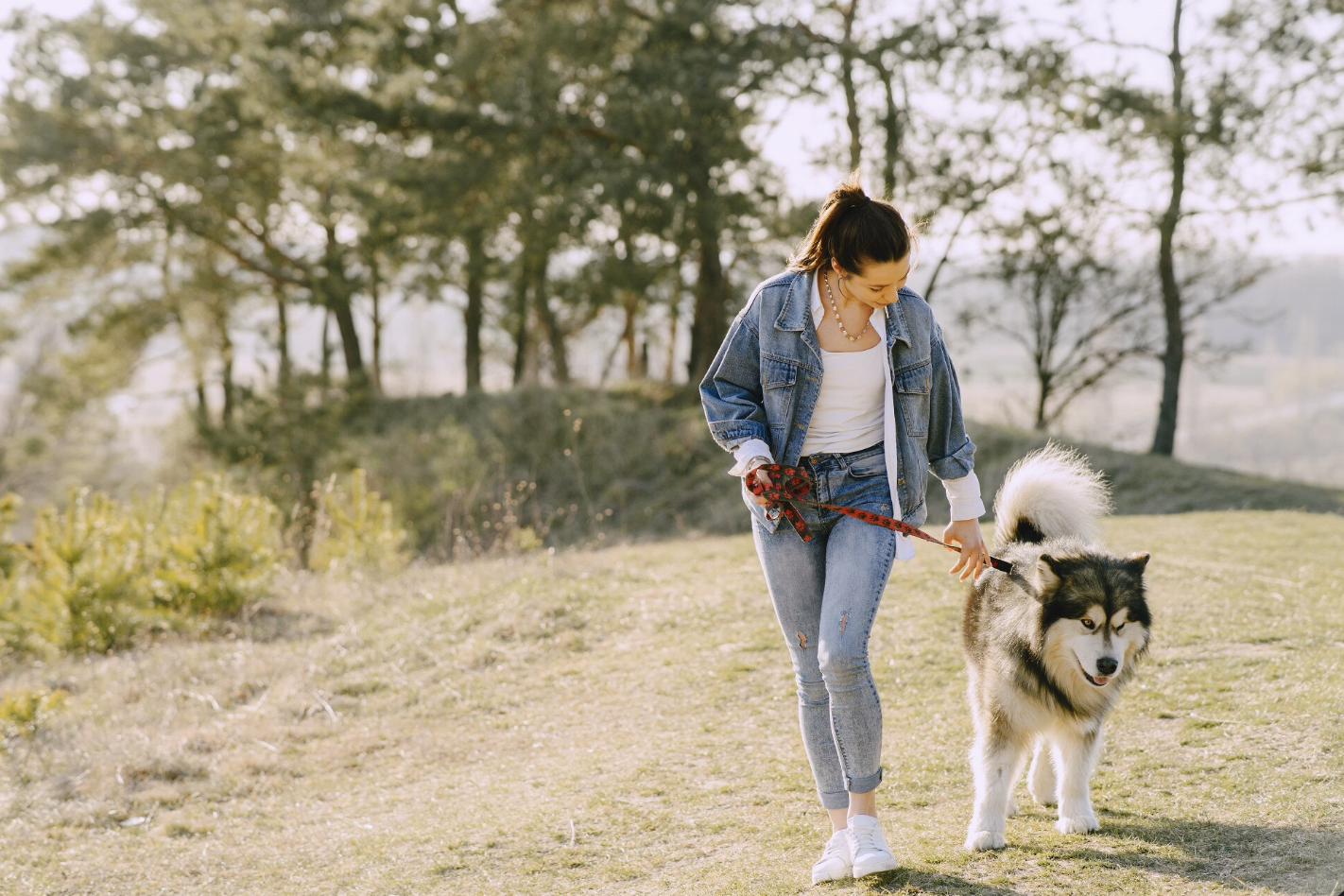
Walking your dog might seem as simple as clipping on a leash and heading out the door, but anyone who’s been yanked halfway down the block by an overly enthusiastic Labrador knows there’s an art to it. Dog walking is both an exercise routine and a communication exercise between you and your furry friend part training, part bonding, and part bliss. Whether you’ve just adopted your first pup or want to refine your daily strolls, understanding how to walk your dog the right way transforms each outing from a tug-of-war into a joyful adventure.
Why Proper Dog Walking Matters
A good walk provides more than physical exercise; it offers mental stimulation and emotional fulfillment. Dogs explore the world through scent, sound, and movement. When you lead a walk correctly, you help your dog burn energy, reduce boredom-driven misbehavior, and strengthen trust. A poorly managed walk, on the other hand, can encourage pulling, leash aggression, and frustration for both of you.
Think of every walk as your dog’s daily headline edition: new smells, new sights, and new gossip from the neighborhood hydrants. Proper walking technique ensures those “news updates” come in a calm, controlled format instead of chaotic breaking news.
1. Start with the Right Gear
Before setting paw outside, invest in comfortable, secure equipment. For most dogs, a well-fitted harness is more humane and provides better control than a collar. It prevents choking and discourages pulling by distributing pressure across the chest rather than the neck. Pair it with a sturdy, non-retractable leash preferably about 4–6 feet long for consistent control and easy communication.
Avoid gadgets that promise “instant leash corrections.” Gentle, consistent guidance works better long-term than force-based tools. If you’re training a puppy or a strong puller, a front-clip harness can help redirect their momentum back toward you. Bonus tip, Use reflective gear or attach a small LED light to stay visible and safe during nighttime walks.
2. Set the Right Mindset Before You Step Out
Before opening the door, let your dog sit calmly and wait for your cue. This tiny pause reminds them you are leading the adventure. Excited energy at the doorway often translates into overexcitement on the leash. Calm beginnings make for smoother walks.
Once outside, walk first with purpose and confidence dogs instinctively follow steady, reliable guidance. They’ll look to you for cues on when to move, stop, and explore.
3. Maintain a Balanced Pace
Your walk should balance structured walking and free sniffing. The structured part teaches self-control and focus—having your dog walk beside or just behind you on a loose leash. But don’t forget the joy of being a dog! Dedicate parts of the route for sniffing, exploring, and, yes, the all-important “pee-mail” checking.
Allowing sniff breaks isn’t spoiling your dog; it’s mental exercise. Think of it as letting them browse their favorite social media feed—but with way more grass.
4. Teach Loose-Leash Walking
Pulling is the most common beginner frustration. When your dog pulls, stop moving. Pause and wait for your dog to stop pulling or look back before moving forward again. This simple “pause” technique teaches that forward motion only happens when the leash is slack.
Stay patient. Consistency beats intensity. After a few walks, your dog will start checking your pace and adjusting naturally. Reward calm walking every glance back at you deserves gentle praise or a small treat.
5. Keep Walks Safe and Enriching
Choose routes with manageable distractions at first. As your dog’s training improves, gradually introduce busier settings. Always watch for environmental hazards hot pavement, sharp objects, toxic plants, or aggressive off-leash animals. Carry a poop bag or two as well: responsible walking keeps your community clean (and your conscience lighter).
Rotate your walking routes occasionally. New environments prevent boredom and stimulate your dog’s brain. Varying the terrain parks, sidewalks, trails keeps those four paws and that curious nose happy.
6. End on a Positive Note
Return home calmly. Encourage your dog to sit or lie down before removing the harness. This signals that the walk is concluded and reinforces calm behavior. Offer water, a pat, or a gentle word of praise. Consistent closure cues make future walks smoother.
7. Troubleshooting Common Challenges
- Excess pulling: Slow down, change direction unexpectedly, or imagine you’re a slightly unpredictable dance partner. Your dog will soon watch your moves.
- Lunging at other dogs: Create distance and redirect attention to you with a cheerful tone. Reward calmness, not barking.
- Easily distracted pup: Use high-value treats and short training intervals. “Watch me” or “heel” games keep focus fun.
Final Thoughts
Dog walking isn’t simply a chore; it’s a daily opportunity to nurture friendship and trust. When done properly, those 20–30 minutes of walking give physical fitness, emotional peace, and shared happiness for both you and your canine. Start with the right mindset, gear, and consistency, and soon your dog will stroll proudly beside you like a well-behaved parade marshal (minus the baton).
Mastering how to walk your dog the right way turns ordinary outings into bonding rituals filled with tail wags and contented sighs and a little cardio for you, too.