Emergencies often arrive without warning. Therefore, preparation becomes a powerful form of protection. Every home faces risks from accidents, illness, or natural events. Because of this, practical life saving skills matter greatly. Each family member should feel confident acting during critical moments. With the right knowledge, fear reduces and safety improves. This guide shares vital household survival skills everyone should master.
Fire Safety Skills That Protect Lives
Fires spread quickly and leave little reaction time. For that reason, fire safety education is essential at home. Every person should learn how to use a fire extinguisher correctly. Likewise, all exits and escape routes must remain familiar. Clear plans reduce panic and support faster decisions. Installing smoke alarms on every level of the house helps ensure early detection. Moreover, monthly testing keeps devices reliable. Family fire drills strengthen memory and response speed. As a result, everyone exits calmly during real emergencies.
CPR and First Aid Knowledge for Immediate Action
Cardiac emergencies demand instant response. Therefore, CPR training becomes a life saving priority. Proper CPR can maintain circulation until professionals arrive. Basic first aid also helps manage injuries effectively. For example, bleeding control and choking relief prevent complications. Hands on training builds confidence and accuracy. Courses like MyCPR NOW First Aid Certification offer practical instruction. Regular refreshers keep skills sharp over time. Consequently, families react faster when seconds truly matter.
Emergency Contact Readiness at All Times
Quick communication saves valuable minutes. Thus, emergency numbers must remain easily accessible. Every member should memorize local emergency service contacts. Alternatively, written lists should stay visible around the house. Important numbers include doctors, neighbors, and close relatives. Phones should store contacts clearly labeled. During stress, simple access prevents delays. As a result, help reaches the scene faster.
Water Safety Awareness Inside and Outside the Home
Water accidents happen silently and rapidly. Therefore, swimming skills remain essential for all ages. Learning CPR strengthens water emergency preparedness. Supervision rules reduce risks around pools and open water. Rescue methods should avoid entering dangerous water. Instead, reaching or throwing objects works safer. Pool fences and flotation devices add protection. Together, these measures significantly reduce drowning risks.
Severe Weather Preparedness for Every Season
Extreme weather can strike unexpectedly. For that reason, families must stay informed and ready. Weather alerts provide crucial advance warnings. Emergency kits should include water, flashlights, and supplies. First aid items deserve regular inspection. Family emergency plans need frequent reviews. Clear meeting points prevent confusion during evacuations. Preparation improves response during storms, floods, and tornadoes.
Medication and Allergy Response Skills
Medical emergencies require precise action. Therefore, families must understand existing health conditions. Allergy awareness helps prevent severe reactions. Medications should remain organized and labeled. Everyone should know proper usage instructions. Epinephrine injectors require confident handling. Likewise, insulin management demands accuracy. Expiration dates need regular checks. Updated supplies ensure readiness at all times.
Home Safety Habits That Reduce Daily Risks
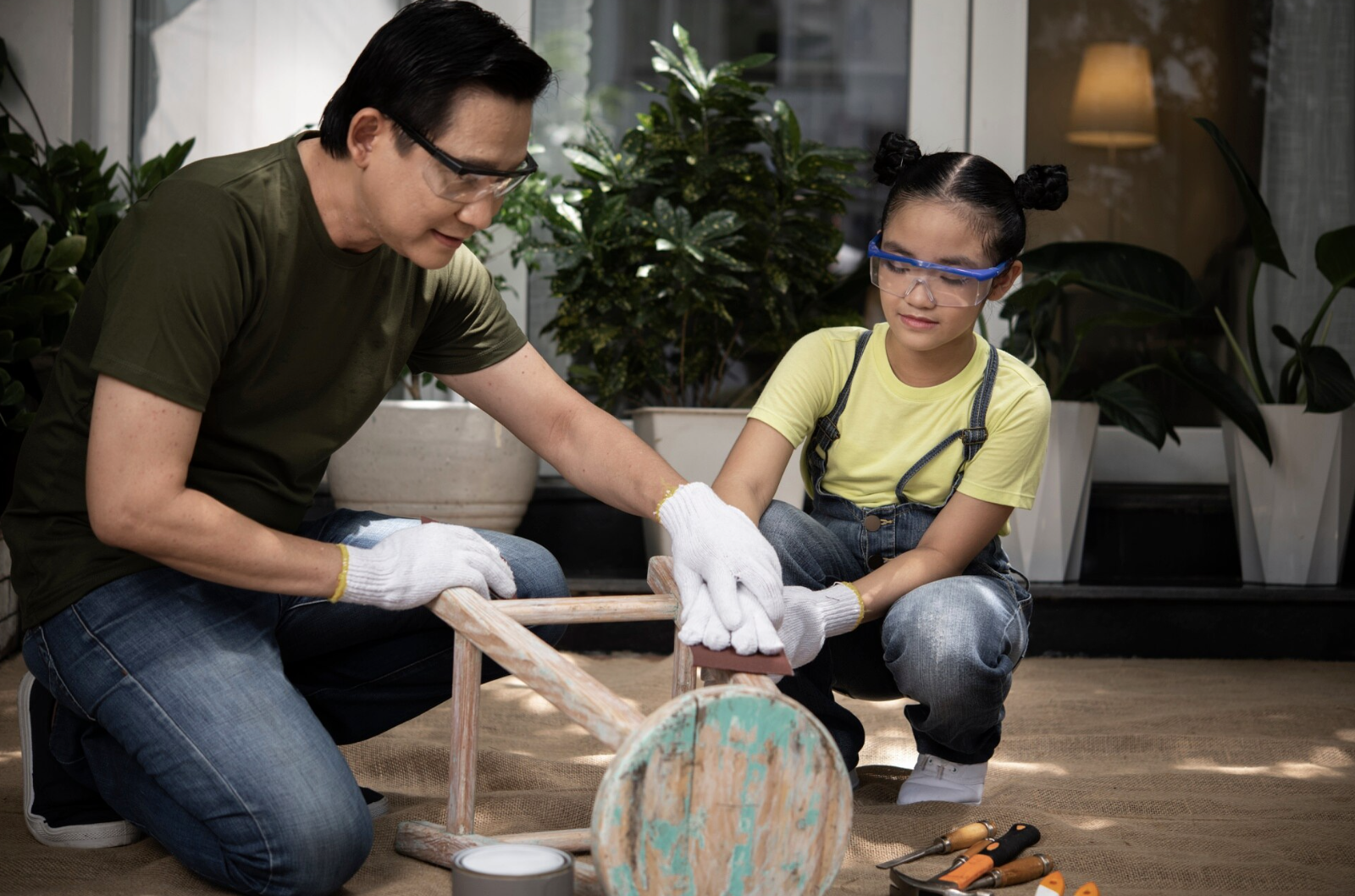
Small habits prevent major accidents. For instance, keeping walkways clear avoids falls. Childproofing protects younger family members. Electrical safety reduces fire hazards. Sharp objects should stay properly stored. Tool safety training benefits adults and teens. Regular inspections catch risks early. As a result, everyday living becomes safer.
Mental Readiness During Emergencies
Calm thinking improves decision making. Therefore, mental preparedness deserves attention. Practice scenarios build emotional control. Clear roles reduce confusion during crises. Encouragement strengthens teamwork under pressure. Confidence grows with consistent learning. Ultimately, mental readiness saves lives, too.
Why Life Saving Skills Strengthen Household Safety
Prepared families respond with clarity. Consequently, risks decrease significantly. Shared skills build trust among members. Emergency response becomes faster and more effective. Knowledge replaces panic with purpose. Safety tools work best when skills support them. Consistent practice reinforces confidence. Together, preparation creates a resilient household.
Building a Safer Home Through Knowledge
Every skill learned adds protection. Therefore, continuous learning remains essential. CPR, fire safety, and preparedness work together. Emergency contacts support fast coordination. Medical awareness prevents complications. Water and weather safety reduce common hazards. Through preparation, families protect what matters most. A skilled household stands ready for any challenge.
Lakisha Davis is a dedicated tech enthusiast with a deep passion for innovation and digital transformation. Leveraging her extensive expertise in software development and her keen fascination with emerging technology trends, she is committed to making technology approachable, inclusive, and easy to understand for everyone.
Related Posts
 March 2, 2026
 February 28, 2026
 February 23, 2026

 Next Article