We are living in an age where smart devices are no longer optional luxuries but essential components of modern life. From homes and workplaces to healthcare and transportation, intelligent devices have reshaped how we interact with technology and the world around us. These devices combine advanced sensors, artificial intelligence, connectivity, and automation to deliver seamless, efficient, and personalized experiences.
Smart devices are designed to learn, adapt, and respond to user behavior, making daily tasks simpler, faster, and more efficient. As global adoption accelerates, understanding their capabilities and impact is critical for staying competitive in a rapidly evolving digital environment.
What Defines a Smart Device
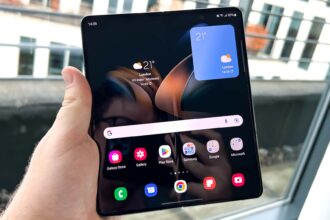
A smart device is any electronic system capable of connecting to the internet, collecting data, processing information, and performing actions autonomously or semi-autonomously. These devices rely on IoT (Internet of Things) frameworks, enabling real-time communication between hardware, software, and users.
Key characteristics include:
-
Connectivity through Wi-Fi, Bluetooth, or cellular networks
-
Automation powered by AI and machine learning
-
Data-driven intelligence for predictive decision-making
-
Remote control and monitoring via mobile or web applications
This combination allows smart devices to operate efficiently while continuously improving performance.
Smart Home Devices: Redefining Comfort and Security
Smart Lighting Systems
Smart lighting offers energy efficiency and customization unmatched by traditional solutions. Users can schedule lighting, adjust brightness, and control color temperature remotely. These systems reduce energy consumption while enhancing ambiance and comfort.
Smart Thermostats
Intelligent thermostats learn user preferences and automatically optimize temperature settings. By analyzing usage patterns and environmental data, they significantly lower energy costs while maintaining comfort.
Smart Security Devices
From smart locks to AI-powered surveillance cameras, smart security devices provide real-time monitoring, instant alerts, and remote access control. Facial recognition, motion detection, and cloud-based storage enhance safety and peace of mind.
Wearable Smart Devices and Personal Health
Smartwatches and Fitness Trackers
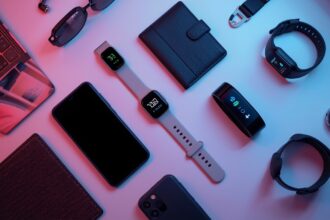
Wearable technology has revolutionized personal health management. Smartwatches track heart rate, sleep patterns, physical activity, and stress levels, offering actionable insights for healthier lifestyles.
Medical Smart Devices
In healthcare, smart medical devices enable remote patient monitoring, early diagnosis, and real-time data sharing with healthcare professionals. These innovations improve treatment accuracy and reduce hospital visits.
Smart Devices in Business and Industry
Smart Office Technology
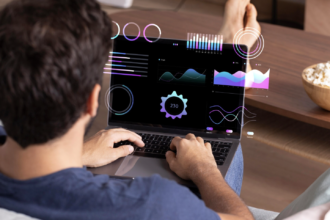
Businesses leverage smart office devices to enhance productivity, reduce costs, and improve employee well-being. Automated lighting, climate control, and smart meeting systems create efficient work environments.
Industrial Smart Devices
In manufacturing and logistics, industrial smart devices enable predictive maintenance, supply chain optimization, and real-time performance tracking. Sensors and analytics minimize downtime and maximize operational efficiency.
Artificial Intelligence and Smart Device Intelligence
The true power of smart devices lies in artificial intelligence. AI enables devices to analyze vast amounts of data, recognize patterns, and make informed decisions. Machine learning algorithms allow continuous improvement without manual intervention.
Voice assistants, recommendation systems, and automated workflows demonstrate how AI-driven smart devices deliver personalized and intuitive experiences across platforms.
Connectivity and the Internet of Things Ecosystem
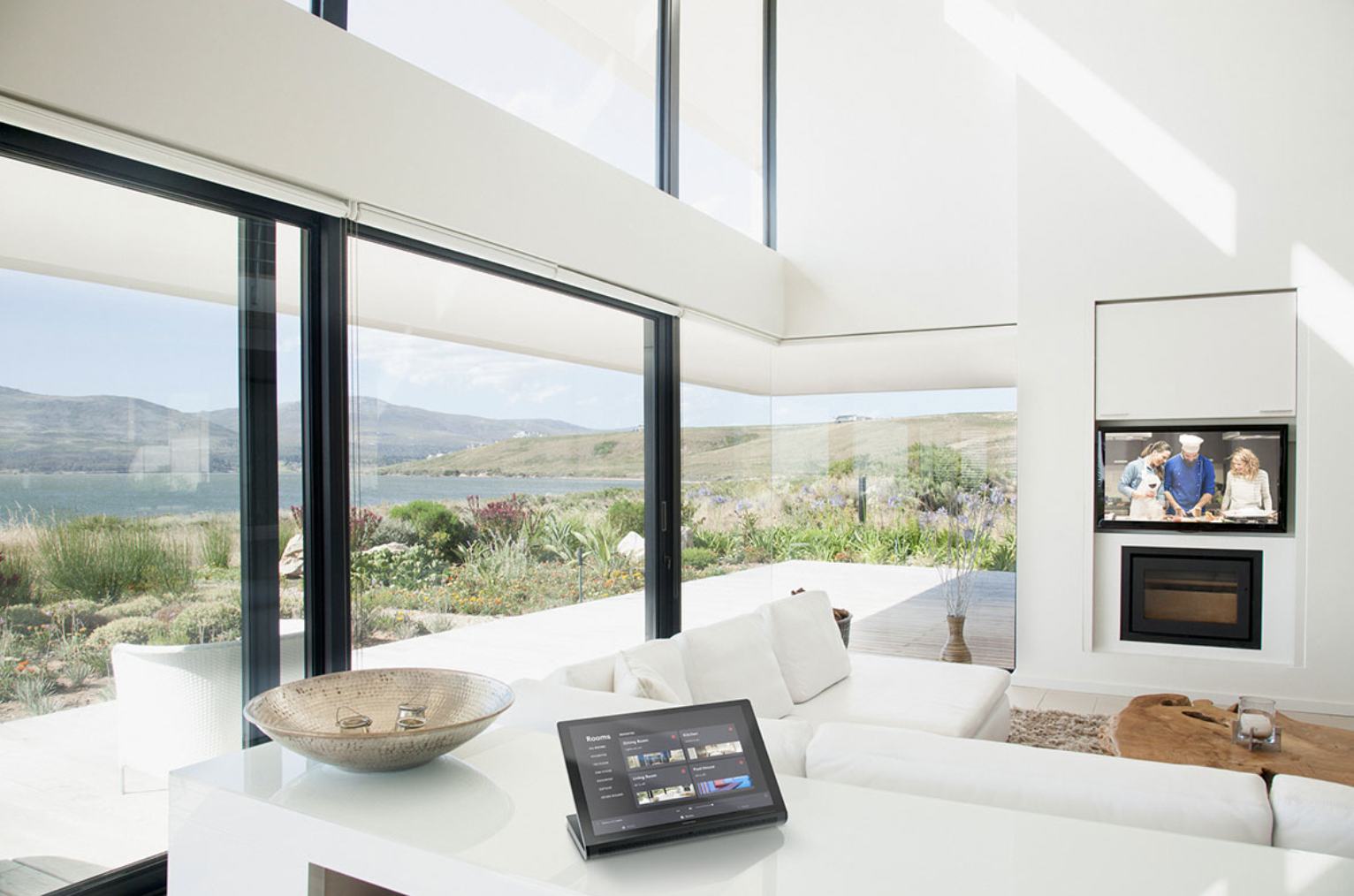
IoT ecosystems connect multiple smart devices into a unified network. This interoperability allows devices to communicate seamlessly, creating synchronized environments. For example, a smart home system can link lighting, security, climate, and entertainment into a single control hub.
With the expansion of 5G networks, smart devices benefit from faster data transmission, lower latency, and enhanced reliability, enabling more advanced applications and real-time responsiveness.
Data Privacy and Security in Smart Devices
As smart devices collect extensive data, privacy and cybersecurity are paramount. Manufacturers now integrate encryption, secure authentication, and regular software updates to protect user information.
Best practices include:
-
Using strong passwords and multi-factor authentication
-
Keeping firmware and applications updated
-
Choosing reputable brands with transparent security policies
Secure smart devices build trust and ensure long-term usability.
Energy Efficiency and Sustainability Benefits
Smart devices play a critical role in sustainable living. Energy monitoring systems, automated power management, and efficient resource usage reduce environmental impact. Smart grids and energy-efficient appliances contribute to global sustainability goals while lowering utility costs.
Future Trends in Smart Devices
The future of smart devices is driven by edge computing, advanced AI, and greater interoperability. Devices will become more autonomous, context-aware, and human-centric. Emerging trends include:
-
Smart cities with connected infrastructure
-
AI-powered personal assistants with emotional intelligence
-
Autonomous smart vehicles and transportation systems
-
Next-generation healthcare devices for proactive care
These advancements will further integrate technology into everyday life.
Why Smart Devices Are Essential for the Future
Smart devices empower individuals and organizations to operate more efficiently, securely, and intelligently. They enhance convenience, improve decision-making, and create adaptive environments tailored to user needs. As digital transformation accelerates, embracing smart devices is essential for staying relevant and competitive.
Conclusion: Embracing the Smart Device Revolution
We stand at the forefront of a technological revolution where smart devices redefine how we live, work, and interact. Their ability to connect, learn, and adapt makes them indispensable tools in the modern world. By integrating intelligent technology thoughtfully and securely, we unlock unprecedented levels of efficiency, comfort, and innovation.
The smart device ecosystem will continue to evolve, offering limitless possibilities for those ready to embrace the future of intelligent living.