Touchscreen devices have transformed how people interact with technology. These devices provide fast responses and intuitive controls. As a result, they have become essential in modern digital life. Their influence continues to grow as innovation improves their performance and features.
What Are Touchscreen Devices?
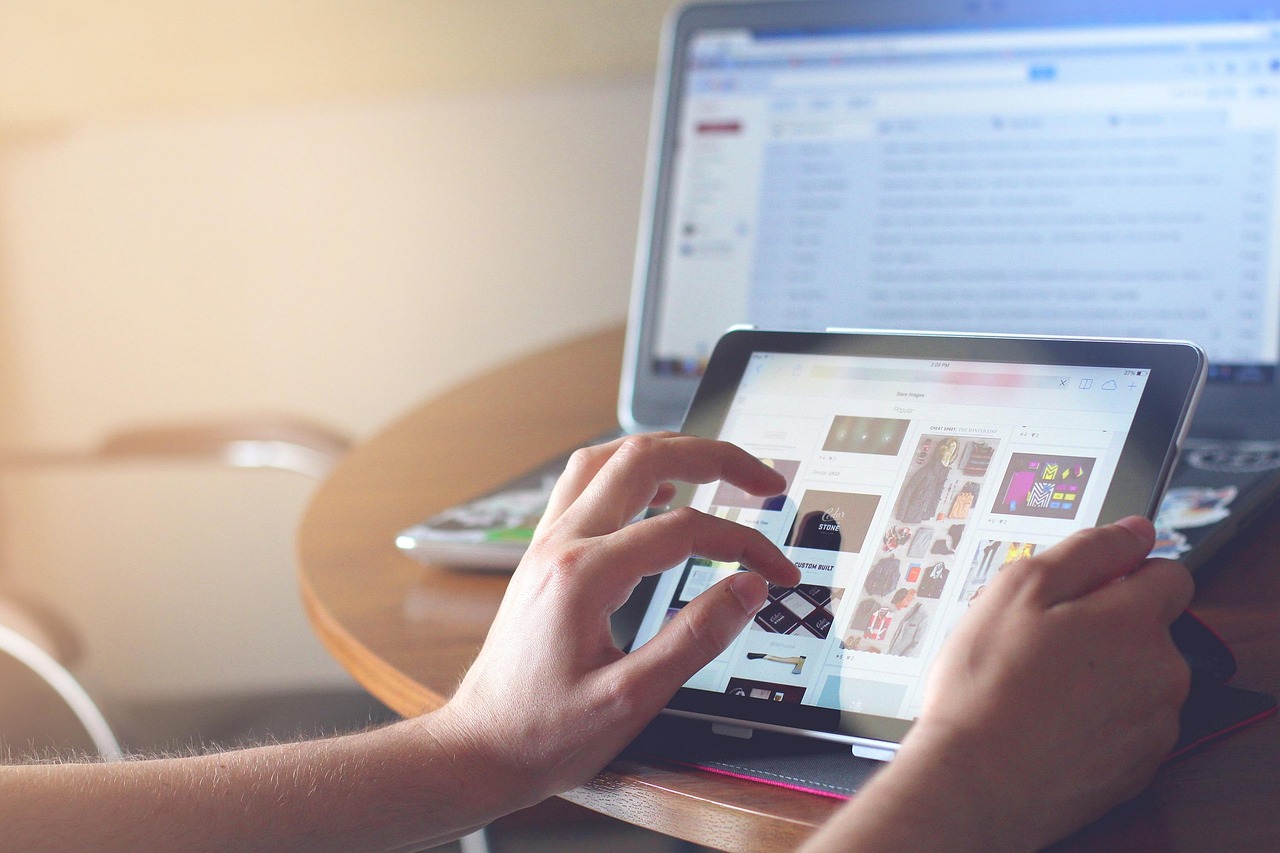
Touchscreen devices allow users to operate digital screens through direct touch. They remove the need for a physical keyboard or mouse. This technology offers a smooth interface that enhances user experience. Smartphones, tablets, kiosks, and smart appliances all rely on touch-based controls.
Types of Touchscreen Technology
Different touchscreen systems offer unique benefits. Each type supports specific user needs and environments.
1. Resistive Touchscreens
Resistive touchscreens use two flexible layers. A touch creates electrical contact. These screens work with fingers, pens, or gloves. They provide accuracy, making them useful in industrial settings. However, they offer less clarity than other options.
2. Capacitive Touchscreens
Capacitive screens detect touch through electrical signals. These screens support multi-touch gestures. They deliver sharp visuals and quick responses. Most modern smartphones use this technology because of its smooth performance.
3. Infrared Touchscreens
Infrared touchscreens use light beams across the surface. A touch interrupts the beam. These screens offer high durability. They suit kiosks, ATMs, and large displays.
4. Optical Touchscreens
Optical systems use sensors to track finger movement. They work well on large screens. These touchscreens provide strong accuracy and long-lasting performance.
Benefits of Touchscreen Devices
Touchscreen devices provide several advantages that enhance digital interactions.
Easy Navigation
Touch controls make navigation simple. Users can tap, swipe, or zoom with ease. This system reduces learning time for new users.
Faster Input
Touchscreens allow quick actions. Users do not need a mouse or keyboard. This improves efficiency in daily tasks.
Enhanced User Experience
Touch devices offer smooth animations and interactive screens. These features keep users engaged and comfortable.
Space-Saving Design
Touchscreens combine display and input into one panel. This reduces clutter and creates sleek designs.
Accessibility Features
Touch gestures help people with disabilities. Voice commands and large icons add extra support.
Common Uses of Touchscreen Devices
Touchscreen technology is now part of many industries. Its flexibility increases productivity and user engagement.
Smartphones and Tablets
These devices rely completely on touch. Users enjoy fast controls, multimedia functions, and easy apps.
Retail and Self-Service Kiosks
Touchscreen kiosks help customers complete tasks quickly. They support checkouts, ticketing, and ordering.
Education Tools
Schools use tablets and smart boards. These devices improve student participation and visual learning.
Healthcare Equipment
Hospitals use touchscreen monitors for patient records and diagnostics. These systems speed up decisions and reduce errors.
Automotive Displays
Modern cars include touch panels for navigation and control. These systems offer safer and more intuitive use.
Future of Touchscreen Technology
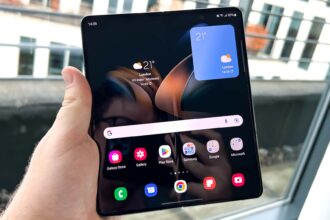
Touchscreen innovation continues to expand. Manufacturers aim to increase accuracy and responsiveness. Foldable and flexible screens are gaining popularity. Haptic feedback adds more realistic touch sensations. AI integration will further enhance personalized experiences.
Conclusion
Touchscreen devices continue to shape the digital world. Their simple controls and advanced features improve productivity and comfort. As technology evolves, touchscreen systems will become even more powerful. They will remain a vital part of everyday life and future innovation.