
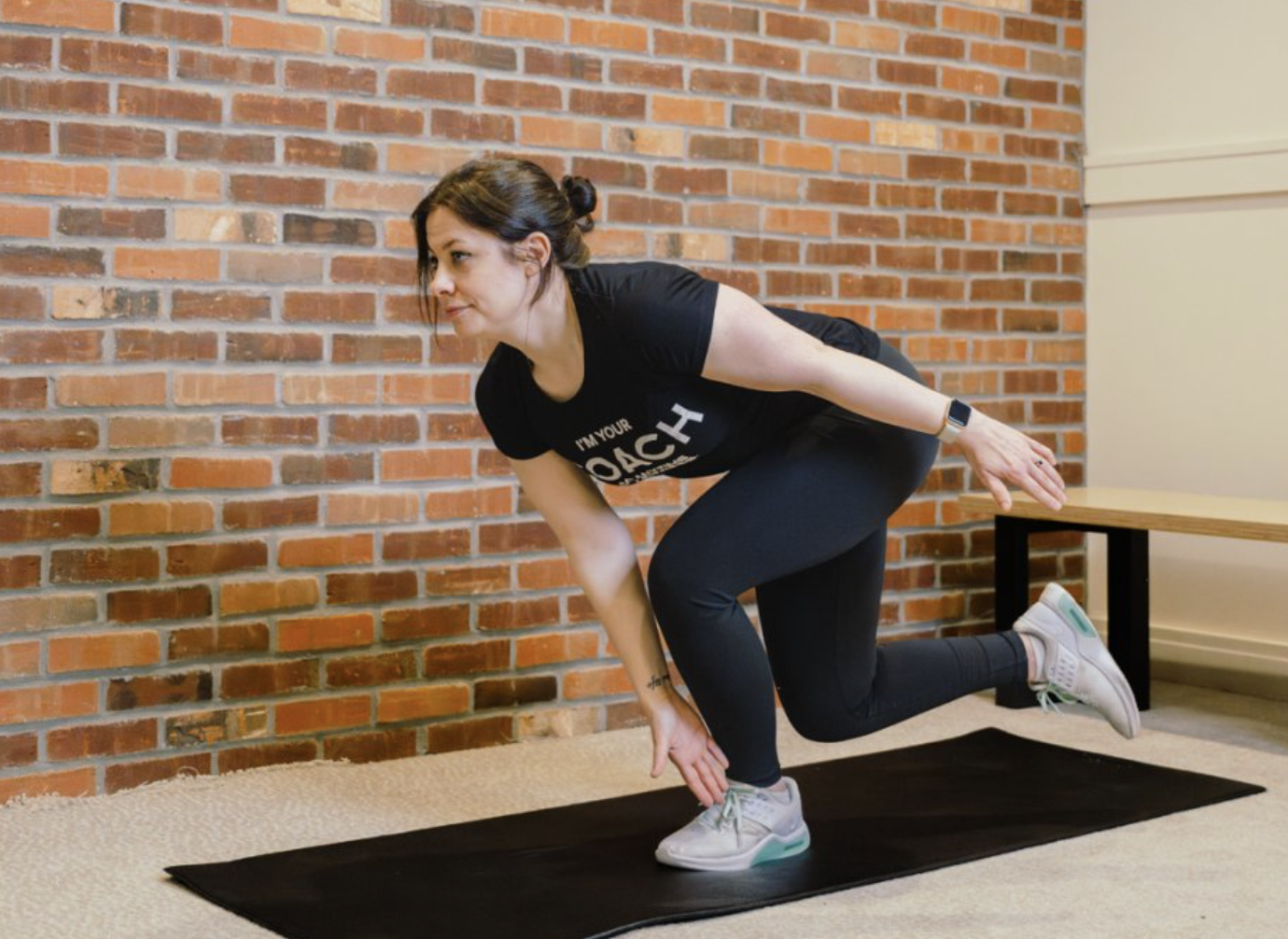
Starting a fitness journey can feel overwhelming, especially if you have never exercised regularly before. Many people believe they need a gym membership, expensive equipment, or a personal trainer to get fit. The truth is that you can build strength, improve endurance, and boost your overall health from the comfort of your home.
Home workouts are ideal for beginners because they are convenient, affordable, and easy to follow. With just a small amount of space and a willingness to stay consistent, you can achieve impressive results. The key is choosing simple exercises that work multiple muscle groups while helping your body adapt safely to physical activity.
This guide covers the best exercises for beginners at home. These movements require little to no equipment and can help you establish a solid fitness foundation while improving your confidence and energy levels.
Why Home Workouts Are Great for Beginners
Home workouts offer several advantages that make them perfect for people just starting their fitness journey.
According to the World Health Organization, regular physical activity can help improve heart health, strengthen muscles, and reduce the risk of chronic diseases.
Convenience and Flexibility
You can exercise whenever it fits your schedule. There is no need to travel to a gym or wait for equipment.
Cost-Effective Fitness
Most beginner exercises require only your body weight. This means you can start improving your fitness without spending money on expensive equipment.
Comfortable Environment
Many beginners feel intimidated in gym settings. Exercising at home allows you to focus on learning proper techniques without distractions.
Easy to Build Consistency
When exercise is easily accessible, it becomes easier to stick with your routine and develop healthy habits.
How to Prepare Before Exercising
Preparation is important for getting the best results and avoiding injuries.
Wear Comfortable Clothing
Choose clothes that allow free movement and help you stay comfortable during exercise.
Drink Enough Water
Hydration supports energy levels, muscle function, and recovery.
Create a Safe Workout Space
Remove obstacles and ensure you have enough room to move comfortably.
Warm Up Your Body
Spend five minutes warming up before every workout. Simple movements such as marching in place, arm circles, and leg swings help prepare your muscles for exercise.
Exercise 1: Bodyweight Squats
Bodyweight squats are one of the most effective exercises for beginners.
Benefits of Bodyweight Squats
Squats strengthen the legs, glutes, and core while improving balance and mobility. They also help make everyday movements like sitting and standing easier.
How to Perform a Bodyweight Squat
Stand with your feet shoulder-width apart. Keep your chest lifted and your back straight. Lower your hips as if sitting in a chair, then return to a standing position.
Recommended Repetitions
Perform 10 to 15 repetitions for two or three sets.
Exercise 2: Wall Push-Ups
Wall push-ups are an excellent introduction to upper-body training.
Benefits of Wall Push-Ups
This exercise strengthens the chest, shoulders, and arms while placing less stress on the joints than traditional push-ups.
How to Perform Wall Push-Ups
Stand facing a wall and place your hands on it at shoulder height. Bend your elbows to bring your body toward the wall, then push yourself back.
Recommended Repetitions
Complete 10 to 12 repetitions for two or three sets.
Exercise 3: Glute Bridges
Glute bridges strengthen important muscles that support posture and movement.
Benefits of Glute Bridges
They target the glutes, hamstrings, and lower back while improving core stability.
How to Perform Glute Bridges
Lie on your back with your knees bent. Press your feet into the floor and lift your hips upward. Hold briefly before lowering slowly.
Recommended Repetitions
Perform 12 to 15 repetitions for three sets.
Exercise 4: Marching in Place
Marching in place is a simple cardiovascular exercise suitable for all fitness levels.
Benefits of Marching in Place
This movement increases heart rate, improves coordination, and helps burn calories.
How to Perform Marching in Place
Stand upright and lift your knees alternately while swinging your arms naturally.
Recommended Duration
Continue for two to five minutes.
Exercise 5: Bird-Dog
The bird-dog exercise improves balance and core strength.
Benefits of Bird-Dog
It helps strengthen the lower back, abdominal muscles, and stabilizing muscles throughout the body.
How to Perform Bird-Dog
Start on your hands and knees. Extend one arm forward and the opposite leg backward. Return to the starting position and switch sides.
Recommended Repetitions
Perform 10 repetitions on each side.
Exercise 6: Standing Knee Raises
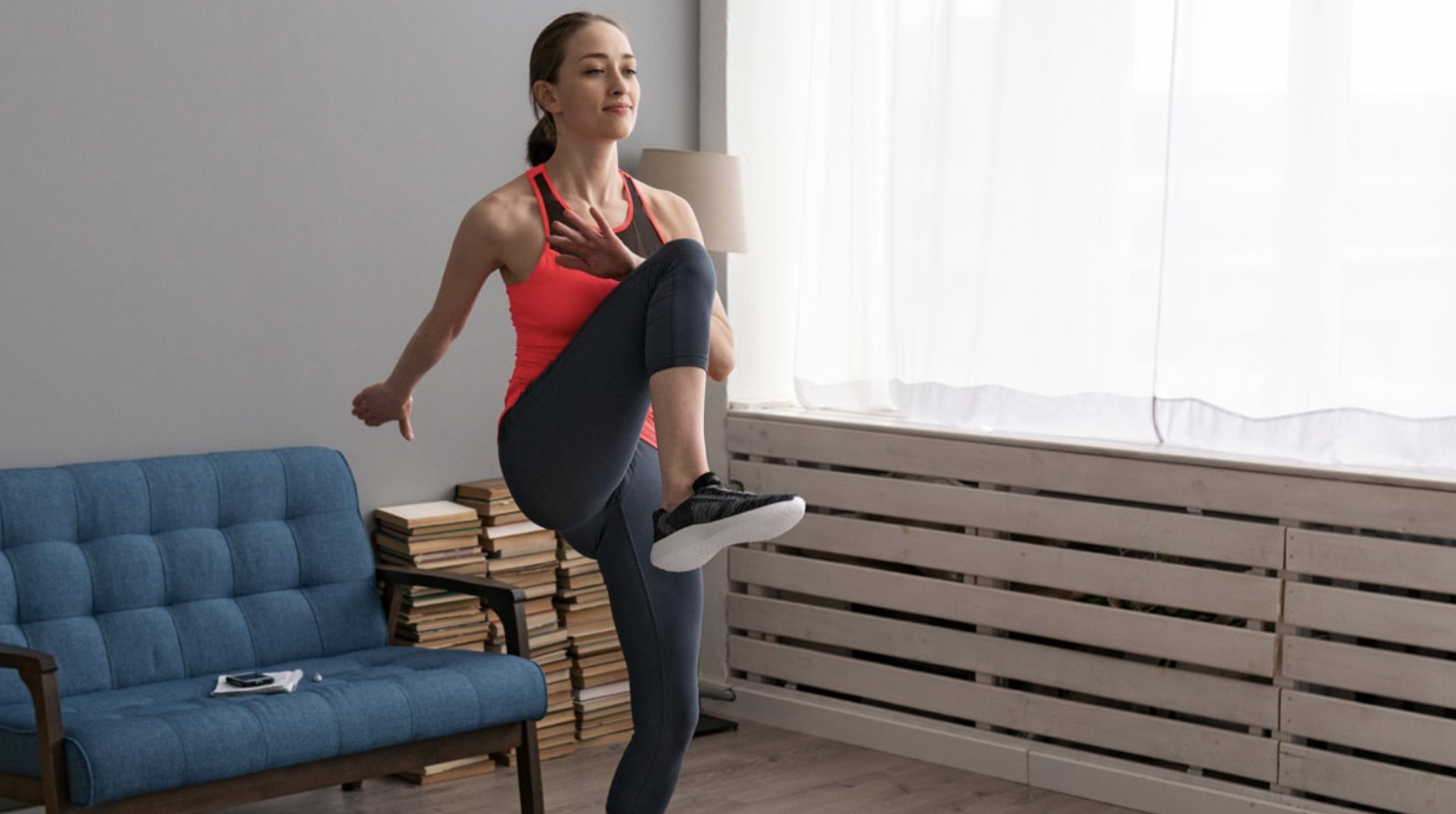
Standing knee raises are simple but highly effective.
Benefits of Standing Knee Raises
They strengthen the abdominal muscles and improve balance and coordination.
How to Perform Standing Knee Raises
Stand tall and lift one knee toward your chest. Lower it slowly and repeat on the opposite side.
Recommended Repetitions
Perform 15 repetitions on each leg.
Exercise 7: Step-Ups
Step-ups provide a functional lower-body workout.
Benefits of Step-Ups
They improve leg strength, endurance, and balance while mimicking everyday activities like climbing stairs.
How to Perform Step-Ups
Use a sturdy step or staircase. Step up with one foot, bring the other foot up, and then step back down.
Recommended Repetitions
Perform 10 to 12 repetitions per leg.
Exercise 8: Plank Hold
The plank is one of the best exercises for developing core strength.
Benefits of the Plank
Planks improve posture, stability, and overall body control.
How to Perform a Plank
Support yourself on your forearms and toes while maintaining a straight, stable body position.
Recommended Duration
If you’re new to the exercise, aim for 15 to 20 seconds at first and increase the time little by little.
Exercise 9: Jumping Jacks
Jumping jacks are a classic full-body cardio exercise.
Benefits of Jumping Jacks
They improve cardiovascular fitness, coordination, and calorie burning.
How to Perform Jumping Jacks
Jump your feet apart while raising your arms overhead, then return to the starting position.
Recommended Duration
Perform for 30 to 60 seconds.
Exercise 10: Chair Dips
Chair dips strengthen the upper body using a household chair.
Benefits of Chair Dips
They target the triceps, shoulders, and chest while improving upper-body endurance.
How to Perform Chair Dips
Place your hands on the edge of a sturdy chair. Slide forward and lower your body slightly before pushing back up.
Recommended Repetitions
Perform 8 to 12 repetitions.
Sample Beginner Home Workout Routine
A simple routine can help you combine these exercises effectively.
Warm-Up
- Marching in place for 2 minutes
- Arm circles for 1 minute
- Shoulder rolls for 1 minute
- Leg swings for 1 minute
Main Workout
- Squats – 12 reps
- Wall Push-Ups – 10 reps
- Glute Bridges – 15 reps
- Bird-Dog – 10 per side
- Knee Raises – 15 per leg
- Step-Ups – 10 per leg
- Plank – 20 seconds
- Jumping Jacks – 30 seconds
- Chair Dips – 10 reps
Repeat the circuit two or three times.
Common Beginner Workout Mistakes
Avoiding mistakes can help you stay safe and achieve better results.
Skipping Warm-Ups
Cold muscles are more prone to injury.
Poor Exercise Form
Proper technique is more important than speed or repetitions.
Exercising Too Much
Your body needs time to adapt and recover.
Ignoring Recovery
Rest days are essential for muscle repair and growth.
Comparing Yourself to Others
Focus on your own progress rather than someone else’s achievements.
Nutrition Tips for Better Results
Exercise and nutrition work together to improve fitness.
For additional fitness and healthy living recommendations, readers can review the exercise and wellness resources provided by the American Heart Association.
Eat More Protein
Protein supports muscle recovery and growth.
Choose Whole Foods
Fruits, vegetables, whole grains, and lean proteins provide essential nutrients.
Limit Sugary Foods
Reducing processed foods can help maintain healthy energy levels.
Stay Hydrated
Drinking enough water supports performance and recovery.
How to Stay Motivated
Consistency is often the biggest challenge for beginners.
Set Realistic Goals
Start with achievable targets and gradually increase difficulty.
Track Your Progress
Record workouts, repetitions, and improvements.
Create a Schedule
Treat workouts as important appointments.
Celebrate Small Successes
Recognizing progress helps maintain motivation over time.
Creating a consistent workout schedule becomes much easier when you start your day with positive habits. Learn how to structure your mornings with our detailed guide on How to Create the Perfect Morning Routine for All Day Energy.
Conclusion
The best exercises for beginners at home are simple, effective, and accessible to everyone. You don’t need an expensive gym membership or fancy equipment to start living a healthier lifestyle. By incorporating squats, wall push-ups, glute bridges, marching in place, bird-dogs, knee raises, step-ups, planks, jumping jacks, and chair dips into your weekly routine, you can build strength, improve endurance, and increase overall fitness.
The most important factor is consistency. Small efforts repeated regularly can lead to significant improvements in physical health, energy levels, and confidence. Start with these beginner-friendly exercises, focus on proper form, and gradually challenge yourself as your fitness improves. Over time, these simple activities can help build the foundation for a healthier and more active way of life.
Frequently Asked Questions
What is the best exercise for beginners?
Bodyweight squats are often considered one of the best beginner exercises because they strengthen multiple muscle groups and improve mobility.
How often should beginners work out at home?
Most beginners should aim for three to five workouts per week, allowing rest days for recovery.
Can you get fit without joining a gym?
Yes. Consistent home workouts combined with proper nutrition can significantly improve fitness, strength, and overall health.
How long should a beginner’s workout last?
A beginner workout can last between 20 and 45 minutes, depending on fitness level and goals.
Do I need equipment for home workouts?
No. Most beginner exercises use body weight and require little or no equipment.
How long does it take to see results?
Many people notice improvements in energy, endurance, and strength within a few weeks of regular exercise.
Are home workouts effective for weight loss?
Yes. Home workouts can help burn calories and support weight loss when combined with a balanced diet.
What should I eat after a workout?
A meal containing protein and healthy carbohydrates can support muscle recovery and replenish energy.