

Students who consistently achieve excellent grades often rely on proven study strategies instead of spending endless hours rereading textbooks. One of the most effective learning methods used by high achievers is mind mapping. This visual learning technique helps students organize information, improve memory retention, and understand complex concepts more quickly.
Mind mapping transforms traditional note-taking into a structured visual system that makes studying easier and more productive. Whether preparing for exams, writing assignments, or reviewing lecture notes, students can save time and improve academic performance through effective mind mapping techniques.
In this guide, we explain how top students use mind mapping to study faster and how anyone can apply the same methods for better learning outcomes.
What Is Mind Mapping?
Mind mapping is a visual method of organizing information around a central topic. Instead of writing notes in long paragraphs, students connect ideas through branches, keywords, symbols, and diagrams.
A typical mind map starts with a main subject in the center of the page. Related topics branch outward into smaller ideas and supporting details. This structure mirrors the brain’s natural way of processing and connecting information.
For a deeper understanding of mind mapping techniques, students often explore resources like MindMeister and XMind.
Why Mind Mapping Helps Students Study Faster
Improved Information Organization
Mind maps simplify large amounts of information into clear visual structures. Instead of searching through pages of notes, students can quickly locate key concepts and related details.
This organization improves concentration and reduces the time needed for revision.
Faster Memory Recall
The brain remembers images, colors, and associations more effectively than plain text. Mind maps combine visual elements with keywords, making information easier to remember during exams.
Students who use colors, symbols, and diagrams in their mind maps often experience faster recall under pressure.
Better Understanding of Complex Topics
Mind mapping helps students identify relationships between ideas. Instead of memorizing isolated facts, they develop a deeper understanding of how concepts connect.
This is especially useful for subjects such as biology, history, literature, chemistry, and psychology.
Reduced Study Stress
Traditional note-taking can feel overwhelming, especially during exam preparation. Mind maps break topics into smaller sections, making studying more manageable and less stressful.
Students can review an entire chapter quickly without feeling overloaded.
How Top Students Create Effective Mind Maps
Start With a Central Topic
Successful students begin by placing the main topic in the center of the page. This creates a clear starting point for organizing related information.
Examples include:
- Human Anatomy
- Climate Change
- Algebra
- World War II
- Cellular Biology
A focused central topic improves clarity and structure.
Use Main Branches for Core Ideas
The next step involves creating major branches that represent the main categories of the topic.
For example, a chemistry mind map may include:
- Chemical Bonds
- Atomic Structure
- Reactions
- Elements
- Acids and Bases
These branches act as the foundation for detailed learning.
Add Supporting Subtopics
Students then add smaller branches containing supporting information such as:
- Definitions
- Examples
- Formulas
- Key facts
- Dates
- Processes
Top students avoid long sentences and focus on short phrases or keywords for faster review.
Use Colors and Visual Elements
Visual organization improves memory retention significantly.
Students often use:
- Different colors for categories
- Arrows for relationships
- Symbols for important concepts
- Diagrams and icons
- Highlighted keywords
These visual cues help the brain process information more efficiently.
Best Subjects for Mind Mapping
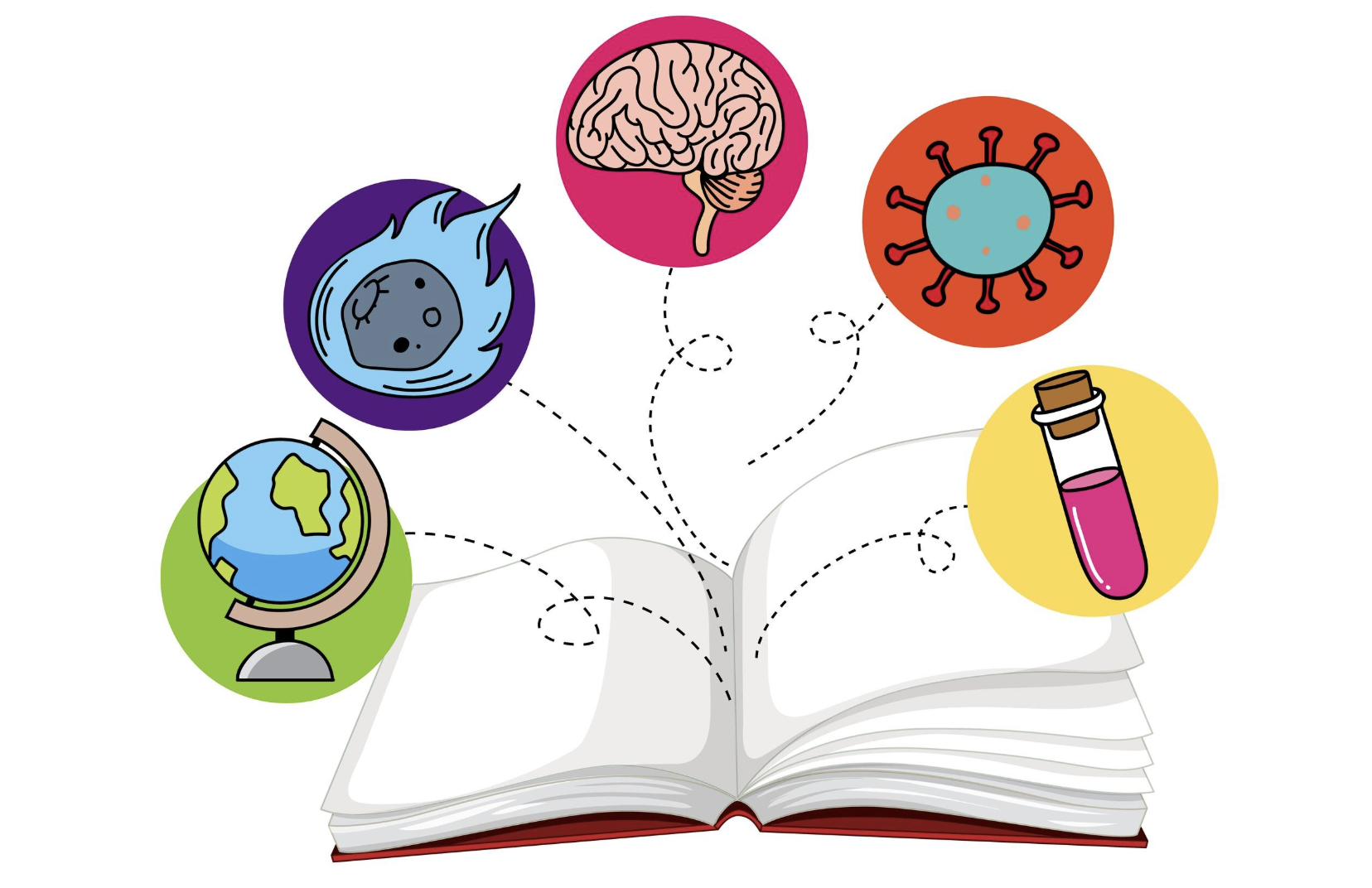
Science Subjects
Mind maps are highly effective for science-related subjects because they simplify complicated systems and processes.
Students use them for:
- Biology diagrams
- Chemistry reactions
- Physics formulas
- Medical concepts
Visual learning makes scientific information easier to understand and remember.
Mathematics
In mathematics, mind maps help students organize formulas, equations, and problem-solving techniques.
Instead of memorizing formulas randomly, students connect concepts logically for deeper understanding.
History
History students benefit from mind mapping because it organizes timelines, causes, effects, and major events clearly.
This makes historical information easier to review before exams.
Literature and Language
Mind maps help students analyze:
- Characters
- Themes
- Literary devices
- Story structures
- Essay arguments
This improves writing quality and critical thinking skills.
Step-by-Step Process Top Students Use
Preview the Material First
Before creating a mind map, successful students review the chapter or lecture to identify major concepts and important ideas.
This preparation improves the structure of the final map.
Identify Key Categories
Students divide information into major sections to avoid confusion and maintain clarity.
Each section becomes a primary branch.
Simplify the Information
Instead of copying textbooks word for word, students rewrite information using simple language and concise keywords.
This improves comprehension and speeds up revision.
Build Connections Between Ideas
Students connect related concepts visually using arrows, shapes, and symbols.
This strengthens conceptual understanding and improves critical thinking.
Review Mind Maps Regularly
Top students revisit mind maps frequently to strengthen memory retention.
Short daily reviews are more effective than last-minute cramming sessions.
Handwritten vs Digital Mind Mapping
Benefits of Handwritten Mind Maps
Handwritten mind maps improve focus and engagement because writing activates stronger memory pathways in the brain.
Many students find handwritten maps more creative and memorable.
Benefits of Digital Mind Maps
Digital tools provide flexibility and convenience.
Advantages include:
- Easy editing
- Cloud storage
- Collaboration features
- Quick formatting
- Multimedia support
Digital mind mapping tools are especially useful for group projects and long-term academic planning.
Common Mistakes Students Should Avoid
Adding Too Much Information
Overcrowded mind maps become difficult to review.
Top students keep their maps concise and visually clean.
Writing Full Paragraphs
Mind maps work best with short phrases and keywords instead of long explanations.
This improves scanning speed and memory recall.
Ignoring Visual Hierarchy
Poor organization reduces effectiveness.
Students should maintain a clear structure using spacing, color coding, and logical branch placement.
Creating Mind Maps Without Understanding
Mind mapping is most effective after students understand the material.
Organizing confusing information without comprehension limits learning benefits.
Advanced Mind Mapping Techniques
Combining Mind Mapping With Active Recall
Active recall involves testing memory without looking at notes.
Students often redraw mind maps from memory to identify weak areas and strengthen understanding.
Using Spaced Repetition
High-performing students review mind maps at scheduled intervals to improve long-term retention.
This strategy is highly effective for exam preparation.
Applying the Feynman Technique
The Feynman Technique encourages students to explain concepts in simple language.
Combining this method with mind mapping improves clarity and understanding.
How Mind Mapping Improves Exam Performance
Students who use mind maps effectively often perform better in exams because they can:
- Recall information faster
- Understand topic relationships
- Structure essay answers clearly
- Reduce exam anxiety
- Revise efficiently
Visual learning improves confidence during tests and helps students retain information under pressure.
If you want to improve your learning speed even further, read our complete guide on “How to Study Effectively: 10 Powerful Study Techniques for Smarter Learning” to discover practical methods used by high-performing students.
Productivity Benefits of Mind Mapping
Mind mapping is not limited to studying. Students also use it for:
- Assignment planning
- Essay outlines
- Research organization
- Time management
- Goal setting
This improves productivity and reduces academic stress.
Daily Habits of Students Who Use Mind Mapping Successfully
Top performing students incorporate mind mapping into their daily study habits.
Effective habits include:
- Creating maps after lectures
- Reviewing maps before sleep
- Updating notes weekly
- Using mind maps during revision sessions
- Combining maps with practice questions
Consistency leads to stronger learning outcomes over time.
Conclusion
Mind mapping is one of the most effective study techniques used by top students worldwide. It improves memory, increases learning speed, simplifies complex information, and reduces study stress.
Students who consistently apply mind mapping strategies often experience better academic performance and more productive study sessions. By organizing information visually and reviewing concepts strategically, learners can study smarter instead of studying longer.
Whether preparing for school exams, university courses, or professional certifications, mind mapping provides a practical and highly efficient way to improve learning and academic success.
FAQs
How does mind mapping help students study faster?
Mind mapping helps students study faster by organizing information visually, improving memory recall, and simplifying complex topics into manageable sections. It reduces the need for repetitive reading and allows quicker revision.
Is mind mapping effective for all subjects?
Yes, mind mapping works effectively for most academic subjects including science, mathematics, history, literature, business studies, and psychology. It is especially useful for subjects involving complex concepts and detailed information.
Should students create handwritten or digital mind maps?
Both methods are effective. Handwritten mind maps improve memory and focus, while digital mind maps offer flexibility, editing features, and collaboration tools. Students should choose the method that best suits their learning style.
How often should students review mind maps?
Students should review mind maps regularly using spaced repetition techniques. Reviewing maps daily or weekly strengthens long-term memory and improves exam performance significantly.