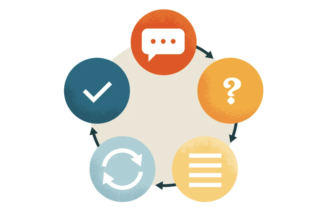

Online learning refers to education delivered through digital platforms, allowing students to access lessons, assignments, and training from anywhere. It’s more than just watching recorded videos-it’s an entire educational ecosystem created to support flexible, effective learning.
Evolution of Digital Education
Over the years, online learning has transformed from simple video tutorials to sophisticated virtual classrooms. With advancements in technology, it’s now mainstream, accessible, and increasingly trusted worldwide.
Flexibility and Convenience
Learn Anytime, Anywhere
One of the biggest benefits of online learning is the freedom it provides. Whether you’re at home, traveling, or on a lunch break, you can learn on your own schedule without strict classroom timings.
Balancing Education with Work & Life
Online learning makes it possible to juggle personal life, job responsibilities, and studies. You no longer have to choose between work and education-you can have both.
Online Learning for Busy Professionals
Professionals can upgrade skills without leaving their jobs. Courses fit into any schedule, making continuous learning easier than ever.
Accessibility for All
Breaking Geographical Barriers
Students no longer need to travel long distances or relocate. A student in Pakistan can take a course from a university in the USA without leaving home.
Affordable Learning Opportunities
Most online programs offer lower tuition fees. Plus, students save on transportation, living expenses, and textbooks.
Removing Physical Limitations
Learners with disabilities or health challenges can easily access education that fits their needs.
Personalized Learning Experience
Study at Your Own Pace
Whether you’re a fast learner or someone who prefers taking time, online learning accommodates all paces.
Tailored Learning Paths
Modern platforms analyze your performance and offer personalized study plans.
Personalized Assessments and Feedback
Instant grading, quizzes, and feedback help students understand their strengths and areas for improvement.
Enhanced Use of Technology
Interactive Learning Tools
Online platforms use quizzes, animations, gamification, and AI tools to make learning fun and interactive.
Multimedia-Rich Lessons
Lessons include videos, audio, images, and infographics, making concepts easier to understand.
Virtual Classrooms and Simulations
Students can join live classes, participate in discussions, and even experience real-world simulations.
Improves Technical Skills
Digital Literacy Development
Using digital platforms naturally improves computer skills-something essential in today’s digital-first world.
Exposure to Emerging Technologies
Online learners often experience tools like AI tutors, virtual labs, learning management systems, and advanced software.
Wide Variety of Courses
Explore Global Programs
Whether it’s coding, graphic design, business strategies, or psychology, you can find courses from top institutions worldwide.
Learn New Skills Effortlessly
Short courses, boot camps, and certifications help learners quickly upgrade their skill set.
Boosts Career Growth
Learn Industry-Relevant Skills
Courses are designed with industry demands in mind, helping students stay job-ready.
Increases Employability Opportunities
Certifications from recognized platforms can strengthen resumes and open new career paths.
Encourages Self-Discipline
Builds Time Management Skills
Managing deadlines and coursework teaches learners how to organize their daily routines.
Develops Independent Learning Habits
Online learning encourages self-motivation, a skill that benefits students both academically and professionally.
Cost-Effectiveness
Lower Tuition Fees
Most online courses are cheaper compared to traditional education.
Save on Travel & Accommodation
No need for hostels, transport costs, or food expenses typically associated with campus life.
Community and Collaboration
Global Networking
Students connect with peers from different countries, creating cultural awareness and building a strong learning community.
Discussion Forums and Peer Support
Online forums provide help, feedback, and motivation from fellow learners.
Challenges of Online Learning
Need for Strong Self-Motivation
Without a physical classroom, some students may struggle to stay disciplined.
Lack of Face-to-Face Interaction
Less social interaction can affect communication skills if not balanced with offline activities.
Future of Online Learning
Rising Trends in E-Learning
Artificial intelligence, VR learning, and adaptive systems are shaping the future of online education.
Long-Term Impact on Education Systems
As online learning expands, hybrid models combining traditional and digital learning are becoming the norm.
Conclusion
Online learning has revolutionized education by making it accessible, flexible, and affordable. It empowers learners of all ages, supports career advancement, boosts technical skills, and breaks geographical limits. As technology continues to advance, online learning will only grow stronger, shaping the future of global education.
FAQs
1. Is online learning as effective as traditional learning?
Yes, when done correctly, online learning can be equally effective-sometimes even better due to personalized pacing and interactive tools.
2. Can students interact with teachers in online classes?
Absolutely. Many platforms offer live sessions, Q&A sessions, and chat support.
3. Is online learning expensive?
No, most online programs are more affordable than traditional education.
4. Do online certificates help in getting a job?
Yes, recognized online certificates can boost your resume and increase job prospects.
5. Who benefits the most from online learning?
Students, working professionals, parents, and anyone looking to learn new skills at their own pace.