
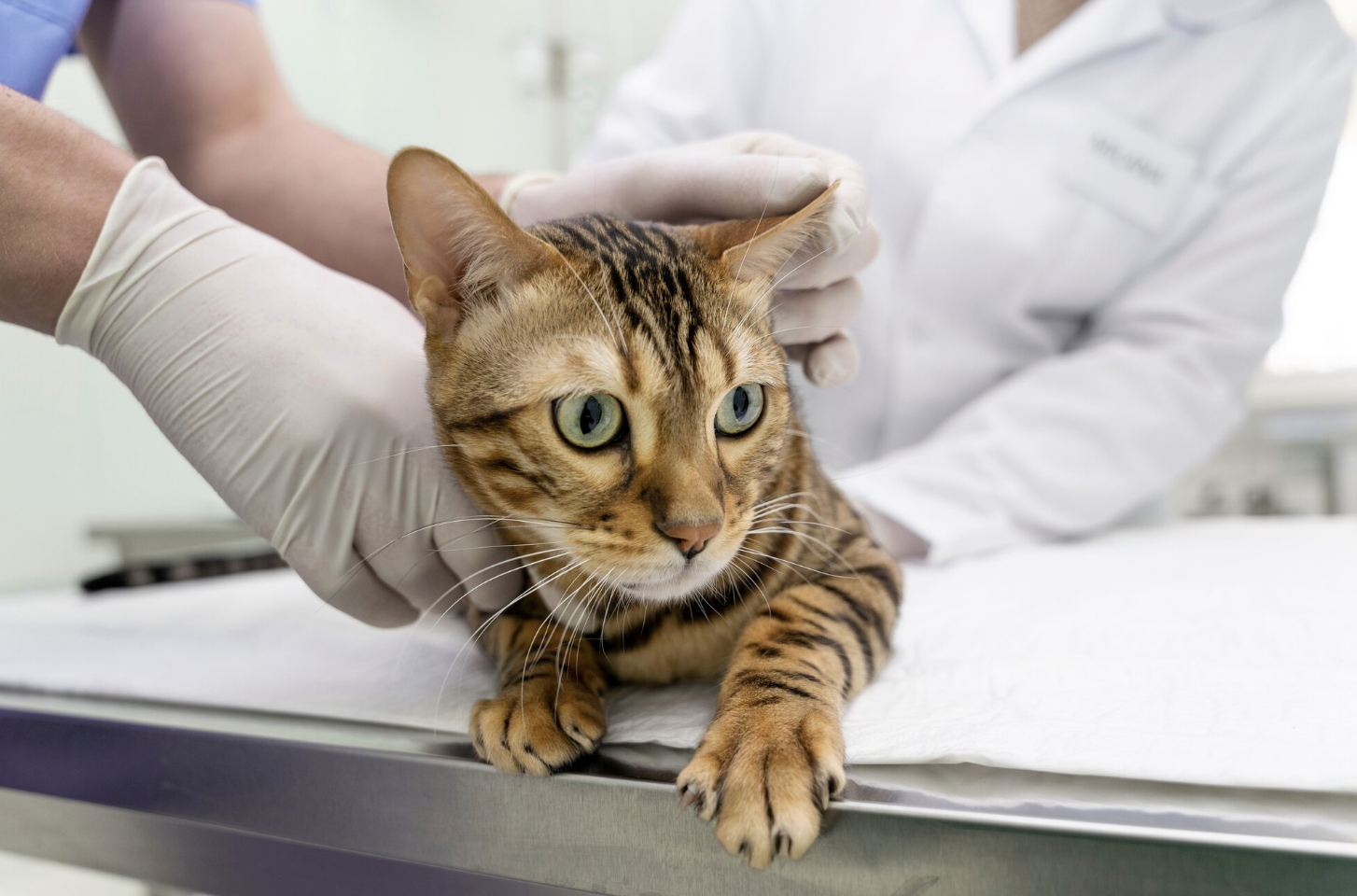
A cat’s smile might be elusive, but their oral health is no small matter. Dental problems can silently affect your feline friend’s comfort, appetite, and even longevity. According to veterinarians, over 70% of cats develop some form of dental disease by age three. While professional cleanings are essential, natural cat dental care can help prevent plaque buildup and freshen breath between vet visits. The good news? You can maintain your cat’s dental hygiene safely and effectively right at home with simple, natural methods.
1. Why Cat Dental Care Matters
Dental problems in cats don’t just cause bad breath; they can lead to gum inflammation, tooth loss, and systemic infections that affect organs like the heart and kidneys. Cats are masters of hiding discomfort, so early prevention is key. Regular home care ensures that your cat stays comfortable, eats properly, and avoids expensive procedures later on.
2. Understanding the Signs of Dental Trouble
Before getting into natural remedies, it’s crucial to know when a cat’s mouth needs attention. Common signs include:
- Persistent bad breath
- Drooling or pawing at the mouth
- Reluctance to eat dry food
- Red or swollen gums
- Yellow or brown tartar buildup
- Behavioral changes, like irritability or reduced grooming
If any of these signs appear, consult your vet first. Natural remedies are best used for prevention or mild plaque control, not for treating advanced dental disease.
3. Natural Home Remedies for Cat Dental Care
A. Coconut Oil
Coconut oil isn’t just a kitchen staple, it’s a natural, gentle antibacterial that can help fight plaque and freshen your cat’s breath. Apply a small amount to your finger or a soft cloth and gently rub it on their teeth, or add a drop to their food. Its antimicrobial properties reduce harmful bacteria, while its mild taste is usually well-accepted by cats.
Tip: Use only small, occasional amounts. Too much can upset your cat’s stomach or add unnecessary calories.
B. Raw Bones (with Caution)
In the wild, cats clean their teeth by chewing on prey, which naturally scrapes plaque away. Raw, soft bones like chicken necks can offer similar benefits under supervision. They provide natural cleaning action and mental stimulation.
Safety Note: Never give cooked bones they splinter easily and can cause injury. Always supervise your cat, and consult your vet before introducing raw bones to ensure it’s safe for your pet’s health status.
C. Dental Herbs and Supplements
Certain herbs and natural ingredients can support oral health:
- Parsley: Acts as a natural breath freshener. You can mix a small, finely chopped pinch into food.
- Neem Leaf Extract: Found in some cat-safe dental sprays, neem helps control bacteria.
- Seaweed Powder (Ascophyllum nodosum): Scientifically studied to reduce plaque and tartar buildup by altering the saliva’s bacterial composition.
Always ensure any supplement you use is labeled safe for cats never experiment with essential oils or human oral care products.
D. Crunchy Natural Foods and Treats
While cats are obligate carnivores, crunchy freeze-dried meat treats or specially designed natural dental treats can mechanically reduce plaque. Foods with minimal additives and high protein are best, as artificial ingredients often contribute to bad oral bacteria.
Some pet parents also use small chunks of raw meat (like chicken or turkey) that encourage chewing. This mild abrasive action mimics natural teeth cleaning and keeps jaw muscles strong.
E. Water Additives and Probiotics
Natural, vet-approved water additives can freshen breath and prevent bacterial buildup. Look for enzymes, chlorophyll, or probiotics these work gently to balance the mouth’s microbiome. Dental probiotics come in powders or treats and work to reduce odor-causing bacteria while supporting healthy gums.
F. Regular Brushing with a Cat-Friendly Toothpaste
Though it may sound ambitious, brushing your cat’s teeth remains one of the most effective ways to prevent plaque and tartar. The key is to use a natural cat-safe toothpaste (never human toothpaste—it can be toxic). Toothpastes with enzymes, aloe vera, or mild abrasives like baking soda blends are great options. Start gradually, using a soft brush or gauze-wrapped finger, and make the experience positive with praise or a treat afterward.
4. Lifestyle and Preventive Care Tips
- Routine checks: Lift your cat’s lips every week to inspect gums and teeth. Early detection saves trouble.
- Healthy diet: High-quality, grain-free cat food supports oral and overall health.
- Hydration: Good hydration keeps saliva flowing, which naturally protects teeth.
- Regular vet visits: Even natural care should complement—not replace—professional dental checkups.
5. When to See the Vet
Natural remedies maintain healthy teeth, but they can’t dissolve hardened tartar or treat infections. If you notice bleeding gums, loss of appetite, or drooling, professional dental cleaning and possible antibiotics are necessary. Regular vet guidance ensures that your natural care routine stays safe and effective.
Conclusion
Taking a natural approach to cat dental care can make a world of difference in your feline’s comfort and happiness. By combining simple home remedies like coconut oil, raw bones, and natural supplements with routine brushing and good nutrition, you can prevent many dental issues before they start. Remember the goal is not perfection, but consistency. A few minutes of care each week can save your cat from years of oral discomfort and give them a healthier, happier, and yes, more confident smile.