
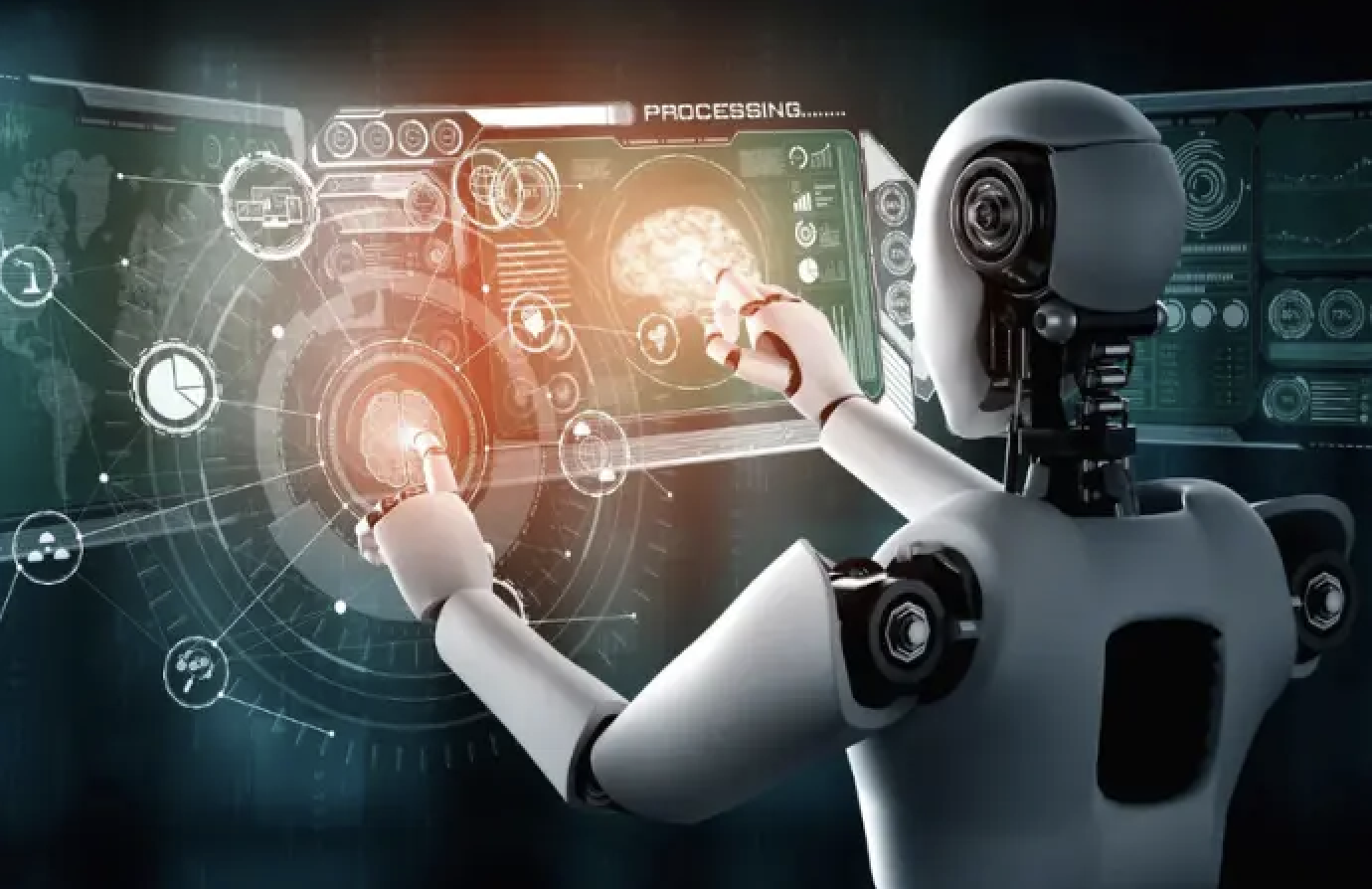
The Rise of Adaptive Digital Intelligence
In modern technology, machine learning improves systems over time by enabling software to learn from data and experience. Instead of relying only on fixed instructions, systems adapt as they process new information. As a result, performance becomes more accurate and efficient.
This ability to improve continuously has made machine learning a foundation of intelligent digital solutions.
Understanding Machine Learning in Simple Terms
Machine learning is a branch of artificial intelligence that allows systems to identify patterns in data. These systems analyze past outcomes and adjust future behavior accordingly.
Therefore, the more data they receive, the better their predictions become. This learning process separates machine learning from traditional rule based software.
How Machine Learning Improves Systems Over Time
Machine learning improves systems over time through continuous feedback loops. Each interaction provides new data. The system then refines its models to reduce errors and improve outcomes.
Consequently, performance increases without manual reprogramming. This adaptability makes machine learning highly valuable in dynamic environments.
Data as the Foundation of Continuous Improvement
Data plays a critical role in machine learning. High quality data helps systems recognize meaningful patterns. As datasets grow, systems gain deeper insights.
Moreover, updated data ensures relevance. This process allows machine learning models to stay aligned with changing conditions.
Real World Applications of Adaptive Learning
Many industries benefit from machine learning’s ability to evolve. Recommendation engines improve suggestions based on user behavior. Fraud detection systems become more accurate as they identify new threats.
Similarly, healthcare tools refine diagnoses over time. These examples show how learning systems deliver long term value.
Automation and Efficiency Gains
Machine learning enhances automation by reducing repetitive tasks. As systems learn, they handle complex decisions more effectively. This reduces human intervention and operational costs.
Therefore, organizations achieve higher efficiency while maintaining accuracy.
Personalization Through Continuous Learning
Personalized experiences depend on adaptive systems. Machine learning improves systems over time by tailoring content, products, and services to individual users.
Because preferences change, learning models update continuously. This flexibility improves user satisfaction and engagement.
Predictive Capabilities Improve Decision Making
Machine learning systems analyze trends and predict outcomes. Over time, predictions become more reliable. Businesses use these insights to plan strategies and manage risks.
As accuracy increases, decision making becomes more confident and data driven.
Reducing Errors Through Feedback Loops
Feedback loops allow systems to learn from mistakes. When outcomes differ from expectations, models adjust automatically.
As a result, error rates decrease steadily. This self-correction process strengthens long term reliability.
Scalability of Learning Systems
Machine learning systems scale efficiently. As usage grows, learning improves rather than declines. Increased interaction generates more data, which fuels better performance.
Therefore, scalability becomes an advantage instead of a limitation.
Security and Risk Management Improvements
Machine learning improves systems over time in security applications. Threat detection tools learn from new attack patterns. This allows faster identification of anomalies.
Consequently, systems become more resilient against evolving risks.
Ethical and Responsible Learning
Responsible implementation is essential. Machine learning systems must learn from unbiased and representative data. Continuous monitoring ensures fairness and transparency.
Ethical practices protect users while maintaining trust in intelligent systems.
Future Potential of Self Improving Systems
As computing power grows, machine learning capabilities will expand further. Systems will adapt faster and handle more complex tasks.
This progress will strengthen innovation across industries.
Conclusion: Continuous Learning Powers Smarter Technology
Machine learning improves systems over time by enabling constant adaptation and refinement. Through data, feedback, and automation, systems grow more accurate and efficient.
Ultimately, self learning technology drives long term innovation and smarter digital experiences.