
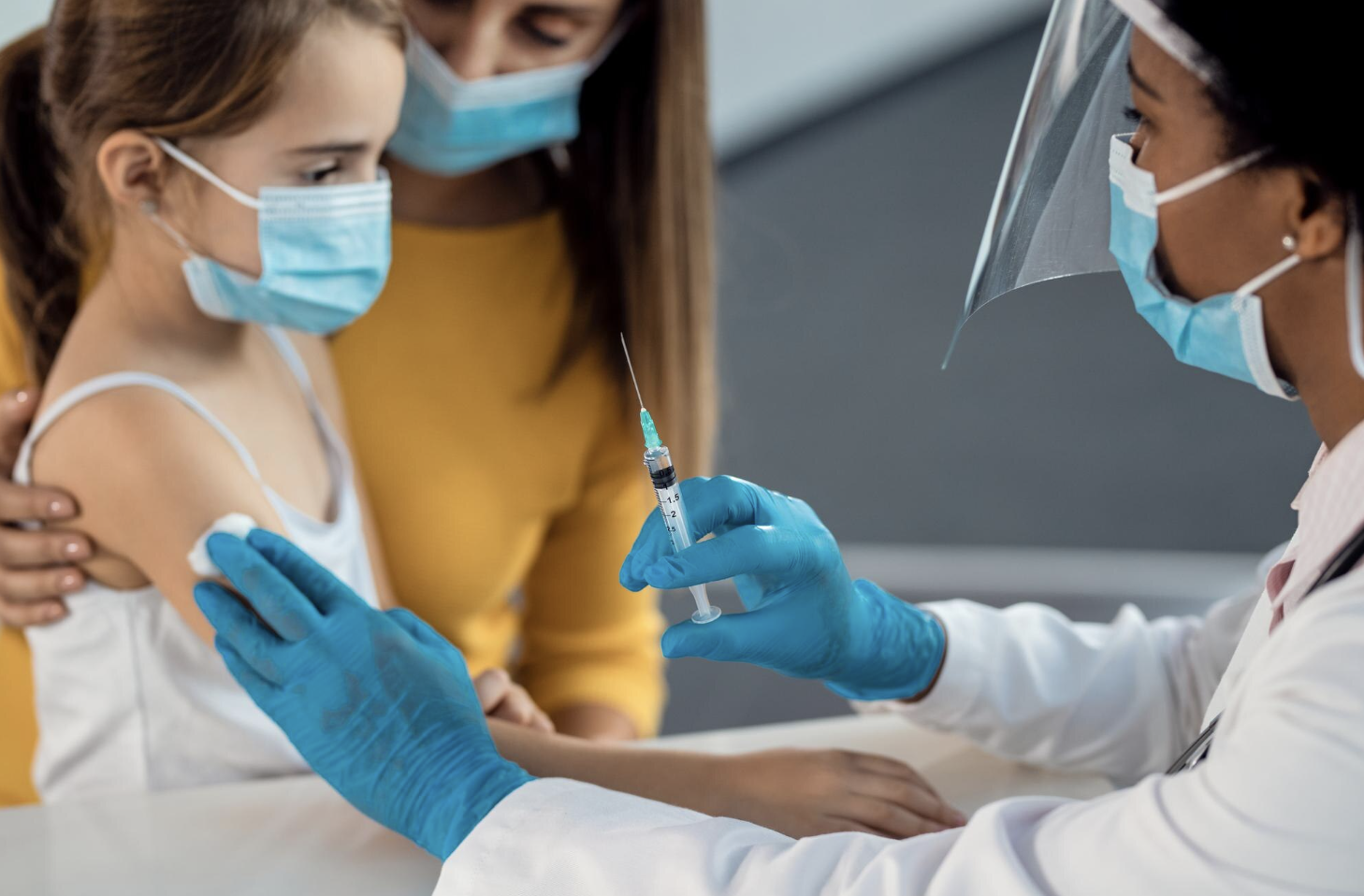
Vaccination coverage refers to the proportion of people within a population who have received recommended vaccines. It serves as a key measure of how effectively a healthcare system protects its citizens from infectious diseases. When vaccination coverage is high, communities become safer, outbreaks become rare, and preventable illnesses lose their ability to spread widely.
Immunization has transformed global health over the past century. Diseases that once caused widespread death and disability are now controlled or nearly eliminated in many parts of the world. However, the success of vaccines depends not only on their availability but also on how many people receive them. That is where vaccination coverage becomes critically important.
The Meaning and Measurement of Vaccination Coverage
Vaccination coverage is typically expressed as a percentage. It is calculated by comparing the number of individuals who have been vaccinated to the total number of people eligible for that vaccine. Public health officials often track coverage among specific age groups, especially infants and young children, because early childhood vaccines protect against some of the most dangerous infectious diseases.
Accurate data collection is essential. Health authorities gather information through clinic records, national immunization surveys, and digital reporting systems. These data help identify regions with low coverage and guide efforts to improve access and awareness.
The Role of Herd Immunity
One of the most important benefits of high vaccination coverage is herd immunity. When a large majority of a population is immune to a disease, the infection struggles to spread from person to person. As a result, even those who cannot be vaccinated, such as newborn babies or individuals with certain medical conditions, receive indirect protection.
Herd immunity does not happen automatically. Each disease requires a specific level of vaccination coverage to prevent outbreaks. For highly contagious diseases like measles, the required coverage rate is particularly high. Falling below this threshold increases the risk of community-wide transmission.
Benefits Beyond Disease Prevention
Vaccination coverage does more than prevent illness. It reduces pressure on healthcare systems by lowering hospital admissions and treatment costs. It supports economic stability by minimizing work absences and school disruptions. Healthy populations are more productive, and children who avoid preventable diseases are better able to learn and grow.
Immunization programs also strengthen trust in public health systems. When communities see positive outcomes from vaccination efforts, confidence in healthcare services tends to increase.
Factors That Influence Coverage Levels
Several elements affect how successfully vaccines reach a population. Accessibility is one of the most important factors. Communities in remote or underserved areas may face difficulties reaching healthcare facilities. Limited transportation, insufficient medical staff, or poor vaccine storage systems can all reduce coverage.
Education and public awareness also play a major role. Misunderstandings about vaccine safety or effectiveness may lead some individuals to delay or refuse immunization. Clear communication from trusted health professionals can address concerns and build confidence.
Government support is equally vital. Strong immunization policies, sufficient funding, and organized vaccination campaigns significantly improve coverage rates. When vaccines are provided at low or no cost, more families can participate.
Global Progress and Ongoing Challenges
Over the decades, global vaccination efforts have saved millions of lives. Smallpox has been eradicated, and diseases such as polio have been pushed to the brink of elimination in many regions. Expanded immunization initiatives continue to bring vaccines to countries with limited resources.
Despite these achievements, challenges remain. Political instability, natural disasters, supply chain disruptions, and misinformation can weaken vaccination programs. Global health emergencies, such as pandemics, may also interrupt routine immunization services, leading to temporary declines in coverage.
To maintain progress, countries must invest in resilient healthcare systems, community engagement, and reliable vaccine distribution networks.
Conclusion
Vaccination coverage is a cornerstone of public health protection. It reflects how well a society safeguards its people against preventable diseases. High coverage rates not only stop infections from spreading but also strengthen economies, protect vulnerable groups, and promote long-term well-being. Continued commitment to immunization programs, education, and equitable access will ensure that the benefits of vaccines reach every community.