
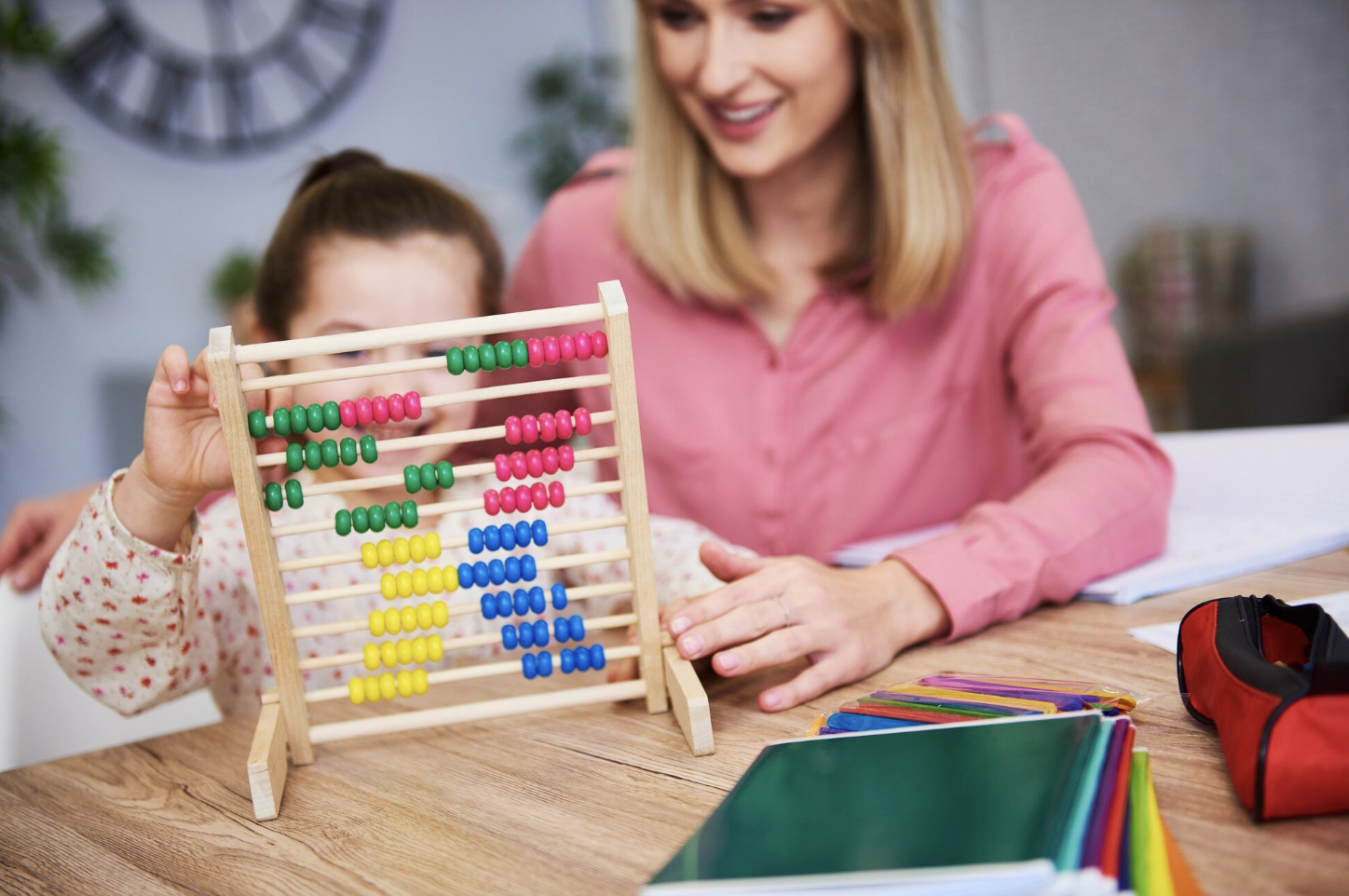
Math practice at home can feel simple and exciting. However, children often lose interest when lessons seem repetitive. Parents can change that pattern quickly. Fun math activities build confidence and strengthen thinking skills. As a result, children develop a strong academic foundation.
Below are 25 original and engaging math activities that turn learning into an enjoyable experience.
1. Secret Number Hunt
Write numbers on small papers and hide them. Then, ask your child to find and arrange them in order. This activity improves number recognition and sequencing.
2. Kitchen Math Lab
Invite your child to measure ingredients for a recipe. Consequently, they learn fractions and volume through action. Practical experience builds understanding faster.
3. Roll and Solve Game
Roll two dice and create an equation using the numbers. Afterward, switch operations to increase difficulty. Mental calculation improves with repetition.
4. Equation Bingo
Prepare bingo cards with answers. Meanwhile, call out different math problems. Children must solve before marking the correct box.
5. Home Market Challenge
Turn your living room into a small shop. Assign prices to items and use play money. Therefore, kids practice addition, subtraction, and budgeting.
6. Shape Detective Activity
Ask your child to find objects shaped like rectangles or circles. As a result, they understand geometry in daily surroundings.
7. Jumping Number Path
Create a number path using paper sheets. Call out math questions and let your child jump to the answer.
8. Quick Flashcard Rounds
Use homemade flashcards for fast practice. However, keep sessions lively and brief.
9. Counting Board Play
Choose board games that require counting steps. Therefore, learning happens naturally during playtime.
10. Pattern Bracelet Craft
Use colored strings or beads to create repeating patterns. Then, challenge your child to design new sequences.
11. Real-Life Word Problems
Create short stories using family situations. Consequently, children connect math to real experiences.
12. Card Product Game
Flip two cards and multiply the numbers. The larger result wins the round. This activity strengthens multiplication skills.
13. Daily Time Talks
Discuss schedules and clock reading together. Meanwhile, ask questions about time intervals.
14. Coin Grouping Exercise
Provide mixed coins for sorting by value. Then, count total amounts accurately.
15. Logic Riddle Hour
Share simple math riddles weekly. As a result, reasoning and analysis skills grow steadily.
16. Math App Practice
Use reliable educational apps occasionally. However, combine screen time with hands-on activities.
17. Multiples Song Practice
Create simple rhymes for counting by twos or fives. Therefore, memorization becomes easier.
18. Measure and Compare
Measure different objects using tape or ruler. Record results and compare sizes logically.
19. Family Survey Graph
Ask family members simple questions. Then, draw a graph to show results clearly.
20. Fraction Art Project
Divide a drawing into equal parts. Color each section to represent fractions visually.
21. Beginner Logic Grid
Introduce easy logic grid puzzles. Consequently, children sharpen critical thinking abilities.
22. Event Countdown Calendar
Count days remaining until special events. Meanwhile, review weeks and months.
23. Guess the Quantity Jar
Fill a jar with small objects. Let your child estimate before counting together.
24. Speed Math Practice
Write simple equations and set a timer. Focus on accuracy before increasing speed.
25. Math Reflection Notebook
Encourage your child to record daily math progress. Writing strengthens understanding and confidence.
Why Active Math Practice Matters
Children learn better when lessons feel interactive. Moreover, hands-on activities reduce fear of mistakes. When math becomes enjoyable, motivation increases naturally.
Consistent practice builds strong number sense. In addition, children gain independence in problem solving. Over time, skills improve noticeably.
Interactive learning also supports memory retention. Meanwhile, creative tasks maintain curiosity and focus.
Simple Tips for Better Results
Keep sessions short and consistent. However, avoid long lessons that cause frustration. Encourage effort rather than perfection.
Use everyday examples to explain concepts. Therefore, math feels practical and useful. Rotate activities regularly to prevent boredom.
Offer praise and constructive feedback. As a result, children feel supported and confident.
Creating Long-Term Confidence
Confidence grows with steady progress. Even small improvements make a difference. Parents should show enthusiasm during practice sessions.
Set achievable goals and track improvement weekly. However, focus on personal growth instead of comparison.
Allow children to solve problems independently. At the same time, provide guidance when necessary.
Conclusion
Math learning at home can be creative and enjoyable. These 25 engaging activities help children strengthen skills naturally. Moreover, they build confidence without pressure. Start today and create a positive math journey that supports lifelong success.