Wireless charging has become one of the most convenient features in modern smartphones, earbuds, smartwatches, and other electronic devices. Instead of plugging in a charging cable every time your battery runs low, you simply place your device on a charging pad, and charging begins automatically. It feels simple, almost effortless, but many people still wonder what actually happens beneath the surface.
How can electricity move without a cable? Is wireless charging safe? Does it damage the battery? Is it slower than traditional charging? These are common questions, especially for people buying their first wireless charger.
This guide explains wireless charging in simple English. You’ll learn how the technology works, the different wireless charging standards, its advantages and disadvantages, common myths, practical tips, and how to choose the right charger for your needs.
Whether you own an Android phone, an iPhone, wireless earbuds, or a smartwatch, understanding wireless charging helps you use your devices more efficiently while making smarter buying decisions.
What Is Wireless Charging?
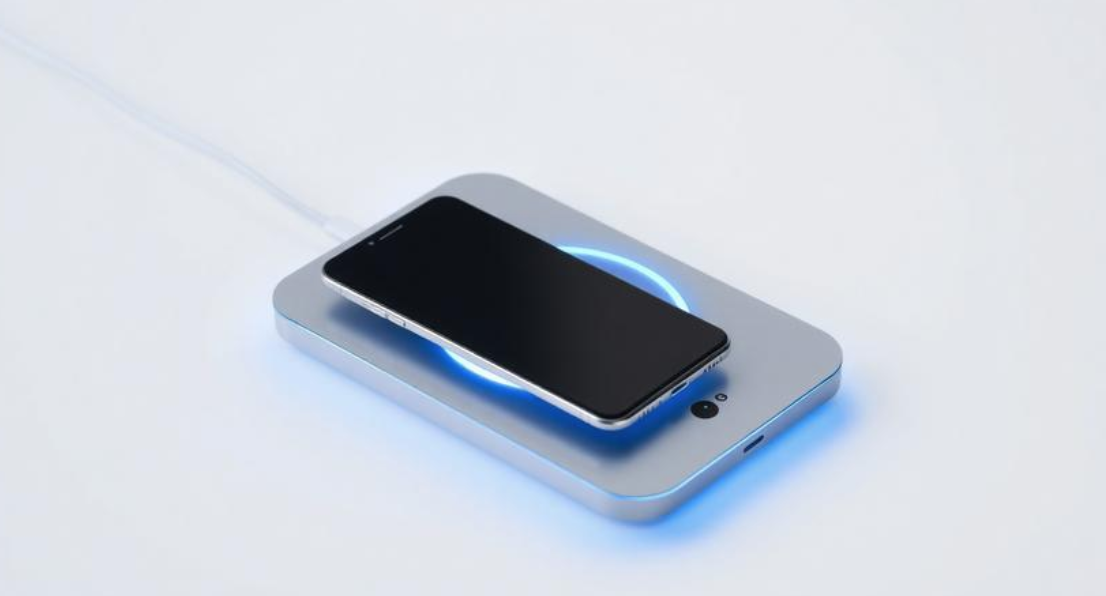
Wireless charging is a technology that transfers electrical energy from a charging pad or stand to a compatible device without using a physical charging cable. Although it is called “wireless,” electricity does not travel through the air over long distances. Instead, the charging pad creates a magnetic field that transfers energy when the device is placed very close to it.
The charger contains a transmitter coil, while the phone or other device contains a receiver coil. When these coils align, electrical energy moves between them through electromagnetic induction. The receiver converts that energy into electricity, which charges the battery.
Think of it like an electric toothbrush. Many rechargeable toothbrushes have used wireless charging for years. You simply place the toothbrush on its base instead of plugging in a cable. Smartphones now use a similar principle, only with more advanced electronics and safety controls.
Wireless charging removes wear and tear from charging ports, reduces cable clutter, and makes charging as easy as setting your phone down on a desk. As an increasing number of brands adopt the technology, wireless charging is rapidly becoming a common feature in a wide range of electronic devices used by consumers.
How Does Wireless Charging Work?
Wireless charging works through electromagnetic induction, a principle discovered nearly two centuries ago. While the science sounds complicated, the process is surprisingly easy to understand.
The wireless charger itself needs to be plugged into an electrical outlet to function. Inside the pad is a copper coil that creates an alternating magnetic field whenever electricity flows through it.
Inside your phone or wireless device is another copper coil. When the phone is placed on the charger, this second coil captures energy from the magnetic field. Electronic circuits then convert that energy into direct current (DC) electricity, which safely charges the battery.
Several safety systems operate throughout this process. The charger constantly communicates with the device to determine the correct charging speed, monitor temperature, and prevent overheating or overcharging.
For example, imagine placing your smartphone on a bedside charging stand before sleeping. The charger recognizes the phone, negotiates an appropriate power level, and gradually charges the battery while monitoring heat throughout the night. If the battery reaches full capacity, charging slows or stops automatically.
This communication between charger and device is one reason modern wireless charging is considered both safe and reliable.
Types of Wireless Charging Technology
Different wireless charging systems may operate using varying methods and technologies. Different technologies serve different purposes depending on the distance, power requirements, and intended devices.
Inductive Charging
Inductive charging is the most common type used in smartphones and wireless earbuds. The charging pad and device must be almost touching each other for efficient energy transfer. This is the technology behind most consumer wireless chargers.
Resonant Wireless Charging
Resonant charging allows slightly greater distance between the charger and device. Multiple devices may also charge from a single transmitter. Although this technology offers greater flexibility, it is less common in everyday consumer electronics.
Radio Frequency (RF) Charging
RF charging uses radio waves to deliver very small amounts of power over longer distances. It is mainly used for low-power devices such as sensors and Internet of Things (IoT) products rather than smartphones.
Future Technologies
Researchers continue developing long-distance wireless power transmission that could charge devices while they remain inside a room. Although promising, these solutions are still limited by efficiency, regulations, and cost.
Nowadays, most regular users find wireless induction charging to be the most convenient and accessible method for powering their devices.
Understanding Qi Wireless Charging
If you’ve shopped for wireless chargers, you’ve probably noticed the Qi logo. Qi is the global wireless charging standard developed by the Wireless Power Consortium.
Qi ensures that certified chargers and compatible devices can work together safely, even when manufactured by different companies.
For example, a Qi-certified charger from one brand can usually charge a Qi-compatible smartphone from another brand without problems.
Benefits of the Qi standard include:
- Universal compatibility
- Improved charging safety
- Better communication between charger and device
- Reliable charging speeds
- Consistent quality testing
Many Android phones, recent iPhones, wireless earbuds, and accessories support Qi charging, making it the most important standard to look for when purchasing a wireless charger.
External Resource:
https://www.wirelesspowerconsortium.com/
Devices That Support Wireless Charging
Wireless charging is no longer limited to premium smartphones. Today, many different products support this convenient technology.
These include:
- Smartphones
- Wireless earbuds
- Smartwatches
- Tablets (selected models)
- Portable battery packs
- Computer accessories
- Gaming controllers
- Medical devices
- Electric toothbrushes
Many coffee shops, airports, hotels, and office desks also include built-in wireless charging pads, making it even easier to recharge devices throughout the day.
Before buying a wireless charger, make sure your device is compatible with wireless charging capabilities. Some budget smartphones still require a traditional charging cable.
Advantages of Wireless Charging
Wireless charging offers much more than convenience.
One major benefit is reduced wear on charging ports. Traditional charging cables are plugged in and removed thousands of times over a device’s lifetime. Over time, ports may loosen, collect dust, or stop working properly.
Wireless charging also keeps workspaces cleaner. Instead of multiple tangled charging cables, one charging pad can power compatible devices neatly.
Another advantage is improved water resistance. Since manufacturers rely less on charging ports, devices can be designed with stronger protection against moisture and dust.
Wireless charging also encourages better charging habits. Instead of waiting for the battery to become nearly empty, users often place devices on charging pads whenever they are not using them, helping maintain battery levels throughout the day.
In offices, homes, hotels, and public spaces, wireless charging makes powering devices feel almost automatic.
Disadvantages and Limitations
Despite its convenience, wireless charging isn’t perfect.
Charging speed is often slower than modern wired fast charging, especially for large batteries.
The device must also remain properly aligned with the charging coil. Even a slight shift may reduce charging efficiency or stop charging entirely.
Heat is another concern. Wireless charging naturally generates more heat because some energy is lost during transmission. While quality chargers include temperature management systems, excessive heat can still affect charging performance.
Even when not actively charging a device, wireless chargers draw a small amount of power while on standby.
Finally, thick phone cases, metal accessories, magnets, or credit cards placed between the charger and phone may interfere with charging.
Understanding these limitations helps users set realistic expectations.
Is Wireless Charging Safe?
Safety is among the top worries people have when it comes to wireless charging.
The good news is that certified wireless chargers are designed with multiple layers of protection. They monitor temperature, regulate voltage, detect foreign objects, and automatically adjust charging speed when necessary.
Modern wireless charging systems include:
- Overheating protection
- Over-voltage protection
- Foreign object detection
- Automatic power adjustment
- Battery communication systems
When using certified products, wireless charging is generally considered very safe.
Problems are more likely to occur with extremely cheap, uncertified chargers that may lack proper safety controls.
Does Wireless Charging Damage the Battery?
It’s also one of the most frequently asked questions people search for on the internet.
In normal use, wireless charging does not damage your phone’s battery.
Modern lithium-ion batteries naturally wear down over hundreds of charging cycles regardless of whether charging is wired or wireless.
The biggest factor affecting battery health is heat, not wireless charging itself.
Using a high-quality charger, removing unusually thick phone cases, keeping devices cool, and avoiding direct sunlight during charging all help maintain battery health.
Many smartphones also include intelligent battery management software that slows charging after about 80% to reduce long-term battery wear.
Wireless Charging vs Wired Charging
Both charging methods have strengths.
Wireless charging is ideal for convenience. Simply place the phone down without searching for cables. It works well on bedside tables, office desks, and living rooms.
Wired charging remains the better option when speed matters. If your battery is nearly empty before leaving home, a fast wired charger will usually recharge it much quicker.
Many users actually combine both methods.
For example:
- Use wireless charging overnight.
- Use wired fast charging during busy days.
- Keep a wireless charger on your office desk.
- Carry a USB-C cable while traveling.
This balanced approach offers both convenience and speed.
Common Wireless Charging Myths
Many misconceptions continue circulating online.
Myth: 1
Wireless charging ruins batteries.
Modern battery management systems prevent unnecessary battery damage.
Myth: 2
Wireless charging wastes huge amounts of electricity.
Although slightly less efficient than wired charging, the difference in household electricity costs is generally very small.
Myth: 3
It is dangerous to humans.
Certified wireless chargers produce low-level electromagnetic fields that operate within established international safety standards.
Myth: 4
Every phone supports wireless charging.
Only devices with built-in wireless charging hardware can use this feature.
Separating myths from facts helps consumers make informed decisions.
How to Choose the Right Wireless Charger
Choosing the right charger depends on your devices and daily routine.
To make sure your charger works safely and smoothly with your device, check for Qi certification.
Check the maximum charging power supported by both the charger and your phone. Buying a 30W charger won’t increase charging speed if your phone only supports 15W wireless charging.
Consider whether you need:
- Flat charging pad
- Adjustable charging stand
- Multi-device charger
- Travel charger
- Magnetic charging system
- Built-in cooling fan
Also pay attention to build quality, non-slip surfaces, cable length, and warranty.
Spending a bit more on a trusted charger often results in better durability and performance over time compared to choosing the cheapest one.
Real-World Example
Sarah works from home and frequently checks emails throughout the day. She previously plugged and unplugged her charging cable dozens of times daily.
After switching to a wireless charging stand, she simply places her phone on the stand whenever she returns to her desk. Her battery remains between 60% and 90% throughout the day, and she no longer worries about damaging the charging port.
Meanwhile, she still uses a fast wired charger before traveling because it recharges her phone much faster.
This combination gives her both convenience and speed without changing her daily routine.
Practical Tips for Better Wireless Charging
Getting the best performance doesn’t require complicated settings.
Follow these simple practices:
- Buy a Qi-certified charger.
- Keep the charging surface clean.
- Align the phone correctly.
- Remove thick metal cases if necessary.
- Avoid charging in hot environments.
- Use the charger supplied with the wireless pad.
- Keep software updated.
- Replace damaged charging accessories.
These small habits improve charging reliability and battery health over time.
Conclusion
Wireless charging has transformed the way people power their everyday devices. While the technology may seem almost magical, it relies on well-established scientific principles that safely transfer energy through electromagnetic induction.
Although wired charging remains the fastest option, wireless charging offers unmatched convenience for everyday use. It reduces cable clutter, minimizes wear on charging ports, and makes charging as simple as placing a device on a pad.
Understanding how wireless charging works also helps you choose better accessories, avoid common mistakes, and maintain your device’s battery for years to come. As technology advances and more devices support wireless charging, it’s expected to become a regular feature in our everyday routines.
Frequently Asked Questions
1. What is wireless charging?
Wireless charging is a method of charging electronic devices without plugging in a charging cable. Energy transfers through electromagnetic induction between a charging pad and the device.
2. How does wireless charging work?
A charging pad creates a magnetic field that transfers energy to a receiver coil inside a compatible device. The device converts that energy into electricity to charge its battery.
3. Is wireless charging safe?
Yes. Certified wireless chargers include safety features such as temperature monitoring, voltage control, and foreign object detection.
4. Does wireless charging damage batteries?
No. Normal wireless charging does not damage batteries. Excessive heat is a bigger concern than the charging method itself.
5. Is wireless charging slower than wired charging?
In most cases, yes. Wired fast charging usually delivers more power and charges devices more quickly.
6. Is it safe to keep my phone on a wireless charger all night long?
Yes. Modern smartphones automatically reduce or stop charging when the battery reaches full capacity.
7. Do phone cases affect wireless charging?
Thin plastic or silicone cases usually work well. Using heavy, metal, or magnetic phone cases can lower charging speed or stop it from working altogether.
8. What is Qi wireless charging?
Qi is the world’s most widely used wireless charging standard. It ensures compatibility between certified chargers and supported devices.
9. Can wireless charging work through furniture?
Some furniture includes built-in wireless charging pads beneath the surface. However, standard wireless chargers generally require only a very thin gap between the charger and the device.
10. Is it worth buying a wireless charger?
If you value convenience, use your phone frequently throughout the day, or want to reduce wear on charging ports, a quality wireless charger is a worthwhile investment.