
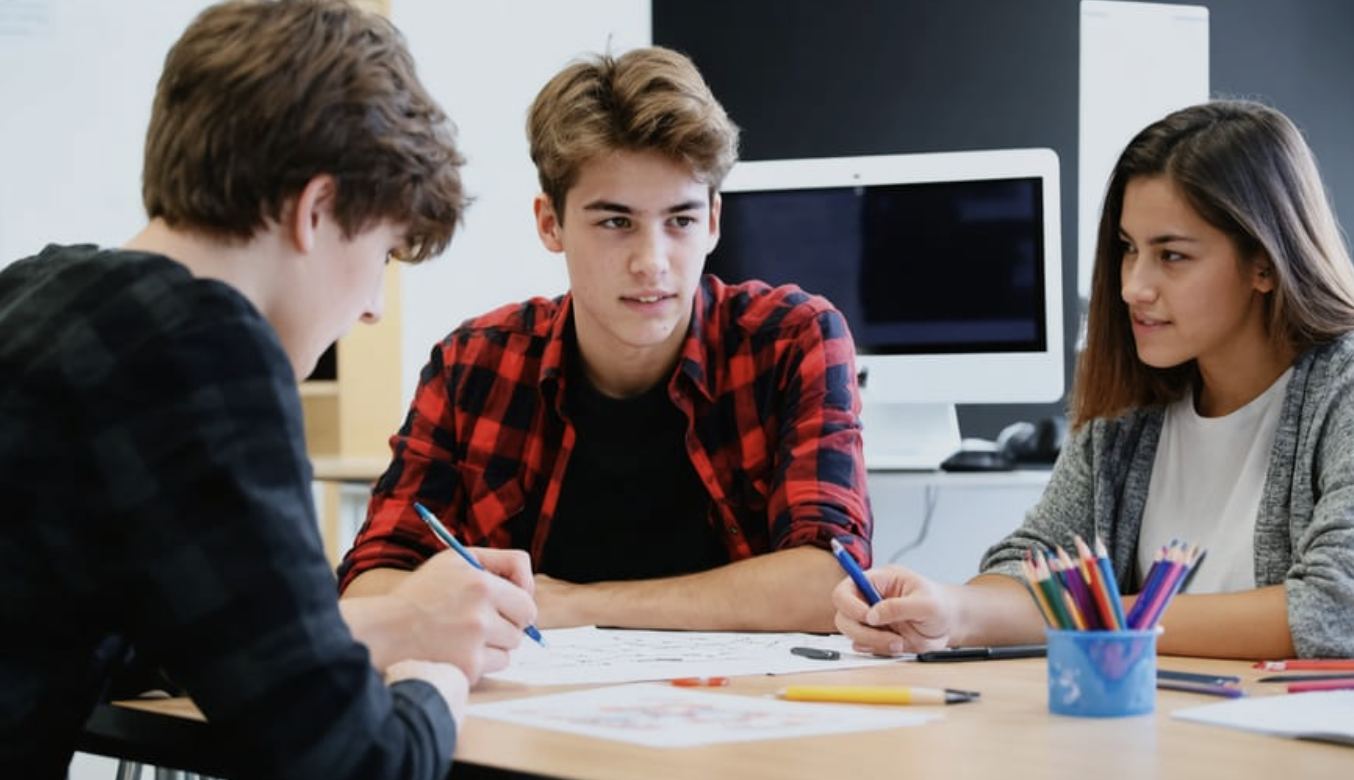
Learning is no longer limited to listening to lectures or reading textbooks alone. In today’s connected world, success depends on how well individuals work with others and think through complex problems. This is why collaborative learning environments are becoming essential in schools, universities, and workplaces. They create spaces where people learn together, exchange ideas, and grow through shared experiences.
When learners collaborate, they do more than complete tasks. They build teamwork skills, sharpen critical thinking, and develop confidence that stays with them for life. Let’s explore how collaborative learning environments truly transform the way people learn and perform.
Understanding Collaborative Learning Environments
A collaborative learning environment is any setting where individuals actively work together to achieve shared goals. Instead of competing or working in isolation, participants engage in discussions, group projects, peer feedback, and problem solving activities.
These environments can take many forms:
- Classroom group assignments
- Peer led study circles
- Corporate training workshops
- Virtual team projects
- Interactive online courses
The key idea is simple: people learn better when they learn together.
How Collaborative Learning Strengthens Teamwork
Teamwork is one of the most valuable skills in modern education and professional life. Collaborative learning environments naturally develop this skill by placing individuals in shared situations where cooperation is necessary.
Builds Accountability
When working in groups, each member has responsibilities. If one person does not contribute, the entire team feels the impact. This structure encourages accountability and reliability.
For example, during a university research project, one student may handle data collection while another prepares the analysis. Each person’s contribution directly affects the outcome.
Enhances Communication Skills
Group discussions push learners to explain their ideas clearly. They also learn to listen actively and respect differing viewpoints.
Strong communication skills developed through collaboration include:
- Clear expression of thoughts
- Active listening
- Constructive feedback
- Conflict management
Over time, individuals become more confident speakers and better collaborators.
Encourages Trust and Mutual Respect
Working closely with others builds trust. Team members learn to appreciate different strengths and backgrounds. This exposure helps individuals become more open-minded and adaptable.
In real-world workplaces, employees must collaborate across departments and cultures. Collaborative learning prepares them for this reality.
How Collaborative Learning Improves Critical Thinking
Critical thinking is the ability to analyze information, evaluate arguments, and make thoughtful decisions. Collaborative learning environments provide the perfect setting for developing these skills.
Promotes Deep Discussions
When learners discuss topics in groups, they encounter diverse opinions. These conversations challenge assumptions and encourage deeper thinking.
For instance, during a business case study discussion, one participant may support a strategy while another points out risks. This exchange forces everyone to evaluate evidence carefully.
Encourages Problem Solving
Many collaborative activities focus on solving practical problems. Teams must:
- Identify the core issue
- Analyze possible solutions
- Compare alternatives
- Justify their final decision
This process strengthens analytical and reasoning abilities.
Develops Independent Judgment
Although collaboration involves teamwork, individuals must still form their own opinions. Listening to others helps refine perspectives, not replace them. As a result, learners become more thoughtful and balanced decision-makers.
Real Life Examples of Collaborative Learning
Collaborative learning environments are already transforming education and professional development.
Project Based Learning in Schools
Many schools now use group based projects instead of traditional exams alone. Students design models, conduct research, or solve community issues together. Teachers often notice improved engagement and deeper understanding.
Workplace Team Simulations
Organizations frequently use team simulations where employees handle mock business challenges. These exercises improve cooperation, leadership, and critical thinking under pressure.
Online Collaboration Tools
Digital platforms allow students and professionals to collaborate remotely. Shared documents, virtual meetings, and discussion boards create interactive learning even from different locations.
Practical Tips for Creating Effective Collaborative Learning Environments
To maximize the benefits, structure and guidance are important.
Set Clear Objectives
Define the purpose of the task. Clear goals keep teams focused and productive.
Assign Defined Roles
Roles such as coordinator, researcher, or presenter ensure equal participation and accountability.
Encourage Open Participation
Create a safe atmosphere where everyone feels comfortable sharing ideas without fear of criticism.
Include Reflection Sessions
After completing tasks, encourage teams to reflect on:
- What worked well
- What challenges arose
- What lessons were learned
Reflection strengthens both teamwork and critical thinking.
Long Term Benefits of Collaborative Learning
The impact of collaborative learning environments extends far beyond academic success. Individuals who experience collaborative learning often:
- Adapt easily to team based workplaces
- Communicate confidently
- Handle conflicts professionally
- Approach problems logically
- Show leadership potential
These qualities are essential in today’s competitive world.
Conclusion
The power of collaborative learning environments lies in their ability to combine shared effort with intellectual growth. By improving teamwork and critical thinking, they prepare individuals for real world challenges in meaningful ways.
When people learn together, they expand their perspectives, refine their reasoning, and build essential life skills. Collaborative learning is not just an educational method; it is a foundation for personal and professional success.
As the world continues to evolve, embracing collaborative learning environments will ensure that learners do not just gain knowledge but also gain the ability to apply it wisely, confidently, and collectively.