
Understanding Smart Lighting Systems
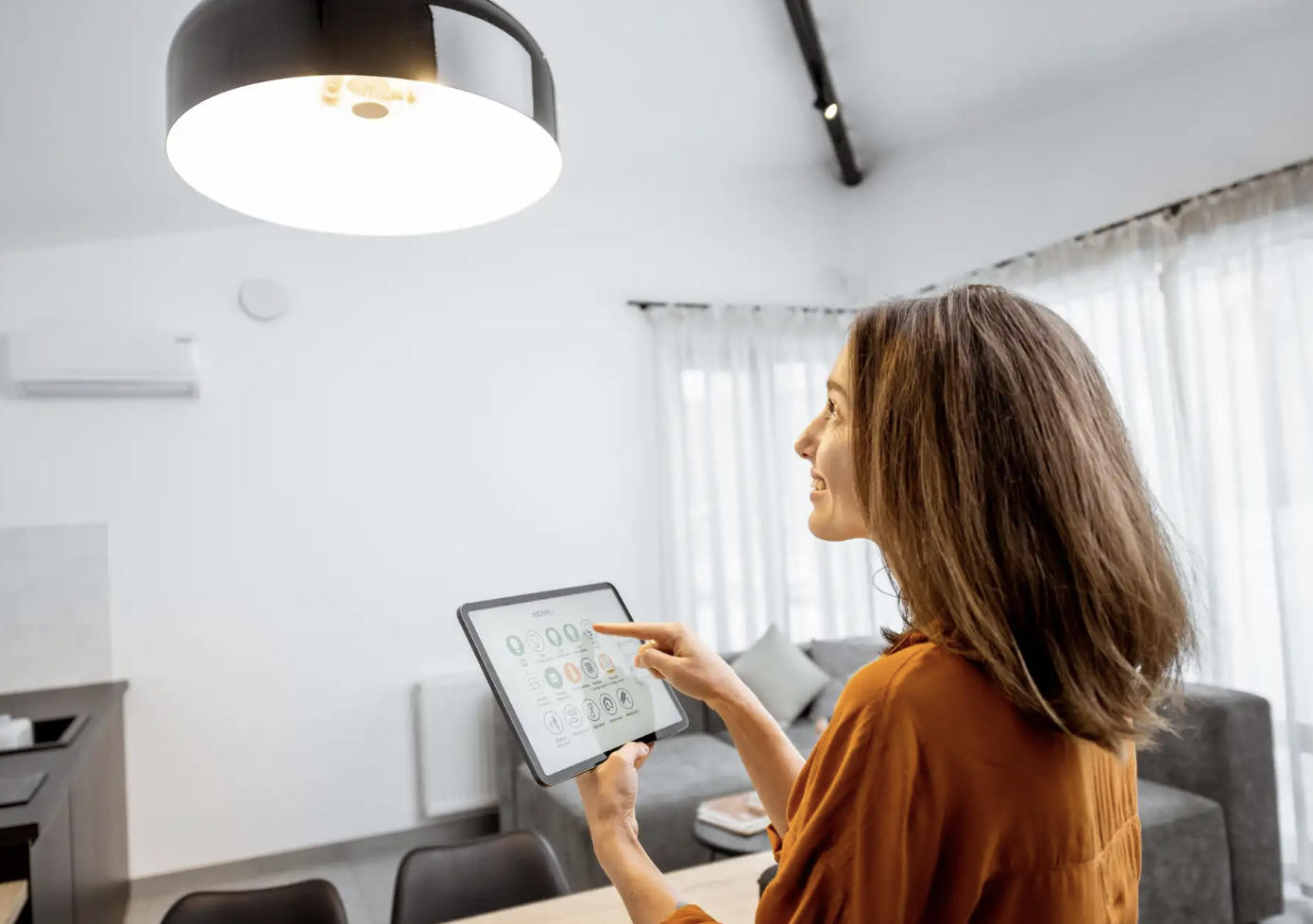
Smart lighting systems transform how spaces function and feel. They offer remote control, automation, and energy efficiency. Moreover, they improve comfort and productivity in any environment. You can adjust brightness, color, and schedules easily. As a result, users gain complete lighting control.
Identify Your Lighting Needs First
Start by defining your purpose clearly. For example, home lighting focuses on comfort and mood. Meanwhile, office lighting supports focus and efficiency. Consider room size and layout carefully. Also, think about daily usage patterns. Therefore, your needs shape the ideal system.
Choose Between Bulbs, Switches, or Full Systems
Smart bulbs are simple and flexible options. They work well in smaller setups. On the other hand, smart switches control multiple fixtures. Full systems offer complete automation and integration. Consequently, your choice depends on scale and complexity.
Check Compatibility with Existing Devices
Compatibility plays a crucial role in performance. Ensure the system works with your current fixtures. Additionally, confirm support for your smartphone or tablet. Many systems also integrate with voice assistants. Thus, seamless operation becomes easier.

Consider Connectivity Options
Smart lighting uses Wi-Fi, Bluetooth, or hubs. Wi-Fi systems provide remote access without extra hardware. However, they may strain your network. Bluetooth works well for small areas. Meanwhile, hub-based systems offer stability and expansion. Therefore, select based on reliability needs.
Evaluate Control Features and Apps
User-friendly apps enhance the experience. Look for intuitive controls and customization options. For instance, scheduling and dimming features are essential. Furthermore, scene creation adds flexibility. As a result, you can tailor lighting to your lifestyle.
Focus on Energy Efficiency
Energy efficient lighting reduces electricity costs. LED based smart systems consume less power. In addition, automation prevents unnecessary usage. Motion sensors and timers increase savings. Hence, efficiency benefits both homes and offices.
Assess Installation Requirements
Some systems require professional installation. Others offer simple plug and play setups. For example, smart bulbs install easily. However, switches may need wiring knowledge. Therefore, consider your technical comfort level.
Look for Scalability and Expansion
Choose a system that grows with your needs. You may start small and expand later. Moreover, scalable systems support additional devices easily. This flexibility ensures long-term usability. Consequently, you avoid frequent replacements.
Compare Costs and Budget Wisely
Smart lighting varies in price significantly. Basic options are affordable and practical. Advanced systems cost more but offer extra features. Additionally, factor in installation and maintenance costs. Thus, balance features with your budget.
Check Security and Data Privacy
Security remains an important factor. Ensure the system uses encryption for data protection. Also, review privacy policies carefully. Reliable brands offer regular updates. Therefore, your data stays safe.
Explore Customization and Automation
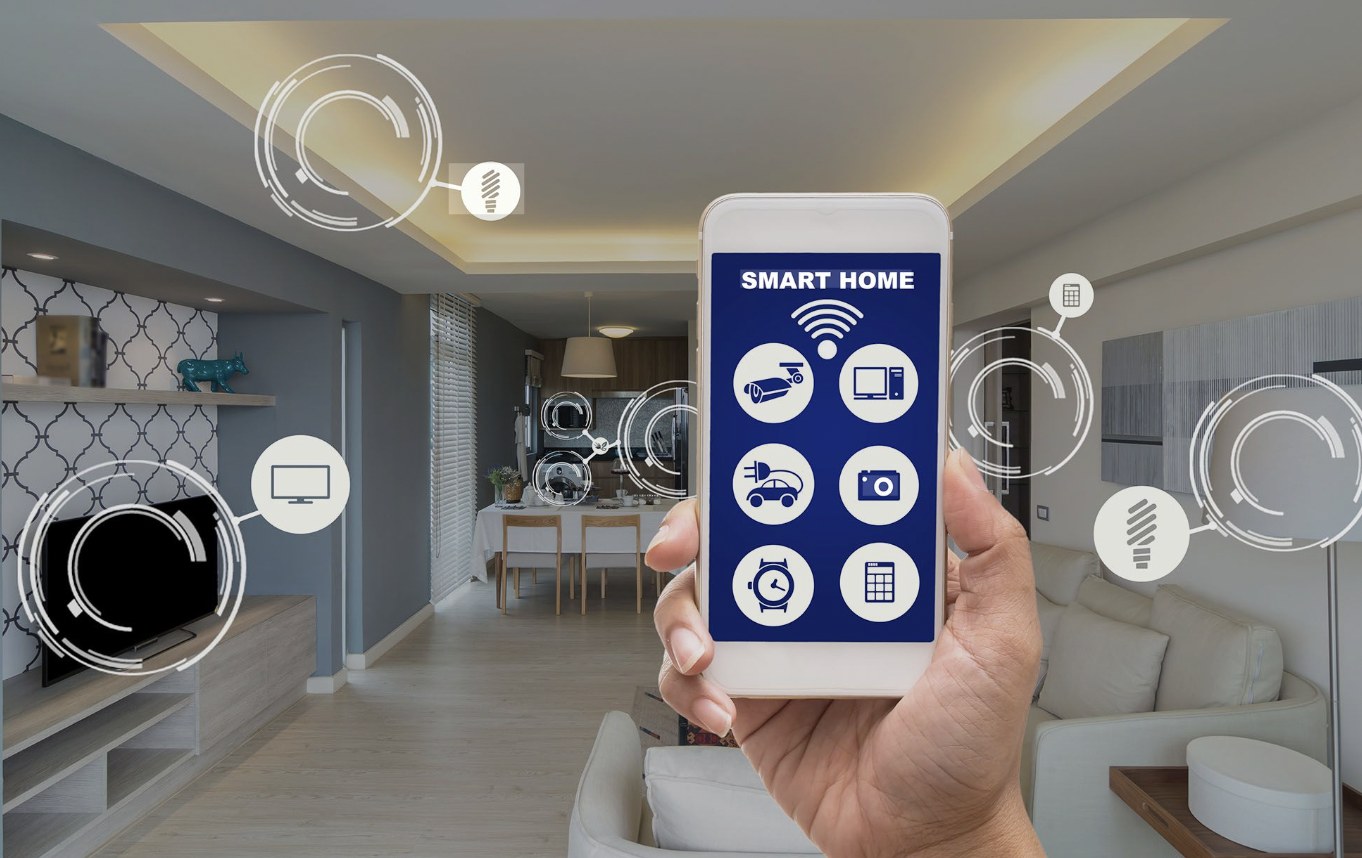
Automation enhances convenience and efficiency. For example, lights can turn on at sunset. Similarly, they can adjust based on occupancy. Custom scenes create the perfect ambiance. As a result, your environment becomes more dynamic.
Read Reviews and User Feedback
User reviews reveal real world performance. They highlight strengths and weaknesses clearly. Additionally, feedback helps avoid poor quality systems. Therefore, research before making a decision.
Consider Design and Aesthetic Appeal
Lighting impacts visual appeal significantly. Choose designs that match your interior style. Modern systems offer sleek and minimal looks. Furthermore, color changing options add creativity. Hence, aesthetics matter alongside functionality.
Test Customer Support and Warranty
Reliable support ensures a smooth experience. Check warranty coverage before buying. Additionally, responsive customer service helps resolve issues quickly. Therefore, prioritize brands with strong support.
Final Thoughts on Choosing Smart Lighting
Selecting the right smart lighting system requires careful planning. Focus on your needs, budget, and compatibility. Moreover, prioritize efficiency and ease of use. With the right choice, you enhance comfort and productivity. Ultimately, smart lighting transforms any space effectively.
Also Read: Smart Devices: Transforming Modern Living Through Intelligent Technology