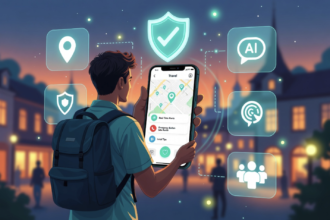

Traveling is one of life’s most enjoyable and rewarding experiences, but even the best-planned trips can come with unexpected setbacks. Issues like flight delays, misplaced luggage, overspending, or safety concerns can quickly disrupt your plans and add unnecessary stress. Fortunately, with a little preparation and smart decision-making, many of these common travel challenges can be avoided, helping you enjoy a smoother, safer, and more memorable journey.
Plan Your Trip Well in Advance
One of the biggest travel mistakes is waiting until the last minute to organize important details. Early planning helps us secure better prices, choose ideal accommodations, and create a realistic itinerary.
Before departure, we should:
- Research our destination thoroughly.
- Check local laws and customs.
- Verify visa requirements.
- Review weather forecasts.
- Book flights and accommodations early.
A well-organized travel plan reduces uncertainty and minimizes the risk of unexpected complications.
Before finalizing your itinerary, review the latest travel requirements, safety information, and destination updates through the official Travel Planning Guide to ensure a smooth and well-prepared journey.
Keep Important Documents Safe
Lost passports, visas, and travel documents are among the most stressful travel problems. To avoid this situation, we should always make multiple copies of essential documents.
Important documents include:
- Passport
- Visa
- Travel insurance
- Flight tickets
- Hotel reservations
- Identification cards
Store digital copies in secure cloud storage and keep printed copies in separate bags. If a document is lost, having backups can significantly speed up the recovery process.
Purchase Comprehensive Travel Insurance
Travel insurance is often overlooked, yet it provides valuable protection against unexpected events. Medical emergencies, trip cancellations, delayed flights, and lost baggage can result in substantial expenses.
A good travel insurance policy should cover:
- Medical treatment abroad
- Emergency evacuation
- Trip interruption
- Lost luggage
- Flight delays
- Personal liability
Travel insurance provides valuable financial protection and helps you travel with greater confidence and peace of mind.
Arrive Early for Flights and Transportation
Missing a flight, train, or bus can disrupt an entire travel schedule. Airports have become increasingly busy, making early arrival more important than ever.
Recommended arrival times:
- Domestic flights: At least 2 hours early
- International flights: At least 3 hours early
- Train stations: 30–60 minutes early
- Bus terminals: 30 minutes early
Allowing extra time helps us handle security checks, traffic delays, and unexpected queues without unnecessary stress.
Pack Smart and Avoid Overpacking
Overpacking creates inconvenience, additional baggage fees, and difficulty moving between locations. Packing strategically helps travelers stay organized and flexible.
Useful packing strategies include:
Create a Packing Checklist
A checklist ensures that no essential items are forgotten while preventing unnecessary packing.
Use Packing Cubes
Packing cubes help organize clothing and maximize luggage space.
Pack Versatile Clothing
Choose clothing items that can be mixed and matched for different occasions and weather conditions.
Keep Essentials in Carry-On Luggage
Carry essential items such as:
- Medications
- Electronics
- Chargers
- Travel documents
- Change of clothes
This preparation becomes invaluable if checked baggage is delayed.
Protect Yourself Against Lost Luggage
Lost baggage remains a common travel issue worldwide. While airlines usually recover misplaced luggage, delays can still cause inconvenience.
To minimize problems:
- Label bags clearly.
- Use unique luggage tags.
- Take photos of your luggage.
- Keep valuables in carry-on bags.
- Use GPS luggage trackers when possible.
These simple precautions improve the chances of quickly locating missing baggage.
Monitor Your Budget Carefully
Unexpected expenses can quickly ruin a travel experience. Establishing a realistic budget before departure helps prevent overspending.
Travel budgets should include:
- Transportation
- Accommodation
- Food
- Activities
- Emergency funds
- Shopping expenses
Using budgeting apps and tracking expenses daily helps maintain financial control throughout the trip.
If you’re looking to reduce travel expenses without sacrificing comfort, don’t miss our Ultimate Guide: Travel Hacks to Save Money on Your Next Trip, packed with practical strategies for budget-friendly travel.
Avoid Currency Exchange Mistakes
Many travelers lose money through poor exchange rates and unnecessary fees.
To maximize value:
- Exchange some money before departure.
- Use reputable exchange providers.
- Avoid airport exchange counters when possible.
- Inform your bank about travel plans.
- Carry multiple payment methods.
Having a combination of cash and cards ensures flexibility and security.
Stay Connected During Travel
Communication issues can create significant challenges, especially during emergencies.
Before departure:
- Purchase an international roaming plan.
- Consider a local SIM card.
- Download offline maps.
- Save emergency contacts.
- Install useful travel apps.
Reliable connectivity makes navigation, bookings, and communication much easier.
Research Local Transportation Options
Transportation confusion often wastes valuable vacation time. Understanding local transit systems before arrival helps us move efficiently.
Research:
- Airport transfer options
- Public transportation routes
- Taxi services
- Ride-sharing apps
- Train schedules
Knowing transportation choices in advance reduces stress and prevents costly mistakes.
Protect Personal Safety
Wherever your journey takes you, keeping safety in mind is essential for a worry-free travel experience.
Basic safety practices include:
- Avoid displaying valuables.
- Stay aware of surroundings.
- Use secure accommodations.
- Keep emergency contacts accessible.
- Follow local guidance and regulations.
Simple awareness significantly reduces travel risks.
Be Prepared for Health Emergencies
Health issues can arise unexpectedly while traveling. Preparing a travel health kit helps address minor medical concerns quickly.
Recommended items include:
- Prescription medications
- Pain relievers
- Bandages
- Hand sanitizer
- Motion sickness medication
- Basic first-aid supplies
Research nearby hospitals and healthcare facilities before arrival for added preparedness.
Manage Flight Delays and Cancellations Effectively

Flight disruptions are among the most common travel frustrations. While we cannot prevent delays, we can prepare for them.
Helpful strategies include:
- Monitoring flight status regularly.
- Downloading airline apps.
- Keeping snacks and water available.
- Carrying entertainment options.
- Understanding airline compensation policies.
Preparation helps reduce inconvenience during unexpected delays.
Use Technology to Improve Travel Experiences
Modern travel technology provides valuable tools for avoiding common problems.
Useful travel apps include:
Navigation Apps
Offline maps help travelers navigate unfamiliar areas without internet access.
Translation Apps
Language barriers become easier to manage with real-time translation tools.
Expense Tracking Apps
Budget monitoring apps prevent overspending.
Travel Planning Apps
These apps organize bookings, itineraries, and travel schedules in one place.
Technology can simplify nearly every aspect of modern travel.
Respect Local Culture and Customs
Cultural misunderstandings can create unnecessary difficulties. Taking time to learn basic etiquette demonstrates respect and enhances interactions with locals.
Research:
- Appropriate dress codes
- Greeting customs
- Tipping expectations
- Religious practices
- Social norms
Cultural awareness improves travel experiences and fosters positive connections.
Create a Flexible Itinerary
While planning is important, excessive scheduling can create stress. Unexpected opportunities and delays are common during travel.
A balanced itinerary should include:
- Major attractions
- Rest periods
- Backup activities
- Free exploration time
Flexibility allows us to adapt comfortably when circumstances change.
Keep Emergency Contacts Accessible
Every traveler should maintain a list of emergency contacts both digitally and physically.
Important contacts include:
- Family members
- Local emergency services
- Embassy or consulate information
- Travel insurance provider
- Accommodation contact details
Quick access to emergency information can be invaluable during unexpected situations.
Prepare for Weather Changes
Weather can significantly impact travel plans. Checking forecasts regularly and packing accordingly prevents discomfort and disruptions.
Bring:
- Rain protection
- Sun protection
- Appropriate footwear
- Seasonal clothing layers
Being prepared for changing weather conditions ensures greater comfort throughout the trip.
Final Thoughts on Avoiding Common Travel Problems
Successful travel depends on preparation, flexibility, and awareness. By organizing documents, managing budgets, protecting personal safety, securing travel insurance, and planning transportation carefully, we can avoid most common travel problems before they occur. Thoughtful preparation transforms potential obstacles into manageable situations, allowing us to focus on enjoying new destinations, creating unforgettable memories, and experiencing the true joy of travel.
Frequently Asked Questions
What is the most common travel problem travelers face?
Flight delays, lost luggage, and document-related issues are among the most common travel problems. Proper planning, early airport arrival, and keeping document backups can significantly reduce these risks.
How can I avoid losing important travel documents?
Store digital copies in secure cloud storage, carry printed copies separately, and use a travel document organizer. Keeping backups makes replacement much easier if originals are lost.
Why is travel insurance important for international trips?
Travel insurance provides protection against medical emergencies, trip cancellations, baggage loss, and travel disruptions. It helps travelers avoid unexpected financial burdens during their journey.
How much emergency money should I carry while traveling?
A good practice is to keep enough emergency funds to cover several days of accommodation, food, and transportation. Carry a mix of cash, credit cards, and digital payment options for maximum flexibility.