
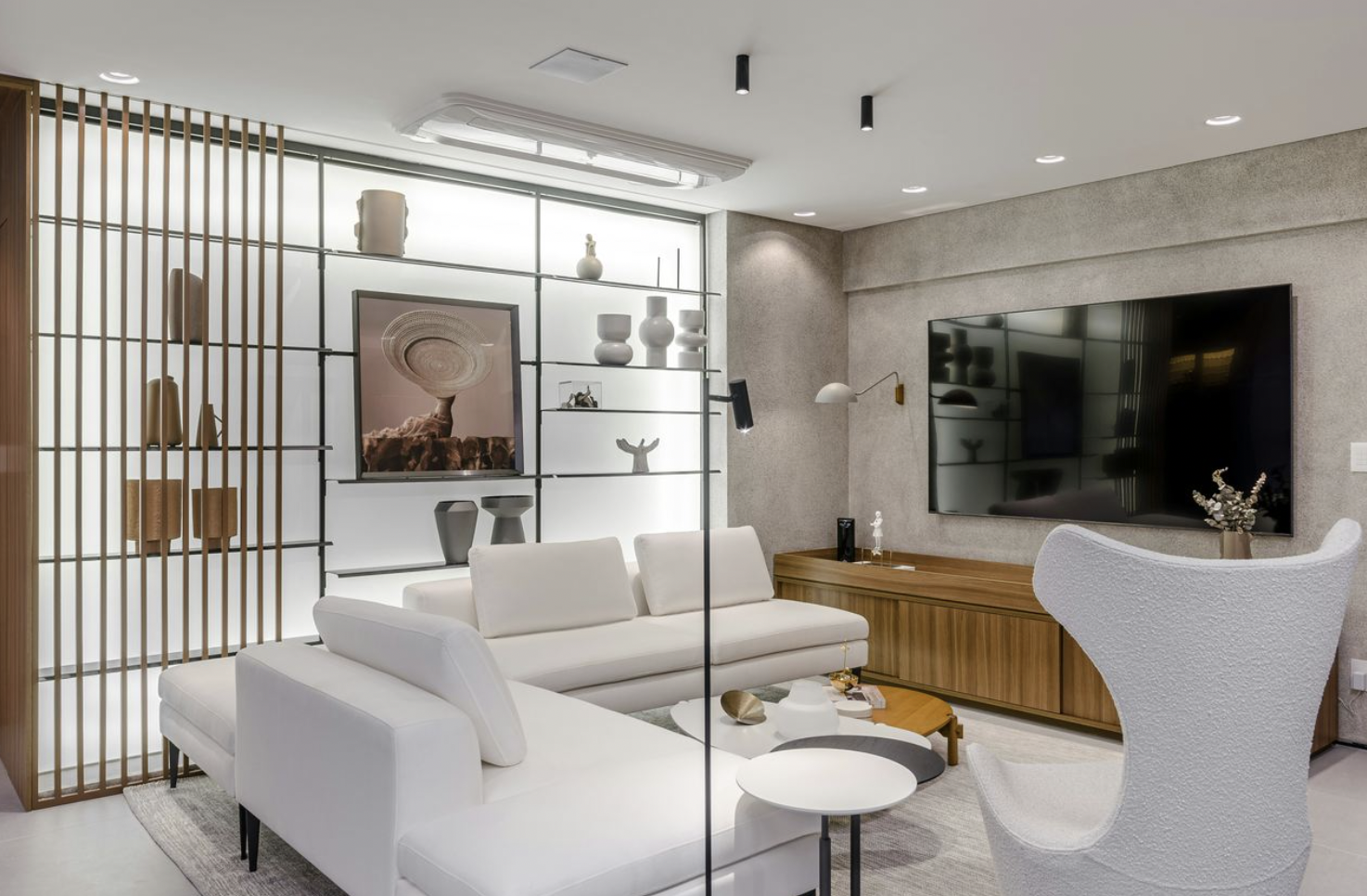
True luxury in interior design emerges from meticulous attention to detail, refined simplicity, and an unwavering commitment to quality. True refinement is not announced through excess but revealed through textures that invite touch, materials that communicate permanence, and comfort that feels effortless. We approach luxury interior design as a discipline where every surface, fabric, and finish contributes to an atmosphere of calm sophistication.
This article explores how textures and comfort define contemporary luxury interiors, forming environments that are visually balanced, emotionally grounding, and unmistakably high-end.
Texture as the Language of Luxury Spaces
Texture is the silent language of luxury. It is what transforms a visually appealing interior into a space that feels complete and immersive. In high-end interiors, texture is never accidental; it is curated to create depth, contrast, and harmony.
Luxury design relies on the interaction between:
-
Smooth and tactile surfaces
-
Matte and reflective finishes
-
Structured and fluid materials
These combinations prevent monotony and elevate spatial perception. Texture adds nuance, allowing interiors to feel layered and intentional without relying on ornamentation.
Material Integrity and Sensory Authenticity
The foundation of luxury interiors lies in material integrity. Authentic materials offer sensory richness that synthetic alternatives cannot replicate. We prioritize materials that feel substantial, age beautifully, and retain their character over time.
Commonly used materials in luxury interiors include:
-
Natural stone with subtle veining and honed finishes
-
Solid hardwoods with visible grain and warm undertones
-
Premium metals such as brushed brass and aged bronze
-
Natural textiles that breathe and soften with use
These materials bring honesty and depth to interiors, reinforcing a sense of permanence and understated elegance.
Textile Layering for Elevated Comfort
Comfort in luxury interiors is achieved through thoughtful textile layering. Soft furnishings soften architectural lines and introduce warmth, transforming structured spaces into welcoming environments.
Luxury interiors often incorporate:
-
Dense, hand-finished area rugs
-
Upholstery with refined textures and durable fibers
-
Cushions and throws that enhance seating comfort
-
Tailored drapery that frames light and movement
Layered textiles create visual rhythm and tactile comfort, allowing spaces to feel curated yet relaxed.
Comfort as a Design Philosophy
In luxury interiors, comfort is not an afterthought; it is a design philosophy. Comfort is achieved through proportion, material choice, and spatial flow rather than excess padding or visual clutter.
We design interiors that:
-
Support natural movement
-
Encourage relaxation and focus
-
Balance openness with intimacy
-
Reduce visual and sensory noise
Textures play a vital role in this philosophy by softening transitions and creating a sense of emotional ease within the space.
Minimalism Enhanced by Texture
Modern luxury often embraces minimalism, but minimal design demands greater attention to texture. Without bold colors or decorative excess, texture becomes the primary tool for expression.
In minimalist luxury interiors, texture is introduced through:
-
Tonal material variations
-
Subtle surface finishes
-
Handcrafted architectural details
-
Soft contrasts within neutral palettes
This approach ensures that minimalist spaces feel warm, refined, and engaging rather than cold or impersonal.
Architectural Surfaces and Textural Depth
Walls, ceilings, and floors offer opportunities to introduce architectural texture that defines luxury interiors. Rather than relying solely on color, high-end spaces incorporate surfaces that add dimension and character.
Popular architectural textures include:
-
Hand-applied plaster finishes
-
Wood slats and paneling
-
Textured stone cladding
-
Fabric-wrapped wall systems
These surfaces enrich spatial experience and contribute to a cohesive design narrative.
Furniture as a Tactile Statement
Luxury furniture is designed to be experienced, not just admired. The tactile quality of furniture defines how a space is used and remembered.
High-end furniture emphasizes:
-
Refined ergonomics for long-term comfort
-
Upholstery with depth and resilience
-
Precision craftsmanship and detailing
-
Balanced silhouettes that complement the architecture
Texture enhances furniture’s presence, transforming functional pieces into anchors of comfort and style.
Light Revealing Texture
Lighting plays a critical role in expressing texture within luxury interiors. Proper illumination reveals surface details and enhances material richness.
Luxury interiors utilize:
-
Layered lighting for depth and balance
-
Indirect lighting to soften textures
-
Accent lighting to highlight materials
-
Natural light filtered through textured fabrics
The interaction between light and texture creates dynamic interiors that evolve throughout the day.
Acoustic Softness Through Material Choice
Quietness is a defining characteristic of luxury. Textural elements contribute significantly to acoustic comfort by absorbing sound and reducing reverberation.
Soft materials such as rugs, upholstered panels, and drapery enhance sound quality while maintaining visual refinement. This creates interiors that feel calm, private, and insulated from external distractions.
Timeless Luxury Through Enduring Textures
Trends may influence color palettes and styling, but texture remains timeless. Interiors designed with enduring materials and balanced textures maintain relevance across changing tastes.
We focus on:
-
Longevity over novelty
-
Craftsmanship over trend-driven finishes
-
Neutral foundations enhanced by texture
This approach ensures that luxury interiors retain their sophistication and comfort for years to come.
Conclusion: The Essence of Texture and Comfort in Luxury Interiors
Luxury interiors are defined by how they feel as much as how they appear. Through thoughtful use of texture, high-quality materials, and comfort-driven design, we create spaces that support well-being and reflect refined living.
Textures bring warmth, depth, and authenticity to interiors, while comfort ensures that luxury is experienced daily, not just observed. Together, they form the foundation of interiors that are elegant, inviting, and enduring.