
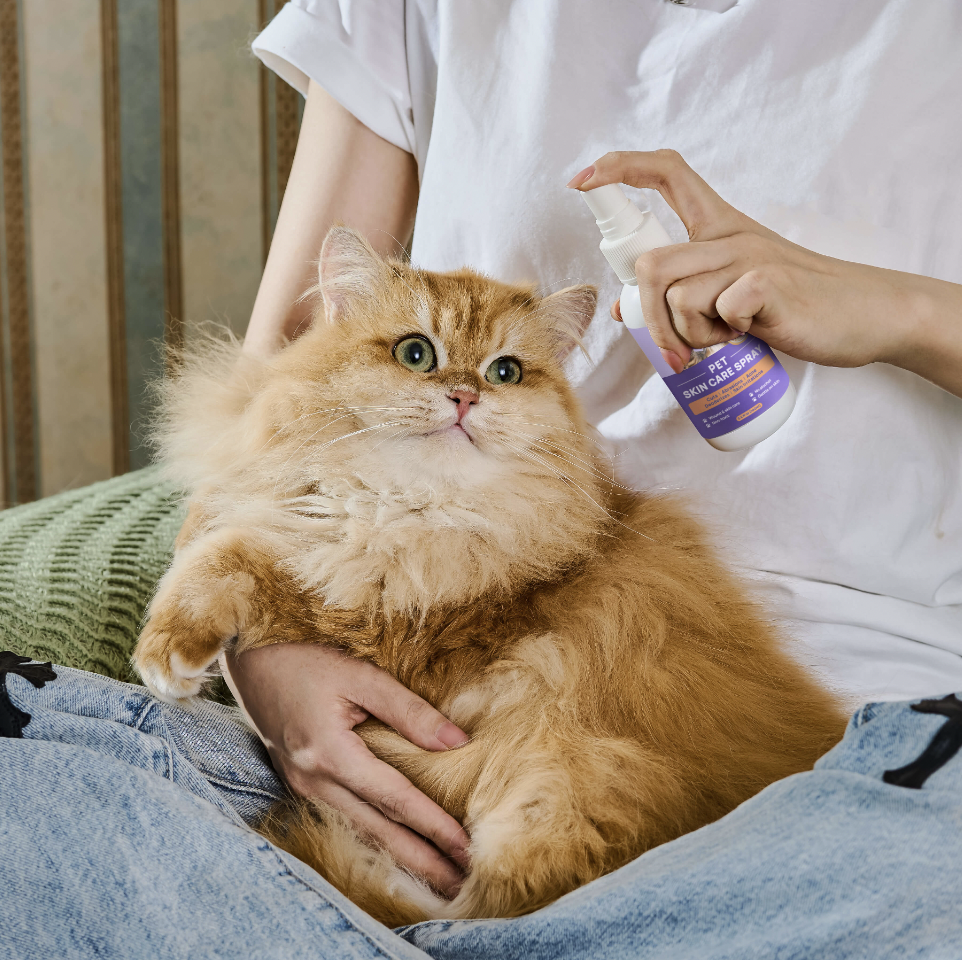
Understanding Cat Skin Care Basics
Maintaining your cat’s skin health is vital to its overall wellness. Untreated skin problems may cause irritation or infections, leading to discomfort. While cats naturally groom themselves, they still benefit from extra care. Providing a balanced diet along with a consistent grooming routine helps ensure their coat remains soft, shiny, and healthy.
Common Cat Skin Problems
Cats may develop allergies, parasites, or dry skin. Fleas cause itching, redness, and hair loss. Food allergies can trigger rashes and constant scratching. Stress can lead to over-grooming and bald patches. Therefore, it is important to monitor your cat’s skin regularly.
Best Diet for Skin Health
Nutrition directly affects skin condition. Omega‑3s play a vital role in nourishing the skin while helping to calm inflammation. High-quality protein helps repair damaged skin cells. Avoid low-quality food that contains fillers and artificial ingredients. Choose a balanced diet that supports overall health.
Regular Grooming Routine
Grooming helps remove loose fur and prevents mats from forming. It also stimulates blood flow, which supports skin health. Brush your cat at least twice a week. Long-haired cats may need daily brushing to avoid tangles. Always check for bumps or wounds while grooming.
Bathing Tips for Cats
Most cats do not need frequent baths, but some situations require it. Use a shampoo made specifically for cats. Human shampoos can irritate their skin and strip natural oils. Keep the water warm and calm your cat during bathing. Dry them gently and keep them in a warm place afterward.
Hydration and Skin Health
Dehydration can cause dry, flaky skin. Make sure fresh water is always available. Providing a water fountain often motivates cats to drink more frequently. Wet food also helps increase water intake. This supports healthy skin and a glossy coat.
Parasite Prevention
Fleas and ticks can cause severe skin irritation. Use veterinarian-recommended treatments to prevent parasites. Check your cat’s fur weekly for any signs of infestation. Wash bedding and clean the living area regularly. A clean environment reduces the risk of parasites.
When to Visit the Vet
If your cat scratches constantly, you should consult a vet. Look for redness, scabs, or bald patches as warning signs. Sudden hair loss needs medical attention right away. Your vet can diagnose allergies or infections early. Early treatment helps prevent serious complications.
Seasonal Skin Care Tips
Skin issues may increase during winter due to dry indoor air. A humidifier can help maintain moisture levels. In summer, protect light-colored cats from sunburn. Monitor your cat’s skin during weather changes. Seasonal care keeps their coat healthy throughout the year.
Conclusion
Cat skin care is easy when you follow a routine. Proper nutrition, grooming, and hydration keep your cat comfortable. Regular checkups help prevent major skin problems. With consistent care, your cat will have a healthy and shiny coat.