
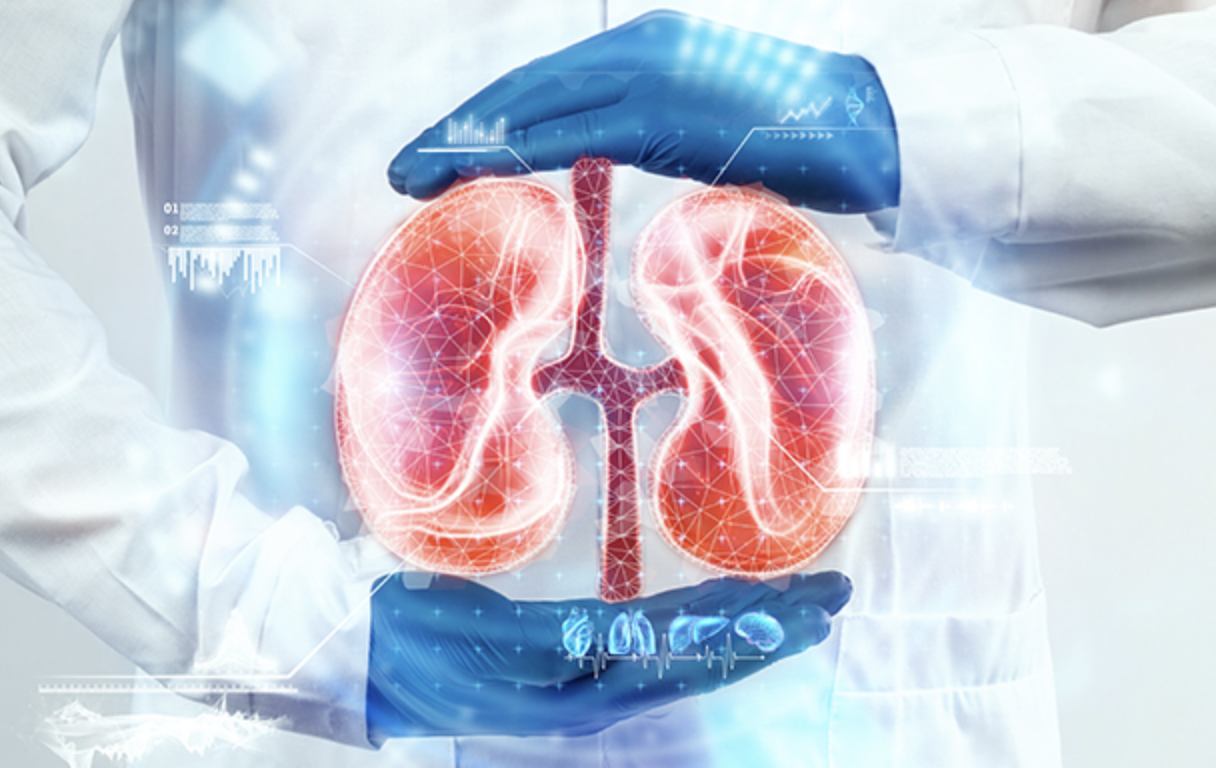
Introduction: The Silent Threat of Rising Temperatures
We are witnessing an era where extreme heat is no longer a seasonal inconvenience but a persistent global health risk. While heatstroke and dehydration are widely discussed, a far more dangerous and often overlooked consequence is kidney damage. The human body relies heavily on proper hydration and temperature regulation to maintain kidney function. When exposed to prolonged heat, this delicate balance is disrupted, leading to serious and sometimes irreversible kidney conditions.
For more insights on this issue, read the full report on Heatwave alert, Experts warn of rising kidney risks published by Samaa TV.
How Extreme Heat Impacts Kidney Function
The kidneys play a critical role in filtering waste, balancing fluids, and regulating electrolytes. Under extreme heat conditions, the body loses excessive fluids through sweat, which forces the kidneys to work harder.
Dehydration and Reduced Blood Flow
When dehydration sets in, blood volume decreases, reducing the flow of blood to the kidneys. This condition can lead to acute kidney injury (AKI), where the kidneys suddenly lose their filtering ability.
Electrolyte Imbalance
Heat stress disrupts essential electrolytes like sodium, potassium, and calcium, which are vital for kidney function. This imbalance can cause muscle breakdown and further strain on the kidneys.
Increased Risk of Kidney Stones
Chronic dehydration increases the concentration of minerals in urine, leading to the formation of painful kidney stones. These stones can block urinary flow and cause long-term damage if untreated.
Who Is Most at Risk?
Certain groups are more vulnerable to heat-related kidney damage. We must recognize these high-risk populations to prevent serious health outcomes.
Outdoor Workers
Individuals working in agriculture, construction, or manual labor face prolonged exposure to heat. Continuous sweating without adequate hydration can result in chronic kidney disease (CKD) over time.
Children and Elderly
Children have underdeveloped thermoregulation, while older adults often have reduced kidney function and lower thirst response, making them more susceptible to dehydration.
Athletes and Fitness Enthusiasts
Intense physical activity in hot conditions increases fluid loss and muscle breakdown, which can release toxins harmful to the kidneys.
People with Pre-existing Conditions
Those with diabetes, hypertension, or existing kidney issues are at a significantly higher risk of heat-induced complications.
Early Warning Signs of Heat-Related Kidney Damage
Recognizing early symptoms can help prevent severe complications. We must pay attention to the following signs:
- Dark or reduced urine output
- Persistent fatigue and dizziness
- Swelling in legs, ankles, or face
- Nausea and confusion
- Muscle cramps and weakness
Ignoring these symptoms can lead to rapid deterioration of kidney function.
The Link Between Climate Change and Kidney Disease
Rising global temperatures are contributing to an increase in heat-related kidney illnesses worldwide. Studies indicate that regions experiencing frequent heatwaves are seeing a surge in chronic kidney disease of unknown origin (CKDu).
This form of kidney disease is particularly alarming because it occurs without traditional risk factors, suggesting that environmental heat exposure is a major contributor.
Preventive Measures to Protect Kidney Health
We must take proactive steps to safeguard kidney health in extreme heat conditions. Prevention is not optional—it is essential.
Stay Consistently Hydrated
Drinking water regularly is the most effective defense. Do not wait until you feel thirsty. Aim for steady hydration throughout the day, especially in hot climates.
Avoid Peak Heat Hours
Limit outdoor activities during the hottest parts of the day, typically between 12 PM and 4 PM. If unavoidable, take frequent breaks in shaded or cool areas.
Wear Lightweight and Breathable Clothing
Clothing plays a role in regulating body temperature. Opt for light-colored, loose-fitting fabrics that allow proper airflow.
Monitor Urine Color
Urine color is a simple indicator of hydration. Light yellow indicates proper hydration, while dark yellow or amber signals dehydration.
Reduce Intake of Dehydrating Substances
Limit caffeine and alcohol, as they can increase fluid loss and strain the kidneys.
Hydration Strategies for High-Risk Individuals
For those at higher risk, standard hydration may not be enough. We must implement enhanced strategies.
Electrolyte Replacement
In addition to water, use oral rehydration solutions or electrolyte drinks to maintain mineral balance.
Scheduled Hydration
Set reminders to drink water at regular intervals. This is especially important for elderly individuals who may not feel thirsty.
Cooling Techniques
Use cooling methods such as wet towels, fans, or air conditioning to lower body temperature and reduce sweating.
Medical Interventions and When to Seek Help
Immediate medical attention is necessary if symptoms escalate. We must not delay intervention when warning signs appear.
Emergency Symptoms Include:
- Severe dehydration
- No urine output for extended periods
- Confusion or loss of consciousness
- Rapid heartbeat or breathing
Early treatment can prevent permanent kidney damage or failure.
Long-Term Consequences of Heat-Induced Kidney Damage
Repeated exposure to extreme heat can lead to chronic kidney disease, a condition that progressively worsens over time. This can eventually result in:
- Dependence on dialysis
- Need for kidney transplantation
- Reduced quality of life
The long-term burden on healthcare systems and individuals is significant, making prevention even more critical.
Workplace Safety and Policy Measures
Employers and policymakers must take responsibility for protecting individuals from heat exposure.
Mandatory Hydration Breaks
Workplaces should enforce scheduled hydration and rest breaks for outdoor workers.
Access to Clean Drinking Water
Adequate hydration facilities must be readily available in all work environments.
Heat Stress Training
Workers should be educated on recognizing early signs of heat-related illnesses and how to respond effectively.
Nutrition and Kidney Protection in Hot Weather
Diet plays a crucial role in maintaining kidney health during extreme heat.
Consume Water-Rich Foods
Fruits and vegetables like watermelon, cucumber, and oranges help maintain hydration.
Limit Salt Intake
Excess sodium can worsen dehydration and increase kidney strain.
Balanced Diet
A nutrient-rich diet supports overall kidney function and resilience against heat stress.
Conclusion: A Call for Awareness and Action
We are facing a growing health challenge where extreme heat is silently damaging kidney health across populations. The risks are real, widespread, and preventable. By prioritizing hydration, recognizing early symptoms, and adopting protective measures, we can significantly reduce the impact of heat on kidney function.
If you want to understand the deeper connection between hormonal changes and cardiovascular health, explore our detailed guide on how menopause impacts cholesterol, blood pressure, and heart function.
Awareness is the first step, but consistent action is what truly safeguards health. As temperatures continue to rise, we must remain vigilant and proactive in protecting one of the body’s most vital organs the kidneys.