
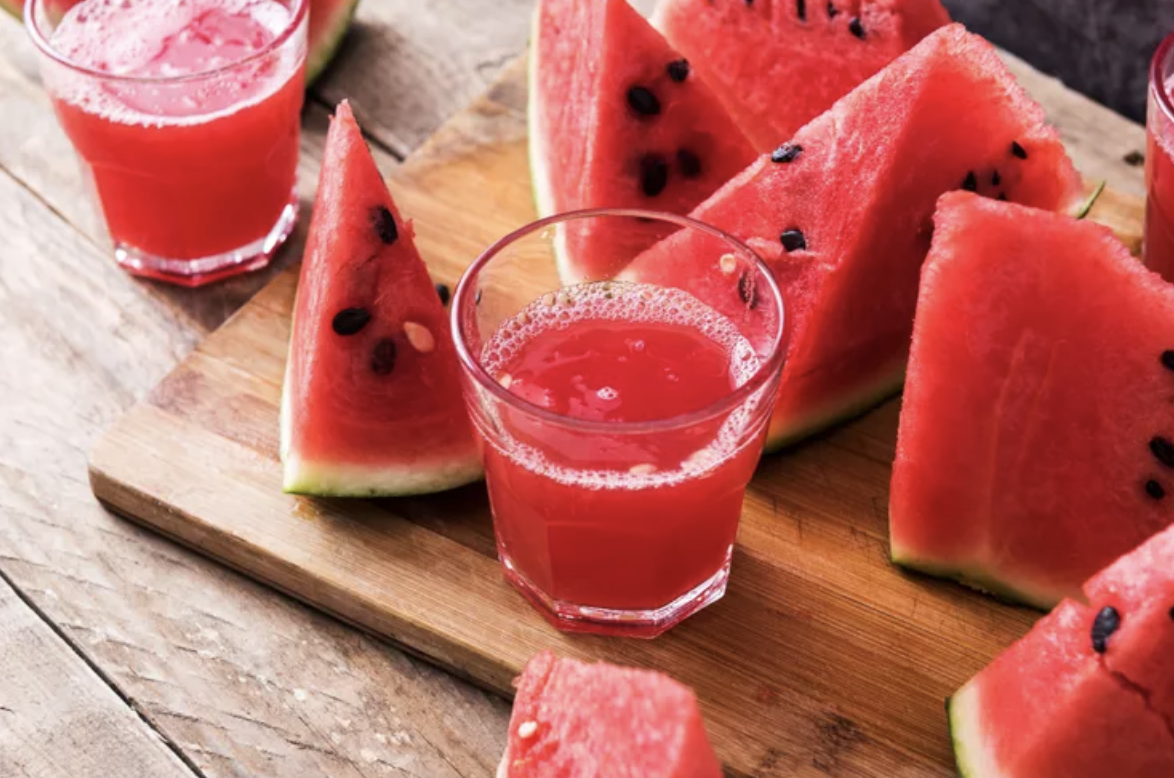
Watermelon, beloved for its refreshing sweetness, often sparks a common question: Does it spike blood sugar? The blood sugar response to whole vs juiced watermelon differs remarkably due to structural and nutritional changes between the two.
Before diving into the data jungle, it’s essential to understand what “glycemic response” means. This term refers to how quickly and significantly a food raises blood glucose after consumption. The rate depends on factors like fiber, water, and the food’s physical form, three elements that drastically change when you juice watermelon.
So, while both forms taste nearly identical, the way your body handles them is surprisingly different.
What Happens to Blood Sugar After Eating Whole Watermelon
When you eat a whole watermelon, your digestive system gets more than natural sugars. It receives a full package of fiber, water, and micronutrients that synergize beautifully.
The Role of Fiber in Glucose Regulation
A Whole watermelon isn’t rich in fiber compared to oats or apples, but it contains just enough to slow down sugar absorption. That modest fiber delays glucose entry into the bloodstream, creating a smoother, more controlled energy release rather than a sudden spike.
Fiber works like a gatekeeper; it tells sugar, “Easy, take turns entering.” This moderation protects insulin balance and helps avoid energy crashes later.
Water Content and Its Balancing Effect
Around 90% of a watermelon is water. That massive hydration factor dilutes the total sugar load per bite, reducing density and overall glycemic load (GL). When combined, fiber and water create a gentle metabolic curve rather than a roller-coaster ride.
How Juiced Watermelon Changes the Blood Sugar Equation
Juicing watermelon might seem like a fun shortcut to hydration, but that process takes away more than pulp. It strips the fruit of most fiber, the main buffer between sugar and the bloodstream.
Rapid Absorption of Sugars
Juiced watermelon behaves differently in your digestive system. Without fiber, sugars flow quickly into circulation. The result? A faster, higher blood sugar spike. This effect can feel energizing initially, but may end with a quick drop, leaving you hungry again sooner.
It’s like removing the speed bumps on a road, smoother ride for sugar, sure, but maybe too fast for steady energy.
Fiber Loss: The Missing Mediator
Fiber slows everything down. Juicing mutes that natural safeguard, meaning your pancreas has to work harder to release insulin quickly. Over time, frequent consumption of high-sugar, low-fiber juices may contribute to more insulin resistance in susceptible individuals.
If you adore the taste, it’s best enjoyed sparingly or paired with protein for balance.
Comparing Glycemic Index (GI) and Glycemic Load (GL)
Watermelon’s glycemic index is quite high, typically around 72-80, which might sound alarming. But GI alone doesn’t tell the full story.
The Science Behind the Numbers
The glycemic index (GI) measures how quickly a carbohydrate-rich food raises blood sugar on a scale of 0-100. The glycemic load (GL), however, accounts for both GI and portion size, offering a clearer real-life perspective.
Practical Example: Serving Comparisons
| Form | Portion Size | GI | GL | Blood Sugar Impact |
| Whole watermelon | 120g (1 cup cubes) | 76 | 5 | Mild |
| Juiced watermelon | 250ml (1 cup) | 80 | 10 | Moderate to high |
See how the GL doubles when juiced? That’s the power, and peril, of removing fiber.
The Role of Portion Size and Frequency
How much and how often you consume matters as much as what you consume. Eating a few cubes of whole watermelon after exercise is unlikely to cause concern. But sipping large glasses of juice throughout the day will raise glucose more dramatically and repeatedly. The trick is mindfulness without obsession, balance rather than restriction.
Nutrients Beyond Sugar: What Watermelon Offers
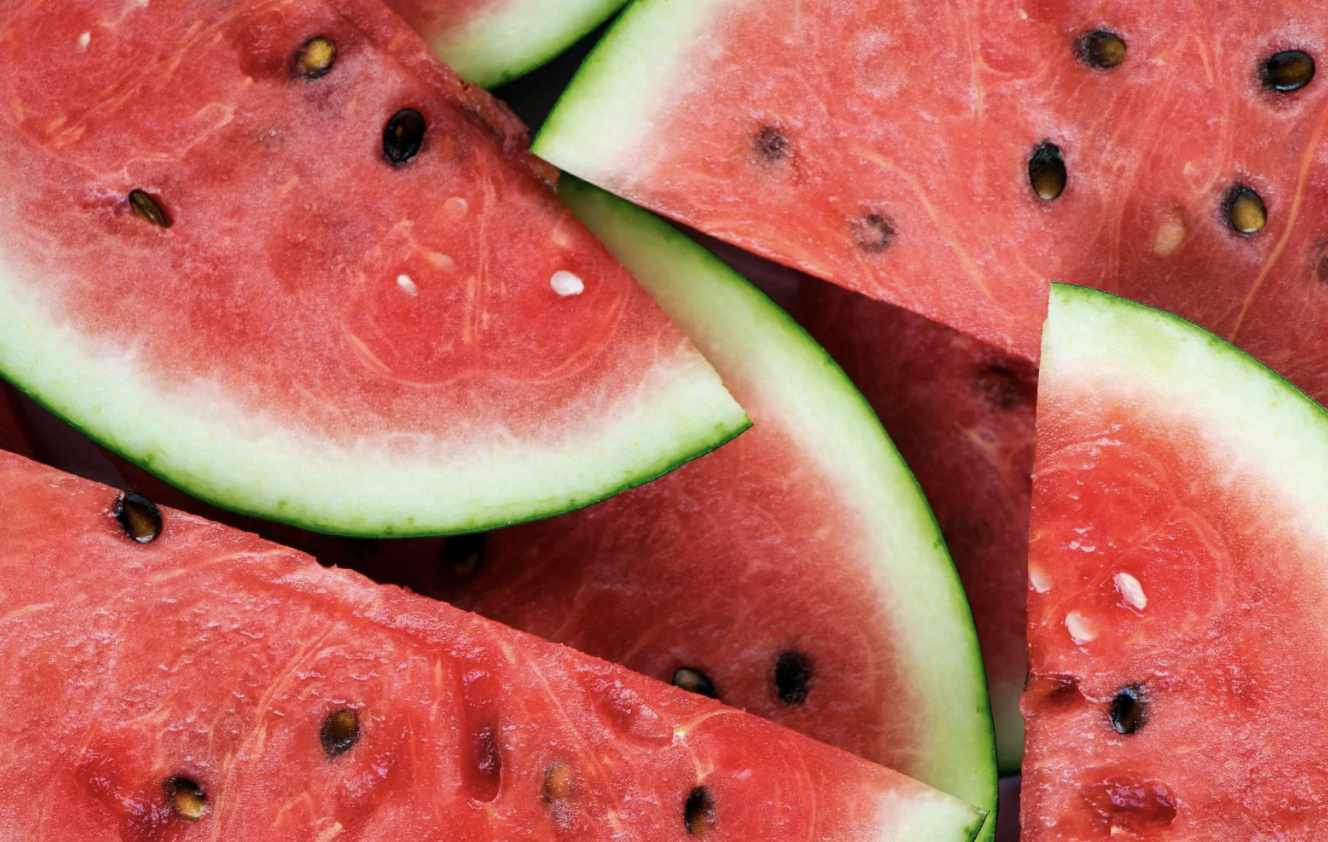
Despite its sweetness, watermelon is no nutritional lightweight. It’s loaded with compounds that contribute to long-term health.
Antioxidants and Amino Acids
It bursts with lycopene, the same antioxidant found in tomatoes, known for supporting heart and skin health. It also provides citrulline, an amino acid that aids blood vessel relaxation and circulation. These nutrients, particularly abundant in the red flesh, work subtly to protect the body from oxidative stress and inflammation.
Hydration and Electrolyte Balance
Watermelon is nature’s sports drink. It replenishes potassium, magnesium, and, of course, water. It’s a tasty way to rehydrate after physical activity without artificial additives.
Who Should Watch Watermelon Intake?
People with diabetes, insulin resistance, or metabolic syndrome benefit from monitoring portion sizes. While watermelon isn’t “off-limits,” its rapid sugar absorption, especially in juice form, can be tricky to manage. For most healthy individuals, moderate servings of whole watermelon fit perfectly into balanced diets.
Tips for Minimizing Blood Sugar Spikes
Even indulgence can be strategic.
Pairing with Protein and Fat
Combine watermelon slices with a handful of nuts, a serving of Greek yogurt, or a slice of cheese. Fat and protein delay digestion, smoothing glucose levels even further.
For more simple, natural ways to balance blood sugar and protect your heart, read our post on Reduce Blood Sugar and Improve Heart Health Naturally.
Portion Guidance
Stick to modest servings, about one cup of cubes or half a cup of juice at a time. Small portions maintain sweetness and nutrition without overwhelming metabolism.
The Verdict: Whole or Juiced Which Wins?
Between the two, whole watermelon clearly takes the prize. It’s slower to digest, gentler on blood sugar, and keeps you full longer due to minimal fiber and high water synergy. Juiced watermelon, while convenient, acts almost like a sugary drink, best as an occasional refreshment, not a habit.
For steady energy, consistent hydration, and nutrient diversity, the whole fruit always has the upper hand.
Conclusion
The body responds quite differently to whole versus juiced watermelon due to fiber and water content disparities. While juiced watermelon provides quick energy, it lacks the balancing properties that whole fruit offers. The ideal approach is to moderate, eat watermelon whole, savor it carefully, and enjoy its natural sweetness as nature intended.
For further reading on glycemic balance, the American Diabetes Association has a helpful resource on blood sugar management: american-diabetes-association.org.
FAQ’s
1. Is watermelon safe for diabetics?
Yes, in small portions. The Whole watermelon has a low glycemic load, making it safer than its high GI suggests.
2. Does watermelon juice hydrate better than water?
It hydrates well but contains sugar; water remains superior for pure hydration.
3. Are there any nutrients lost when juicing watermelon?
Yes, fiber, some vitamin C, and antioxidants degrade slightly through oxidation.
4. Can watermelon cause weight gain?
Unlikely. It’s low in calories but may increase appetite if consumed as juice due to sudden sugar absorption.
5. What’s better, post-workout whole or juiced watermelon?
The Whole watermelon is better for sustained hydration and recovery thanks to citrulline and balanced sugar release.
6. How often can one eat watermelon?
For most healthy individuals, 3-4 servings per week of the whole fruit fit perfectly in a balanced meal plan