Introduction: A Transformative Year in Pop Culture
We have witnessed a year where pop culture has evolved at an unprecedented pace, shaped by digital innovation, shifting audience preferences, and global connectivity. From the rise of immersive entertainment to the growing influence of social platforms, this year redefined how we consume, interact with, and shape culture. Each trend reflects not only entertainment but also broader societal changes, making this a landmark period in modern cultural history.
Explore how global fan engagement is evolving through international performances in our detailed guide, K-Pop International Tours 2026: Defining the Future of Music Trends, and discover what’s shaping the future of the music industry.
1. The Dominance of Short-Form Video Content
Short-form video content has become the primary driver of entertainment consumption. Platforms delivering bite-sized videos have reshaped storytelling, pushing creators to deliver impactful narratives within seconds.
We observe that:
- Attention spans have shortened, encouraging rapid, visually engaging content.
- Creators prioritize authenticity over production value.
- Viral trends now emerge and fade within days, not months.
This shift has influenced industries beyond social media, including marketing, music promotion, and even film production, where trailers and teasers are crafted to mimic short-form engagement patterns.
2. The Rise of AI-Driven Creativity
Artificial intelligence has transitioned from a background tool to a frontline creative force. Artists, writers, and musicians increasingly integrate AI into their workflows, producing content that blends human imagination with machine precision.
Key developments include:
- AI-generated art is gaining mainstream recognition.
- Automated music composition tools are reshaping the music industry.
- Scriptwriting assistance accelerates content production.
We are seeing a cultural shift where creativity is no longer limited by technical skill, allowing more individuals to participate in artistic expression.
3. Streaming Platforms Redefining Entertainment
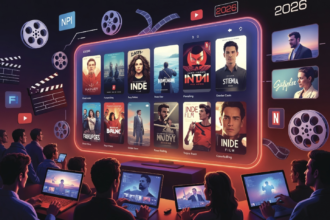
Streaming services continue to dominate, but this year marked a turning point where quality overtook quantity. Audiences are becoming more selective, favoring meaningful storytelling over endless content libraries.
Important changes include:
- A focus on limited series and high-production storytelling.
- Increased investment in international content, breaking language barriers.
- The decline of traditional television as streaming becomes the default.
This evolution reflects a more mature audience that values depth, originality, and cultural diversity.
4. Nostalgia as a Powerful Cultural Force
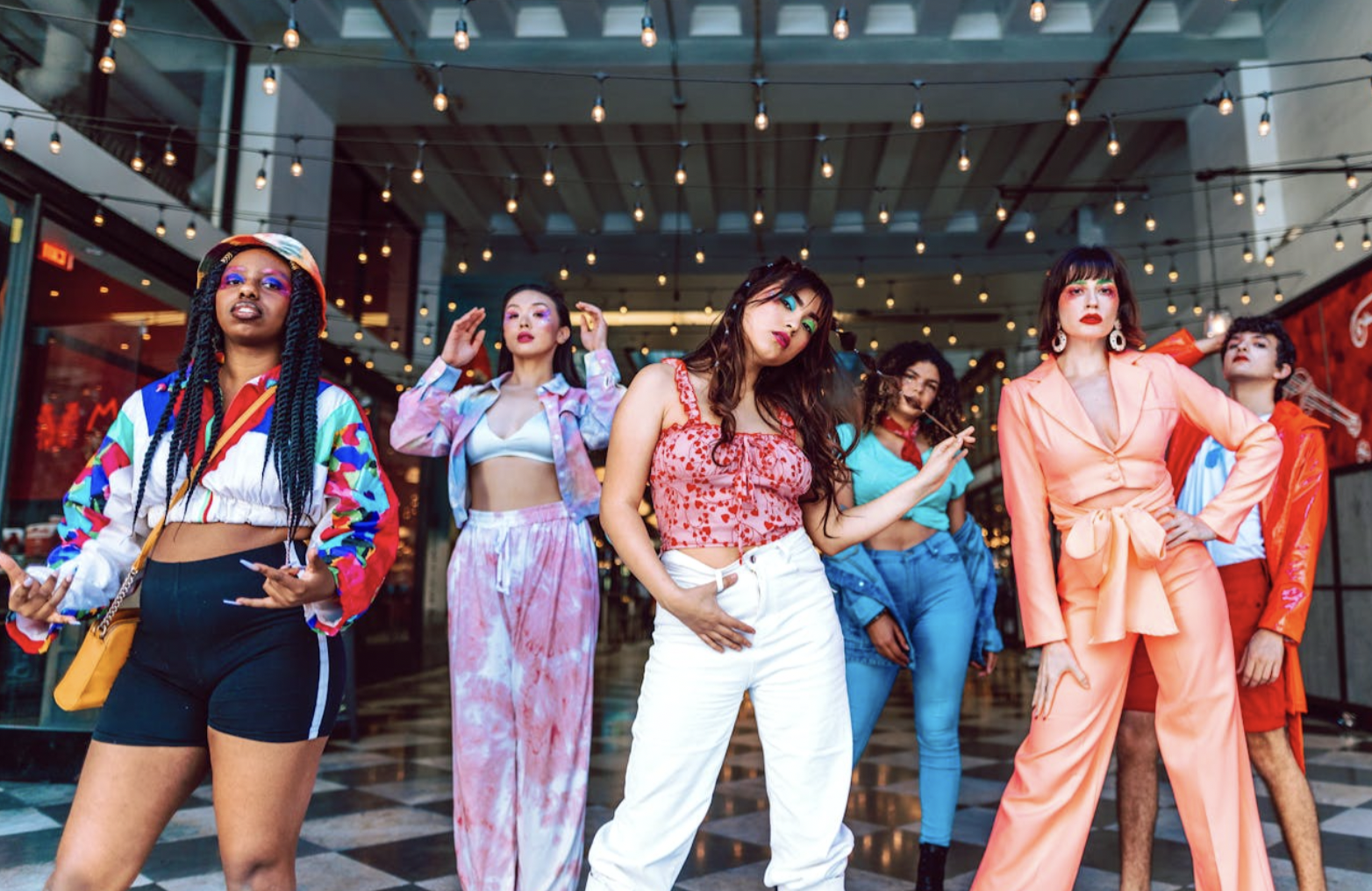
Nostalgia has emerged as one of the most influential trends, driving everything from fashion to entertainment. We have seen a resurgence of early 2000s aesthetics, retro gaming, and classic film remakes.
This trend thrives because:
- Audiences seek comfort and familiarity in uncertain times.
- Brands leverage nostalgia to create emotional connections.
- Younger generations reinterpret past styles, giving them a modern twist.
Nostalgia is no longer just a reflection of the past; it is a strategic tool shaping the present.
5. The Globalization of Pop Culture
Pop culture is no longer confined to specific regions. This year highlighted the global exchange of music, film, and fashion, creating a truly interconnected cultural landscape.
Notable aspects include:
- International music is dominating global charts.
- Foreign-language films achieving mainstream success.
- Cross-cultural collaborations becoming the norm.
We are experiencing a world where cultural boundaries are dissolving, allowing diverse voices to influence global trends.
6. Influencer Culture Becoming Mainstream Authority
Influencers have transitioned from niche personalities to powerful cultural authorities. Their impact now extends beyond social media into business, politics, and entertainment.
We observe that:
- Influencers are launching successful brands and businesses.
- Audiences trust peer-driven recommendations over traditional advertising.
- Micro-influencers are gaining traction due to higher authenticity and engagement.
This shift has redefined marketing, making personal connection and relatability more valuable than traditional celebrity endorsements.
7. The Evolution of Interactive and Immersive Experiences
Interactive experiences have taken center stage, transforming how audiences engage with content. From virtual reality to live digital events, we are seeing a move toward participatory entertainment.
Key innovations include:
- Virtual concerts are attracting millions of viewers.
- Interactive storytelling where audiences influence outcomes.
- The integration of gaming elements into mainstream media.
This trend signals a future where audiences are not just consumers but active participants in the cultural narrative.
The Impact of Social Movements on Pop Culture
Beyond entertainment, social awareness has significantly shaped pop culture this year. Issues such as equality, sustainability, and mental health have become central themes across the media.
We see:
- Brands aligning with social causes to remain relevant.
- Content creators addressing real-world challenges.
- Audiences demanding authentic representation and accountability.
Pop culture is increasingly becoming a platform for meaningful dialogue and change.
The Role of Technology in Shaping Cultural Trends
Technology continues to act as the backbone of modern pop culture. Innovations in digital tools, connectivity, and platforms have accelerated the spread of trends and ideas.
Major influences include:
- The expansion of 5G enables faster content consumption.
- Advanced algorithms curating personalized experiences.
- The blending of physical and digital realities.
We are entering an era where technology and culture are inseparable, each driving the evolution of the other.
Conclusion: A Year That Redefined Cultural Boundaries
This year stands as a defining moment in pop culture, marked by innovation, diversity, and rapid transformation. The trends we have explored reveal a world that is more connected, creative, and dynamic than ever before.
As we move forward, these developments will continue to shape how we create, consume, and experience culture. The boundaries between industries, regions, and audiences are fading, giving rise to a new era of global, interactive, and inclusive pop culture.