A theater full of people stood up to leave the moment the credits started rolling, missing the ninety-second scene that revealed exactly who was behind the film’s central mystery, a scene that recontextualized nearly everything they’d just watched. Word spread within hours. By the following weekend, that same theater had a sign posted at the entrance specifically warning audiences to stay seated. What started as a niche comic book movie tradition has become one of the more calculated pieces of modern film marketing, and audiences have adjusted their behavior in response.
Where the Post-Credit Scene Tradition Began
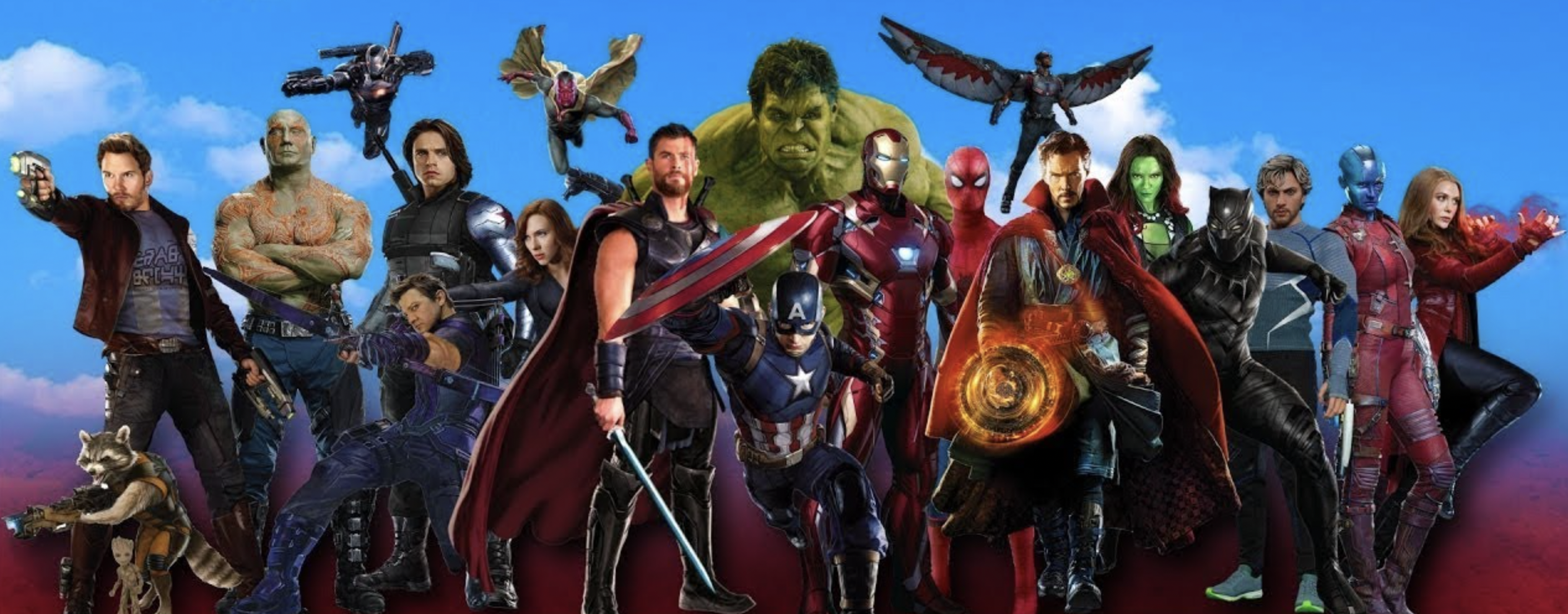
While post-credit scenes feel like a distinctly modern phenomenon, brief additional scenes or gags after a film’s credits have appeared sporadically for decades, often used for a final joke or a small piece of comic relief rather than any larger narrative purpose. The tradition as audiences recognize it today, tied specifically to franchise continuity and future installment teasers, became firmly established through a specific wave of superhero films that used these scenes deliberately to connect individual movies into a larger shared narrative universe, training audiences to expect and actively wait for them.
The Different Types of Post-Credit Scenes Studios Use
Not every post-credit scene serves the same purpose, and studios have developed several distinct categories depending on what they’re trying to accomplish.
- Teaser scenes that hint at a future film or character without revealing significant plot information
- Comedic tags that provide a final joke or lighthearted moment disconnected from the main narrative
- Bridge scenes that directly connect the current film’s ending to an upcoming, already-announced project
- Bonus scenes that add a small piece of additional character material without any larger franchise implications
Understanding which category a specific scene falls into helps explain why some post-credit scenes generate enormous online discussion while others are barely mentioned, since audience investment tracks closely with how much new, franchise-relevant information a given scene reveals.
Why Studios Have Embraced This Technique So Heavily
Post-credit scenes serve several strategic purposes for studios beyond simply rewarding patient audience members who stay in their seats.
- They generate social media discussion and online content specifically covering the revealed content after opening weekend
- They allow subtle audience testing for potential future storylines without committing to them in official marketing materials
- They reward and reinforce a specific audience behavior, staying through credits, that increases overall time spent engaging with a film’s ending
- They create a sense of ongoing narrative connectivity across multiple films, encouraging audiences to see a franchise as a continuing story
This last point has proven valuable for franchise-focused studios, since audiences invested in an ongoing narrative thread across multiple films tend to show up reliably for each new installment specifically to see how previously teased plot threads eventually get resolved.
How Post-Credit Scenes Have Changed Theater Behavior
The expectation of a post-credit scene has measurably altered how audiences behave during a film’s closing credits, a shift in moviegoing culture traceable to this specific storytelling technique.
- Audiences increasingly research in advance whether a specific film includes a post-credit scene before deciding whether to stay
- Theaters have adjusted staff practices around when to begin cleaning or resetting auditoriums between showings
- Social media spoiler culture around post-credit scenes has become its own distinct phenomenon, with dedicated spoiler warnings specifically for these scenes
- Some films have used the audience’s now-trained expectation to intentionally subvert it, including a scene early in the credits or no scene at all
This behavioral shift illustrates how a relatively small storytelling technique can reshape broader audience habits once it becomes widely expected across an entire genre of filmmaking.
The Risk of Post-Credit Scene Fatigue
As the technique has become nearly universal within certain genres, some critics and audiences have begun expressing fatigue with post-credit scenes that feel obligatory rather than earned by the story.
- Overuse across nearly every film within certain genres has diluted the novelty and impact these scenes once carried
- Some post-credit scenes are criticized for feeling like disconnected marketing exercises rather than meaningful narrative additions
- Audiences have grown more skeptical of scenes that tease future films without any real content or narrative substance
- A few filmmakers have deliberately avoided the technique specifically to distinguish their films from an oversaturated convention
This fatigue represents a tension for studios: the technique remains effective at generating discussion and franchise anticipation, but overuse risks training audiences to expect a payoff that increasingly disappoints when the revealed content doesn’t justify the wait.
How Streaming Has Changed the Post-Credit Scene Calculation
The shift toward streaming platforms as a primary viewing method has introduced new considerations for how post-credit scenes function compared to their traditional theatrical context.
- Streaming platforms sometimes automatically skip to a next episode or recommendation before a post-credit scene plays
- Viewers watching at home have less social pressure to remain seated through credits compared to a shared theater experience
- Some streaming-specific content has adjusted post-credit scene placement earlier in the credits to avoid automatic skip features
- Marketing for streaming-exclusive content sometimes explicitly reminds viewers to watch through credits, compensating for reduced natural incentive to do so
This platform shift has forced studios to reconsider a storytelling convention originally designed entirely around shared theatrical viewing behavior, adapting a fundamentally social tradition for an increasingly solitary, interruption-prone viewing environment.
What Post-Credit Scenes Reveal About Modern Franchise Filmmaking
The prevalence and evolution of post-credit scenes offers a useful window into broader trends in how modern studios approach franchise storytelling and long-term audience engagement strategies.
- The technique reflects a broader shift toward treating individual films as chapters within a larger, continuing narrative product
- Studios increasingly plan multiple future films simultaneously, using post-credit scenes to formally announce connections between them
- Audience appetite for this kind of interconnected universe storytelling has fluctuated over time, affecting how aggressively studios rely on the technique
- The technique’s effectiveness depends heavily on audience trust that teased future content will deliver on its implied promise
This dependency on audience trust is worth watching closely going forward, since franchises that have teased future storylines without delivering satisfying payoffs have seen audience enthusiasm for post-credit scenes specifically decline, even when overall interest in the franchise remains otherwise strong.
Why Certain Genres Use This Technique More Than Others
The prevalence of post-credit scenes varies enormously by genre, reflecting how well the technique fits different kinds of storytelling and audience expectations.
- Superhero and franchise-heavy genres rely on post-credit scenes far more than character-driven dramas or standalone stories
- Horror and comedy films sometimes use a brief post-credit gag disconnected from broader franchise continuity
- Animated family films occasionally include a bonus scene aimed specifically at rewarding attentive younger viewers
- Prestige and awards-focused films almost never use the convention, since it can undercut a deliberately crafted emotional ending
This genre-specific pattern reflects a broader truth about the technique: it works best within storytelling traditions already built around serialized, ongoing narrative expectations, and it tends to feel out of place when grafted onto a film designed to stand entirely on its own.
How Marketing Teams Coordinate Around Post-Credit Reveals
Post-credit scenes have become tightly coordinated marketing events in their own right, requiring careful planning well beyond the film’s actual production.
- Studios often keep post-credit scene content confidential even from some cast and crew until close to release
- Marketing teams prepare social media content ready to deploy the moment a scene’s reveal starts circulating publicly
- Some studios film multiple alternate post-credit scenes specifically to prevent early leaks from revealing the actual final choice
- Embargo agreements with reviewers frequently include specific restrictions on discussing post-credit content before a set release window
This level of coordination reflects how much value studios place on controlling the narrative around these reveals, treating them as a distinct marketing moment deserving its own dedicated planning separate from the film’s broader promotional campaign.
How International Audiences Respond Differently to This Convention
Post-credit scene culture varies across different international markets, reflecting broader differences in franchise filmmaking traditions and audience expectations outside the markets where the convention originated.
- Some international markets have been slower to adopt the habit of staying through credits, treating it as a distinctly imported convention
- Marketing campaigns in certain regions specifically educate audiences about a film’s post-credit content to build the same anticipation seen elsewhere
- Cultural differences in credits-viewing etiquette, including acknowledging crew contributions, sometimes intersect with post-credit scene expectations
- Streaming’s global reach has gradually standardized audience awareness of the convention across markets that adopted it more slowly
This international variation is a reminder that even a seemingly universal modern moviegoing habit spread unevenly across different film cultures, shaped by each region’s own franchise filmmaking history and theatrical viewing traditions.
What Film Historians Predict for the Technique’s Future
Film historians and industry analysts have offered varying predictions about whether post-credit scenes will remain a fixture of franchise filmmaking or eventually fade as audience tastes shift.
- Some predict continued reliance as long as shared-universe storytelling remains commercially successful for major studios
- Others suggest audience fatigue could eventually push studios toward more standalone storytelling less reliant on the convention
- A few point to streaming’s different viewing patterns as a factor likely to reshape how the technique gets used going forward
- Historical patterns in film convention shifts suggest gradual evolution rather than a sudden, complete abandonment of the technique
Whatever direction the convention takes next, its influence on how modern audiences understand franchise storytelling has already left a lasting mark on moviegoing habits that will likely persist even if the specific technique itself eventually evolves into something new.
How Fan Theories Shape Anticipation Around These Scenes
Online fan communities have developed an entire culture of speculation specifically around anticipated post-credit content, shaping anticipation well before a film even reaches theaters.
- Fan theories about likely post-credit reveals circulate widely in the weeks leading up to a major franchise release
- Some studios have acknowledged monitoring this fan speculation, occasionally adjusting marketing to preserve a surprise
- Accurate fan predictions sometimes spread widely enough to spoil a reveal before the film’s actual release
- This speculation culture has become its own self-sustaining source of pre-release engagement independent of official marketing
How Franchise Universes Handle Continuity Errors From These Scenes
Maintaining consistency across dozens of interconnected films creates continuity challenges that occasionally surface in post-credit scene content specifically.
- Films shot years apart sometimes create minor contradictions once later post-credit scenes attempt to connect them
- Dedicated continuity teams now review planned post-credit content specifically against the broader established timeline
- Fan communities are often quick to identify and discuss any resulting inconsistencies once new content reveals a discrepancy
- Some studios have addressed these errors retroactively through later films that quietly reconcile earlier contradictions
Post-Credit Scenes in Non-English Language Films
International franchise films outside major English-language studios have increasingly adopted post-credit scenes as well, suggesting the convention has spread well beyond its original context into a broadly recognized global filmmaking tool rather than remaining tied to any single national film industry.
How Video Game Franchises Have Adopted Similar End-Credit Content
The post-credit convention has crossed over into video games as well, with several major franchises now including a brief scene or cinematic after a game’s ending credits that teases a sequel or downloadable content. This crossover reflects how thoroughly the technique has become associated with franchise storytelling generally, rather than remaining specific to film, and it suggests audiences across different entertainment mediums have developed a similar expectation of staying engaged through what used to be considered a natural stopping point.
Post-Credit Scenes and Test Audience Reactions
Studios frequently screen multiple versions of a planned post-credit scene to test audiences before finalizing which one makes the theatrical release, treating audience reaction data with the same rigor applied to testing a film’s actual ending, given how much online conversation a poorly received reveal can generate.
Final Thoughts
Post-credit scenes have evolved from an occasional final joke into a calculated storytelling and marketing tool central to how modern franchise filmmaking operates, reshaping audience behavior in the process. Their continued effectiveness depends heavily on studios delivering on the narrative promises these scenes make, since audiences who feel consistently rewarded for staying seated remain far more invested than those who’ve learned, through repeated disappointment, that the wait wasn’t worth it.
Frequently Asked Questions
Do all movies now include a post-credit scene?
No, the technique remains most common within specific genres, superhero and other franchise-driven films, while many other films, including most dramas and independent productions, rarely use the convention at all.
How can I find out in advance if a movie has a post-credit scene?
Several entertainment websites and apps maintain databases specifically tracking which films include post-credit content, updated shortly after a film’s release, making this information easy to check before deciding whether to stay through the credits.
Are post-credit scenes considered canon to the main storyline?
Generally yes, post-credit scenes are typically treated as official continuity within a franchise’s ongoing narrative, though the specific significance and how directly future films address them varies depending on the studio and franchise involved.
Why do some post-credit scenes appear immediately after the film while others require sitting through the entire credits?
This is often a deliberate choice reflecting how much a studio wants to reward versus test audience patience, with scenes placed immediately after the film generally intended for a broader audience, while scenes at the very end of lengthy credits often target more dedicated fans willing to wait.
Has any studio publicly regretted using post-credit scenes?
While explicit public regret is rare, some franchises have faced criticism when post-credit teasers promised future storylines that were later abandoned or altered, leading to audience frustration that has occasionally prompted more cautious approaches to future teasers.
Do post-credit scenes affect box office performance?
There’s no strong direct evidence that a post-credit scene alone affects box office numbers for a given film, though the broader marketing and social media discussion generated by a well-received scene can support a franchise’s next installment’s opening performance.