
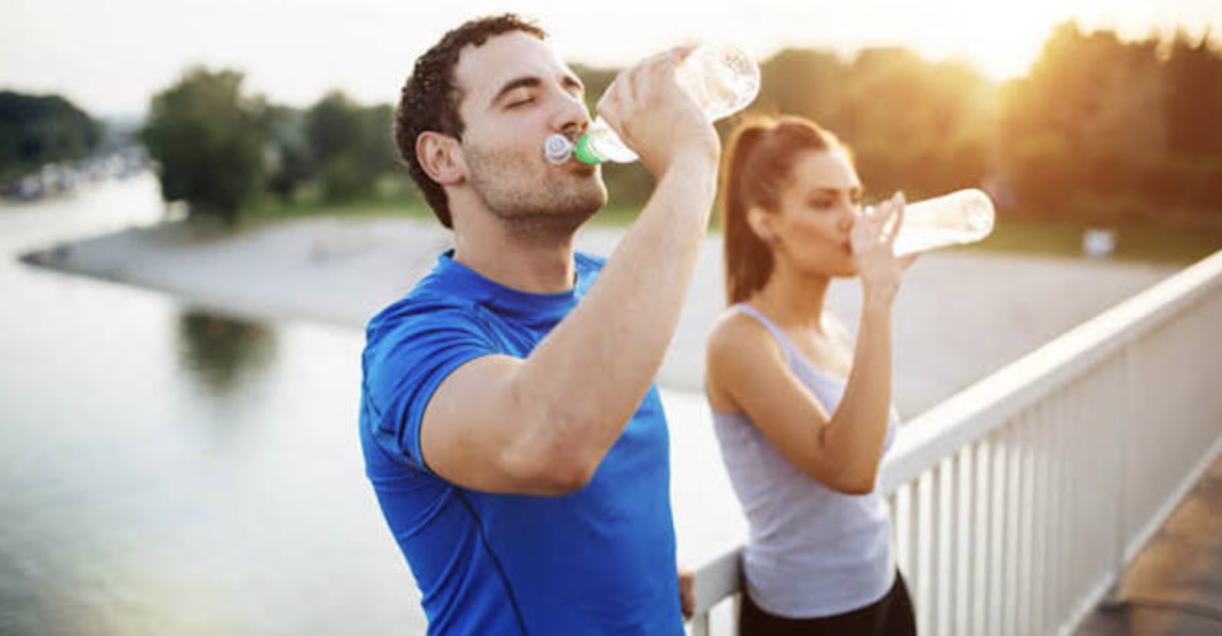
Water makes up most of your body, and even a small shortfall can leave you tired, headachy, and foggy without any obvious cause. Yet the advice most people have heard, a fixed number of glasses every day, fits almost nobody exactly.
In this article, we will explore how published fluid guidance works, where your daily water really comes from, how to read the early signals of low intake, which situations raise your needs, when drinking more is a bad idea, and how to build a routine that suits you.
Daily Fluid Needs Vary More Than the Eight-Glass Rule Suggests
The familiar advice to drink eight glasses of water a day is easy to remember, and that is probably the main reason it survived. It has no precise scientific origin that anyone can point to, and it ignores the plain fact that a small office worker in a cool climate and a large builder on a summer roof are not losing the same amount of water. Treat it as a rough starting picture at most, not as a target to chase.
What the published ranges say
Health bodies in different countries publish what they call adequate intakes for total water, which includes drinks and the water inside food. The figures differ from one authority to the next, but a commonly cited pattern is that adult men are advised to take in roughly two and a half to three and a half litres of total water per day, and adult women roughly two to two and three-quarters litres. Notice that these are totals. Once you subtract what food provides, the amount you need to pour into a glass is noticeably lower than the headline number.
These ranges describe what healthy people in ordinary conditions tend to consume, not a minimum below which something goes wrong. Your kidneys are good at conserving water when intake dips, and healthy adults can run a slightly lower intake for a while without harm. The numbers are useful as a sanity check, for example, if you realise you have been drinking one small cup of tea and nothing else
all day.
Why your number differs from mine
Body size matters, because a larger body holds more water and loses more of it. Climate matters, because sweat is the biggest variable loss for most people. Diet matters too: someone who eats plenty of fruit, vegetables, and soup takes in far more water from food than someone living on dry snacks. Salt-heavy meals increase thirst, and a high-protein diet increases the water your kidneys need to flush waste.
Age, pregnancy, breastfeeding, medicines and health conditions all shift the picture further, and later sections cover them. The practical conclusion is that the best personal guide is not a formula but a set of signals your own body gives you, which we will get to shortly. A published range is the map, and your own urine and thirst are the weather report.
Turning the ranges into a rough daily plan
Suppose a woman reads that about two litres of total water is commonly suggested, and she assumes roughly a fifth comes from food. That leaves around one and a half litres to drink, which is about six cups of ordinary size spread across the day. A man working from the higher published figure might land nearer two and a half litres of drinks. These are loose estimates, not instructions, and the point of doing the sum is only to see that the amount in the glass is smaller than the number in the headline. If your day already includes four mugs of tea, a bowl of soup and a piece of fruit, you have done more than you think.
Food, Coffee and Tea Count Toward Your Total
A frequent source of confusion is the belief that only plain water hydrates. In reality, every drink that contains water contributes, and so does most food. Researchers who compare beverages find that tea, coffee, milk, juice, and even beer contribute fluid, with some differences in how long that fluid is retained. For everyday purposes, you do not need to drink only water to stay hydrated.
Roughly a fifth of the average adult intake is commonly estimated to come from food, though this figure moves with diet. Watermelon, cucumber, oranges, tomatoes, yoghurt, porridge, soups and stews are all mostly water. If your plate has a lot of produce and some soup, you may need fewer drinks than the headline numbers imply. If you eat mostly bread, crackers and cured meats, you will need to make up the difference in the glass.
Coffee and tea deserve a specific mention because of the old claim that they dehydrate you. Caffeine does have a mild diuretic effect, but in people who consume it regularly the effect is small, and the water in the cup more than covers it. Several cups of coffee a day count toward your fluid, and a habitual tea drinker does not need to drink an extra glass of water for each cup. The sensible limit on coffee is usually set by sleep, nerves and heart rate, not by hydration.
Alcohol is different. It increases urine output more strongly, and a night of drinking combined with poor sleep and perhaps vomiting is a real route to dehydration. Sugary soft drinks and juice hydrate, but they add calories and sugar that plain water does not, so they are a poor main source. Sparkling water counts exactly as still water does. Milk is a surprisingly good hydrating drink in studies of short-term fluid retention, though it is not practical as a sole source.
Tap water is safe to drink in many countries and is the cheapest, lowest-waste option, but safety standards and taste differ widely between regions, and travelers are often advised to check local guidance before drinking it. Where the supply is uncertain, boiled, filtered, or sealed bottled water is the safer choice. Taste is a practical matter as well: people who dislike the flavor of their tap water drink less of it, so a jug kept in the refrigerator or a simple filter can raise intake without any willpower.
One simple habit follows from all this. Instead of counting glasses, think of your day in anchors: something with breakfast, something mid-morning, one with lunch, one mid-afternoon, one with dinner, and one in the evening. That sequence of six ordinary drinks, whatever they are, gets many adults close to a sensible total without a bottle in sight.
Early Signs Your Body Wants More Fluid
Thirst is the most obvious signal, and for most healthy adults it works well. It switches on when the concentration of your blood rises by a small amount, long before you are in any danger. The usual flaw in the advice to drink before you are thirsty is that it treats a working alarm as a defect. The real weaknesses of thirst are that it can be ignored when you are busy, it weakens with age, and it lags behind during hard exercise in the heat.
Urine color as a practical check
The easiest everyday test costs nothing. Look at your urine in daylight or under a bright bathroom light. Pale straw or light yellow usually suggests you are well hydrated. Clear and colorless, repeatedly, suggests you may be drinking more than you need. A darker yellow or amber suggests you could do with a drink. Very dark brown or orange needs more attention, and a doctor should be told if it persists, because certain medicines, foods, vitamins, and liver or bile problems can also change the color.
The first urine of the morning is naturally darker because you have gone hours without drinking, so judge your hydration from later in the day. Also keep in mind that some vitamin supplements, especially those containing B vitamins, turn urine a bright yellow that has nothing to do with water intake. Beetroot and rhubarb can also tint it.
| What you notice | What it often suggests | A sensible response |
| Pale straw urine, passed several times a day | Intake is probably adequate | Carry on as you are |
| Completely clear urine all day, with frequent trips | You may be drinking more than you need | Ease off, and drink to thirst |
| What you notice | What it often suggests | A sensible response |
| Dark yellow or amber urine | Fluid intake is probably low | Drink a glass or two over the next hour |
| Very dark urine, little of it, strong smell | Marked shortage of fluid, or another cause | Rehydrate, and see a doctor if it persists |
| Dry mouth, sticky saliva, cracked lips | Mild to moderate low fluid | Drink slowly and steadily |
| Dizziness on standing up | Low fluid volume, or other causes | Sit, drink, and seek advice if it repeats |
Other signs worth noticing
A dry mouth, dry lips, and a sticky feeling in the throat usually appear early. A mild headache that eases after a drink is a very common pattern, although headaches have many causes and water does not fix most of them. Tiredness, trouble concentrating and a short temper can all be nudged by low fluid intake, and small laboratory studies suggest that even slight dehydration can affect mood and attention, though the effects are modest and vary between people.
Constipation can worsen when fluid is low, and so can the frequency of urinary infections in people prone to them. Skin that looks dull is a weak sign, and the old pinch test on the back of the hand is unreliable, especially in older adults whose skin has lost elasticity for other reasons. If you notice repeated cramps during or after exercise, low fluid and salt may play a part, though muscle fatigue is often the bigger factor.
Signs that call for medical help
Mild dehydration can be fixed at home. Severe dehydration cannot, and the warning signs are worth knowing in advance. Confusion, extreme sleepiness, a racing heart, fainting, very little or no urine for many hours, sunken eyes and cold hands should lead to urgent medical care. In babies and young children, a dry mouth, no tears when crying, a sunken soft spot on the head, unusual drowsiness, or far fewer wet nappies than normal all need prompt advice from a doctor or a local health line.
Heat, Exercise, Illness and Other Situations That Raise Your Needs
Your baseline requirement is only half the story. Several circumstances push it upward, sometimes by a lot, and the people who run into trouble are often those who did not notice that the day had changed.
Hot weather and hard work
Sweat rates vary widely, from a trickle to well over a litre in an hour of heavy effort in the heat. In a heatwave, even a sedentary person will lose more water than usual, and sleeping in a hot bedroom adds to it. A good habit is to drink a glass with each meal and one between meals, and to keep a bottle where you can see it. If you work outdoors, regular small drinks beat occasional large ones, because the body absorbs small amounts steadily and large gulps often just pass through.
For exercise lasting under an hour, plain water and normal thirst are usually enough. For long efforts, such as a long run, a day on a bike or a hot hike, you also lose salt, and drinks containing sodium may help. A simple test of whether you drank enough is to weigh yourself before and after a long session: a substantial loss in body weight means you lost more fluid than you replaced. Exact targets differ among sports bodies, so a coach or sports dietitian can tailor advice.
Illness, vomiting and diarrhea
Fever, vomiting and diarrhea drain fluid quickly, and this is where dehydration becomes dangerous, especially for small children, older adults and anyone with a long-term condition. Sip small amounts often rather than trying to drink a full glass at once, because gulping can bring on more vomiting. Oral rehydration solutions, sold in pharmacies in most countries, are made with a balance of salts and sugar that helps the gut absorb water, and they work better than plain water or sports drinks when the illness is more than mild. Follow the packet instructions or a pharmacist’s advice.
If you cannot keep fluid down for a day, if you are passing very little urine, or if symptoms last more than a couple of days, seek medical advice. For infants and frail older people, do not wait that long.
Medicines, diet and everyday habits
Some medicines change how much water you lose. Water tablets, prescribed for blood pressure or heart conditions, increase urine output on purpose, and certain diabetes medicines do something similar, so people taking them may need to pay closer attention in hot weather or during illness. Never stop or change a prescribed medicine on your own because of thirst. Ask the prescriber or a pharmacist what to do on a hot day or a sick day.
Diet matters as well. A sudden increase in fiber needs extra fluid to work comfortably, and a very low-carbohydrate diet often causes a short-lived rise in water loss in the first days. Smoking, dry indoor heating, and air conditioning all dry the airways and skin a little. None of these is dramatic alone, but they add up, which is why someone who feels fine in a mild spring can feel dried out during a winter in a heated office.
Pregnancy, breastfeeding, altitude and flying
Pregnancy increases fluid needs modestly, and breastfeeding increases them further, because milk is mostly water. Many breastfeeding mothers notice sudden thirst during feeds, which is a good cue to keep a drink beside the chair. High altitude increases fluid losses through faster breathing and dry air, and the same is true on long flights, where cabin air is very dry. A cup of water each hour or two on a flight is a practical approach, and alcohol on a plane makes matters worse.
Older adults and children
Thirst fades with age, and some older adults also avoid drinking to reduce bathroom trips, especially at night. Offering drinks on a schedule, such as with every medication round or every meal, works better than waiting for them to ask. Children lose water quickly in play and may forget to drink, so a bottle in the school bag and a drink break at set times is a gentle fix. Small bodies dehydrate faster than adult ones, so illness in children should be taken seriously early.
A word on children and teenagers
Children are often told to drink more, yet most healthy children manage well when drinks are offered at regular points, and water is easy to reach. Sugary drinks tend to crowd out water, so many pediatric bodies suggest water and milk as the everyday choices, with juice kept occasional. A simple school routine works well: a drink at breakfast, a bottle to carry, and another when they come home. Teenagers who play sport in hot weather need the same attention to breaks and shade as adults do, and coaches should never withhold drinks as a punishment.
Drinking Too Much Is Possible, and Some People Must Follow Limits
The idea that more water is always better is false. Drinking far beyond thirst offers no extra benefit for healthy people, and in rare cases it is harmful. The kidneys can clear a large volume of water, but not unlimited amounts in a short time. If someone drinks several litres in a couple of hours, blood sodium can fall to a dangerous level, a condition called hyponatremia. Early signs are nausea, headache, bloating, confusion and, in severe cases, seizures.
This problem has been documented most often in endurance events, where participants were told to drink as much as possible and did so over many hours without replacing salt. Modern guidance for events tells people to drink according to thirst, not to a fixed schedule. It has also been reported in water-drinking contests and in people who use certain medicines or recreational drugs that affect water balance. A person who feels sick, confused, and swollen after drinking a lot of water should seek urgent care.
Some medical conditions turn fluid into a prescription matter. People with heart failure, advanced kidney disease, certain liver conditions, or hormonal disorders affecting water balance are sometimes told to limit fluids, sometimes to a precise daily amount. Others are told to drink more; for instance, people who form kidney stones, where higher urine volume is a standard preventive measure, or people with recurrent urinary infections whose doctor has advised it. Anyone taking a water tablet or being treated for these conditions should follow the plan from their own doctor, not the general ranges in articles like this one.
A last point concerns the frequent urination that sends many people to their doctor. Needing to pass urine very often, being constantly thirsty even after drinking, or waking several times a night to urinate can signal problems such as diabetes, an overactive bladder, or prostate trouble. If you are drinking normally and still feel excessively thirsty, do not simply drink more. Mention it to a doctor, who can check blood sugar and other causes.
Final Thoughts: A Sensible Order of Choices
Rather than set a number and force yourself to hit it, work through a few choices in order. Start with the basics, then adjust, and only then think about gadgets.
First, check where you stand. For two or three ordinary days, notice your urine color in the afternoon, how often you pass urine, and whether you feel thirsty. If the color is pale yellow and you are not troubled by headaches or dry mouth, you may already be drinking enough, and the most useful thing is to keep your habits steady.
Second, if your urine is dark by afternoon, add drinks at the anchor points of your day. A glass when you wake, one with each meal, and one in the evening will often fix things. Keep a drink at your desk, in the car or by the sofa, because visible water is drunk and hidden water is not. Flavoring with lemon, mint, cucumber or a splash of juice is fine if plain water bores you, and tea and coffee count too.
Third, adjust for the day. Heat, a long run, a bout of stomach illness, or a flight each call for extra. Drink in small, steady amounts, and use an oral rehydration solution for illness that goes beyond a mild upset. For long hard exercise, include salt either in your drink or your food.
Fourth, check your situation against the cautions. If you are pregnant, elderly, caring for a child, taking medicines that affect fluid balance, or living with a heart, kidney or liver condition, ask your doctor or pharmacist what is right for you. If your intake looks normal but you are very thirsty or passing a lot of urine, book an appointment.
| Situation | A practical approach |
| Ordinary day, sedentary | Drinks with meals and between them, tea and coffee included |
| Hot day or outdoor work | Small drinks every fifteen to thirty minutes, plus shade breaks |
| Exercise under an hour | Water, drunk to thirst |
| Long, sweaty exercise | Water and salt, in drink or food, plus a recovery meal |
| Stomach illness | Sips often, with an oral rehydration solution if it drags on |
| Long flight | A cup of water every hour or two, and little alcohol |
| Condition with fluid limits | The plan from your own doctor, not a general range |
A short word on night-time and routine. Many people drink little in the evening to avoid waking up, which is sensible, but it helps to front-load fluid earlier in the day so you are not trying to catch up at ten o’clock. If you wake often to urinate, try finishing larger drinks two or three hours before bed, and mention the problem to a doctor if it persists, since it can have causes that have nothing to do with how much you drink.
A second tip concerns the elderly parent, the toddler, or the partner who never seems to drink. Do not nag. Put a favorite drink in front of them at set moments, such as when the news starts or after a walk, and notice whether the urine and mood improve over a few days. Gentle routines work better than reminders.
Finally, drop the guilt. Tracking apps and marked bottles can help some people build the habit, and they bother others. If you feel fine, your urine is pale, and you are not ill, you are doing well, whatever number is on the bottle.
Frequently Asked Questions
Does coffee count toward my daily water intake?
Yes. Regular coffee drinkers lose very little extra water from caffeine, so the fluid in the cup counts. Just watch your sleep and nerves.
How do I know if I am drinking too much water?
Clear urine all day, very frequent bathroom trips, and a bloated, queasy feeling are common clues. Drink to thirst and let your urine settle at pale yellow.
Is it better to sip water all day or drink a lot at once?
Steady sipping is easier on the body, because it absorbs small amounts well and large gulps mostly pass through. Drinking a full glass with meals is a good habit too.
Can dehydration cause headaches?
It can in some people, and a headache that eases within an hour of a drink is a typical pattern. Headaches have many other causes, so see a doctor if they are frequent or severe.
Do sports drinks work better than water?
For workouts under an hour, water is usually enough. For long, sweaty efforts or illness with diarrhea, drinks containing salt and sugar can help.
How much water should I drink when I am sick?
Take small sips often, rather than big glasses, and consider an oral rehydration solution from a pharmacy. Seek medical help if you cannot keep fluid down or are passing very little urine.