
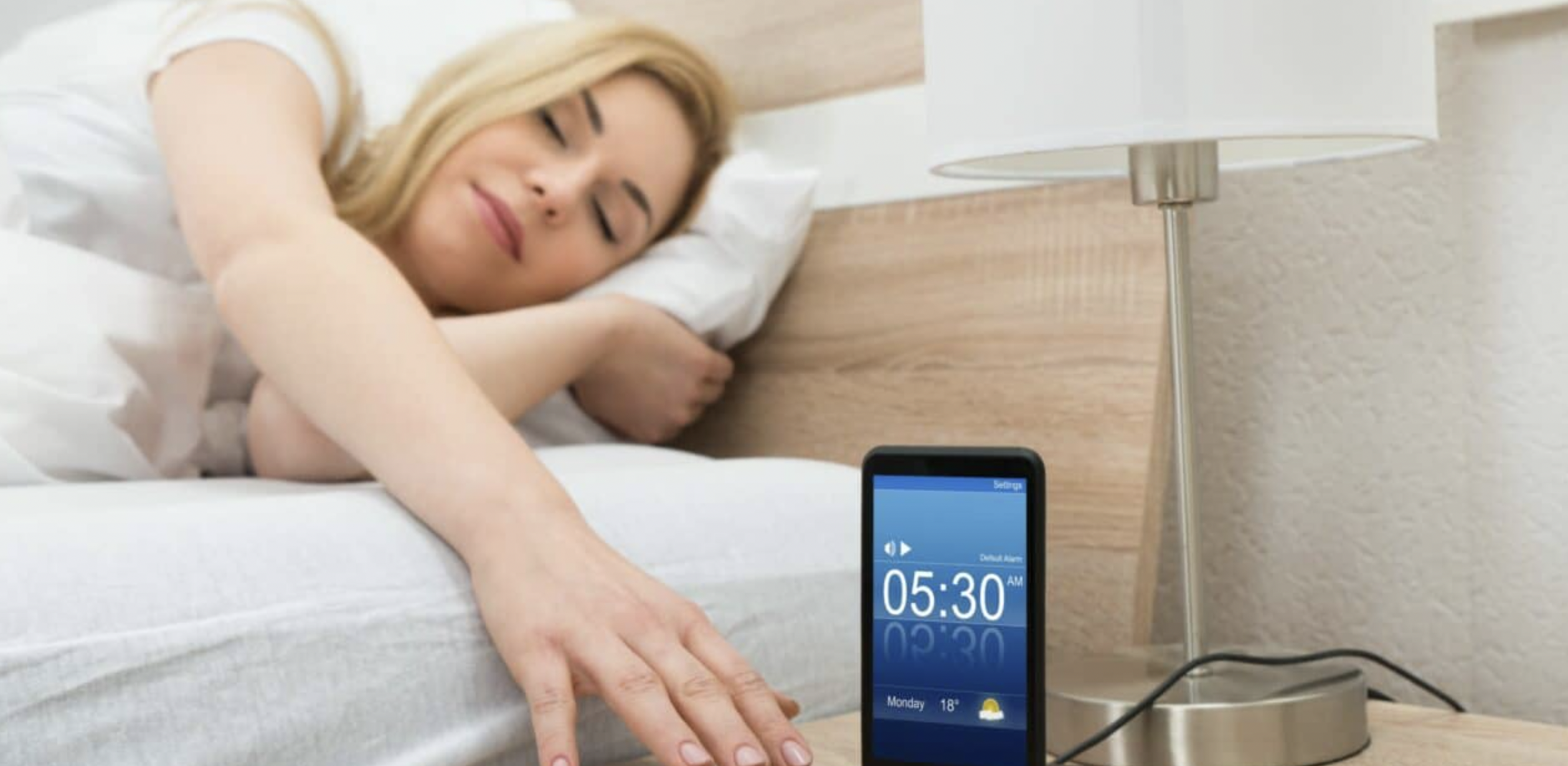
Every autumn, one Sunday brings an extra hour, and for many people it also brings a week of groggy mornings, early darkness and restless nights. The change looks harmless on paper, yet sleep specialists say the body clock does not reset as quickly as a phone does.
In this article we will explore when the clocks go back in 2026 in the US, the UK and Europe, what the shift does to your sleep, and a practical plan for adjusting at home, at work and with your family.
The clock change dates in 2026 for the US, UK and Europe
In the United States, daylight saving time ends at 2:00 AM local time on Sunday, November 1, 2026, when clocks fall back to 1:00 AM. The same date applies to most of Canada. Hawaii, most of Arizona and several US territories do not observe daylight saving time at all, so nothing changes there. Because the rule is the first Sunday in November, the date moves from year to year, which is why many people are caught out by it.
In the United Kingdom and the European Union, the switch happens a week earlier, on Sunday, October 25, 2026, at 1:00 UTC. In practical terms that means British Summer Time gives way to Greenwich Mean Time, and Central European Summer Time gives way to Central European Time. For most households the change simply happens overnight, and you gain the extra hour when you wake. Since today is October 9, readers in the UK and Europe have about two weeks to prepare and readers in the US have about three.
There is a short stretch each autumn when the US and Europe are on different offsets from each other. Between October 25 and November 1, the gap between New York and London is four hours instead of the usual five, and the gap between New York and Berlin is five hours instead of six. If you work with colleagues across the Atlantic, meeting invitations set by hand can land an hour off during that week. Calendar apps that store time zones usually handle this correctly, but a quick check of any recurring call is worth the thirty seconds.
Places in the southern hemisphere that use daylight saving time are moving in the opposite direction at this time of year, since their summer is beginning. This article is written for readers whose clocks are going back. If you live somewhere that does not change its clocks, you can skip the clock-setting advice and still use the light, sleep and routine tips below, which apply to any season change.
Gaining an hour is less of a gift than it sounds
The popular idea is that falling back hands you a free hour of sleep. Harvard Health Publishing, as reported by The Old Farmer’s Almanac, notes that many people do not gain that hour in practice. The reason is simple: your internal clock keeps waking you at the time it was used to, so the extra hour often becomes extra time awake in bed or an earlier start to the day. A person who normally wakes at 6:30 may open their eyes at what feels like 6:30 but reads 5:30, and the gain disappears before breakfast.
Sleep medicine groups describe the underlying problem as social jet lag, a mismatch between the body clock and the schedule society expects of you. The American Academy of Sleep Medicine says clock changes can shift bedtimes later and cause sleep loss, and that teenagers and night shift workers are at greatest risk. The fall change is usually considered the gentler of the two annual shifts, because moving an hour later is easier for most people than moving an hour earlier. Even so, a gentler shift is still a shift, and a week of slightly mistimed sleep can add up.
Research on the heart gives a mixed picture that is worth knowing about. A US study reported by the American Heart Association found that heart attack risk fell by 21 percent on the Tuesday after the autumn change, while spring studies from Finland, Sweden and the US pointed to higher risks of stroke or heart attack in the days after clocks moved forward. The same report did not identify a clear cause and noted that many of the people affected already had heart problems such as high blood pressure or diabetes that were not well controlled. The American Academy of Sleep Medicine also cites one study that found fewer cardiovascular events when clocks moved back to standard time.
None of this means you should worry about the autumn change itself. It does mean the sensible response is to treat it as a small, predictable stress on your routine and to look after the basics: sleep, blood pressure, movement and regular medical checkups. If you have a heart condition, ask your doctor whether anything in your routine should change, rather than guessing from headlines.
Body clocks run on light, not on the wall clock

Your circadian rhythm is a roughly 24-hour internal cycle that controls when you feel sleepy and alert, when your body temperature rises and falls, and when hormones such as melatonin are released. The strongest signal that keeps it in step with the outside world is light. Erin Flynn-Evans, who directs the Fatigue Countermeasures Laboratory at NASA Ames and advises the American Academy of Sleep Medicine, describes light as the most powerful timing cue for the human body clock. That is why a clock change feels harder than it should: the numbers shift instantly, but the light does not.
After clocks go back, sunrise arrives an hour earlier by the clock and sunset arrives an hour earlier as well. For many people that means more morning light on the commute and much less evening light after work. Morning light tends to pull the body clock earlier, while bright light late in the evening pushes it later. Dim evenings after the change can therefore feel like a natural cue for bed, which is helpful if you are an early riser and frustrating if you are a night owl.
This is also the reason the sleep association recommends managing light on the day you change. The American Academy of Sleep Medicine advises minimizing light exposure until your target wake time, which means avoiding bright screens or lamps if you wake before your new alarm. Once your target wake time arrives, getting outside or sitting by a bright window helps anchor the new schedule. Even on a cloudy day, daylight outdoors is much brighter than ordinary indoor lighting, so a ten to fifteen minute walk is worth the effort.
Food and activity act as secondary clocks. Regular meal times, exercise and even the time you take a daily walk all give your body further hints about what time it is. If you shift your breakfast and dinner to the new clock a few days ahead, your digestion and hunger signals follow more easily, and that in turn supports sleep. People who skip this step often find themselves hungry at what feels like midnight on the first evening, then eating late and sleeping lightly.
A gentle plan for the days before the change
The best preparation is small and starts early. The American Academy of Sleep Medicine suggests that, if you are not chronically short on sleep, you shift your bedtime 15 to 20 minutes later each night for a few nights before the change. One hospital sleep specialist quoted in a Hoag health article suggests going to bed about 15 minutes earlier each night instead, which is a different approach aimed at the same smooth landing. Both rely on the same principle: tiny moves are easier to absorb than a one-hour jump.
If you are already running on too little sleep, the advice flips. The American Academy of Sleep Medicine says chronically sleep-deprived people should not push their bedtime later, because they will benefit from the extra hour on the night the clocks fall back. In that case the goal is to protect at least seven hours of sleep as an adult, or eight hours as a teenager, before and after the change. If you are unsure which group you belong to, ask yourself whether you need an alarm and several cups of coffee to function on ordinary days, and treat a yes as a sign you are short on sleep.
Use the table below as a simple countdown. It works whichever date applies to you, because it counts backward from the Sunday of the change. Treat the times as a template and adjust them to your own sleep pattern.
| When | What to do | Why it helps |
| Four to five days before | Pick your approach (slightly later or slightly earlier bedtime) and move it by 15 minutes | Gives the body clock a gentle start |
| Three days before | Move bedtime another 15 minutes and shift dinner toward the new time | Meals reinforce the new rhythm |
| Two days before | Cut caffeine after lunchtime and dim lights an hour before bed | Protects sleep pressure and
melatonin |
| The day before | Set manual clocks (oven, car, wall clocks) in the evening and keep your normal bedtime | Avoids a rushed morning of confusion |
| Change day morning | Get up at your target time and go outdoors for daylight | Locks in the new schedule |
| Change day evening | Keep dinner, exercise and bedtime on the new clock | Prevents a second delayed week |
A few practical notes make this plan easier to follow. Phones, laptops and many smart devices update on their own if automatic date and time settings are on, so only the old-fashioned clocks need your attention. Do not stack the plan on top of other big changes such as heavy travel or a new medication without checking with your doctor. And if you share a bed, tell your partner what you are doing so the routine is not undone by a late film.
Saturday night and Sunday step by step
The cleanest approach to the actual night is to keep it boring. The American Academy of Sleep Medicine recommends setting your clocks to the new time on Saturday evening and then going to bed at your normal bedtime. Because your phone has already updated, your usual bedtime will now feel an hour earlier than it did, which is exactly the point. Avoid the temptation to stay up late for the extra hour, since a late night will simply cost you the next morning.
On Sunday, wake near your target time even if you feel you could sleep longer. Open the curtains right away, or step outside for ten to fifteen minutes, as the light does most of the work of resetting you. Have breakfast at the new time, and keep caffeine to the morning and early afternoon. One health system physician suggests avoiding caffeine after lunch, since its effects can last for hours, and that is a sensible cutoff for most adults.
A short nap is not forbidden if you feel drowsy, and a physician quoted by Hoag noted that brief naps are not necessarily harmful. The trick is to keep it to roughly twenty minutes and to finish it by mid-afternoon so it does not eat into the night. Longer or later naps lower your sleep pressure and make it harder to fall asleep at the new bedtime. If you notice you cannot function without a long nap several days in a row, treat that as a signal to look at your overall sleep rather than the clock change.
Sunday evening is the most important part of the weekend. The sleep association advises getting plenty of sleep on Sunday night to start the working week rested. Aim for a wind-down that begins an hour before bed: lower the lights, put away work email, take a warm shower or read something unexciting. The CDC notes that blue light from phones, computers and televisions around two hours before bedtime can make it harder to fall asleep and stay asleep, so a screen curfew helps too.
Workplaces can help too, and employees can ask for it. A manager who moves the first meeting of the week an hour later on the Monday after the change, or avoids heavy deadlines that day, costs very little and tends to be remembered. Drivers should plan extra time, because the American Academy of Sleep Medicine links the clock changes to more car accidents in the first days after the spring shift and to more human-error incidents in patient care in the week after transitions in either direction. If you feel unusually sleepy behind the wheel, pull over somewhere safe and rest instead of pushing on.
Children, babies, shift workers and older adults need different handling
Young children are the group most likely to disrupt everyone else’s week. They cannot read a clock, and a baby who wakes at 6:00 will keep waking at what feels like 6:00 on their body clock, which is now 5:00 on the wall. The practical fix is to shift their routine gradually, moving naps, meals and bedtime by 10 to 15 minutes every day or two beginning about a week before. Keep the bedroom dark with blackout curtains or a thick blind so that early light does not wake them even earlier.
For babies who cannot be moved easily, some parents split the difference: they leave the schedule alone for a few days and let it drift into the new time as the weekend passes. This works best when the baby is otherwise healthy and feeding well, and it is reasonable to ask your pediatrician or health visitor if you are unsure. For toddlers, a wake-up clock that changes colour at the right time can help children wait before getting up. These tools do not replace routine, but they give parents something calm to point to at 5:30 in the morning.
Teenagers deserve special mention because the sleep association lists them among the groups at greatest risk from clock changes. Many teens already run late and short on sleep during the school week, and an early dark evening can push them even later. Encourage a firm wake time, morning light before school and a phone curfew, and talk with them about why a nine-hour night in the next few days will pay off in mood and concentration. Parents of teens should also watch for signs of a deeper problem, such as persistent low mood or sleeping most of the day.
Shift workers and older adults face their own challenges. Night shift workers may find that the autumn change adds an hour to a long shift or alters when they can sleep, and the sleep association identifies them as especially vulnerable. If you work nights, ask your employer how the extra hour will be handled, and protect your daytime sleep with a dark, cool room and a clear plan for meals. Older adults often sleep more lightly and wake earlier already, so they may find the early evening darkness unsettling, and they should keep medicines on a schedule linked to meals or routines rather than to a clock that has just changed.
Anyone who takes time-sensitive medication, such as insulin, blood thinners or thyroid tablets, should check the timing with a pharmacist or doctor. The shift is only an hour, and for many medicines it makes no difference, but the right answer depends on the drug. Do not adjust doses on your own. If you are unsure, a pharmacist can usually answer in a few minutes without an appointment.
Pets and household routines follow the clock as well. A dog that expects dinner at six will not care that the numbers moved, so shift feeding and walks by a few minutes a day, which also gives you a reason to get outdoors for daylight. Pay attention to home lighting too, because warm, dim lamps in the evening and bright light in the morning support the same rhythm that your sleep depends on. These small household changes often matter more than any single sleep trick.
Darker evenings bring their own risks and moods
When the clocks go back, evenings become dark an hour earlier by the clock, and that has practical effects beyond sleep. Commutes home that used to happen in daylight now happen in the dark, which reduces visibility for drivers, cyclists and people walking. Wear reflective clothing or carry a light if you walk or cycle after work, and make sure car headlights and wipers are in working order. Parents should remind children to be visible on the way home from activities, because the habit of playing out until dinner has to shift.
Mood is the other issue. The American Academy of Sleep Medicine says both the spring and fall clock changes are associated with mood disturbances and suicide, though the page does not give figures for the size of the risk. That finding does not mean the clock change causes depression in most people. It does suggest that people who are already vulnerable, or who feel low as light fades, should treat the first weeks of autumn as a time to look after themselves more carefully.
Simple habits help with darker months. Get outdoors in the morning or at lunchtime, because daytime light has more effect on mood and sleep than a lamp at night. Keep up exercise and social plans, since it is easy to retreat indoors once it is dark at five o’clock. Eat regular meals, and limit alcohol, which may make you drowsy but tends to fragment sleep later in the night.
If low mood lasts more than a couple of weeks, if you lose interest in things you normally enjoy, or if you feel hopeless, speak with your doctor or a mental health professional. In an emergency or if you have thoughts of harming yourself, call your local emergency number. In the US you can call or text 988 for the Suicide and Crisis Lifeline, and in the UK you can call Samaritans free on 116 123.
A quiet week afterward is a good investment. For the first five to seven days after the change, keep wake-up times fixed, even on the weekend, and resist the urge to catch up with long lie-ins. Plan lighter evenings, avoid late heavy meals and keep alcohol modest, because all of these make the adjustment slower. Most healthy adults feel back to normal within about a week, and if you still feel off after two weeks it is worth asking whether something else is affecting your sleep.
Conclusion
Start with the date that applies to you, and count back. If you live in the UK or Europe, the change is on October 25, so begin your gradual bedtime shift this week. If you live in the US or Canada, the change is on November 1, so you have a little more time but should still begin about four or five days ahead. Write the date in your calendar and set a reminder for the Saturday evening before.
Next, decide which group you belong to. If you sleep well and have a regular schedule, use the small bedtime shifts and the morning light plan. If you are already short on sleep, skip the later bedtime and take the extra hour on the night the clocks fall back. Whichever you choose, aim for at least seven hours as an adult and eight hours as a teenager, and keep your wake time as steady as you can.
Then deal with the practical details. Move meals toward the new time, set oven, car and wall clocks on Saturday evening, and tell the family what the plan is. Prepare for darker evenings with lights, reflective gear and a plan for after-school or after-work activities. Check any time-sensitive medicine with a pharmacist if you are unsure.
Finally, remember that the lasting fix is a policy question rather than a personal one. The American Academy of Sleep Medicine argues that the US should drop seasonal time changes in favor of permanent standard time, and the group says a survey of about 2,000 US adults found 63 percent support for ending clock changes. A 2025 Gallup poll found 48 percent of Americans prefer year-round standard time, 24 percent prefer permanent daylight saving time and 19 percent want to keep the current system. Until laws change, a gentle plan, plenty of morning light and a calm Sunday night are the best tools you have.