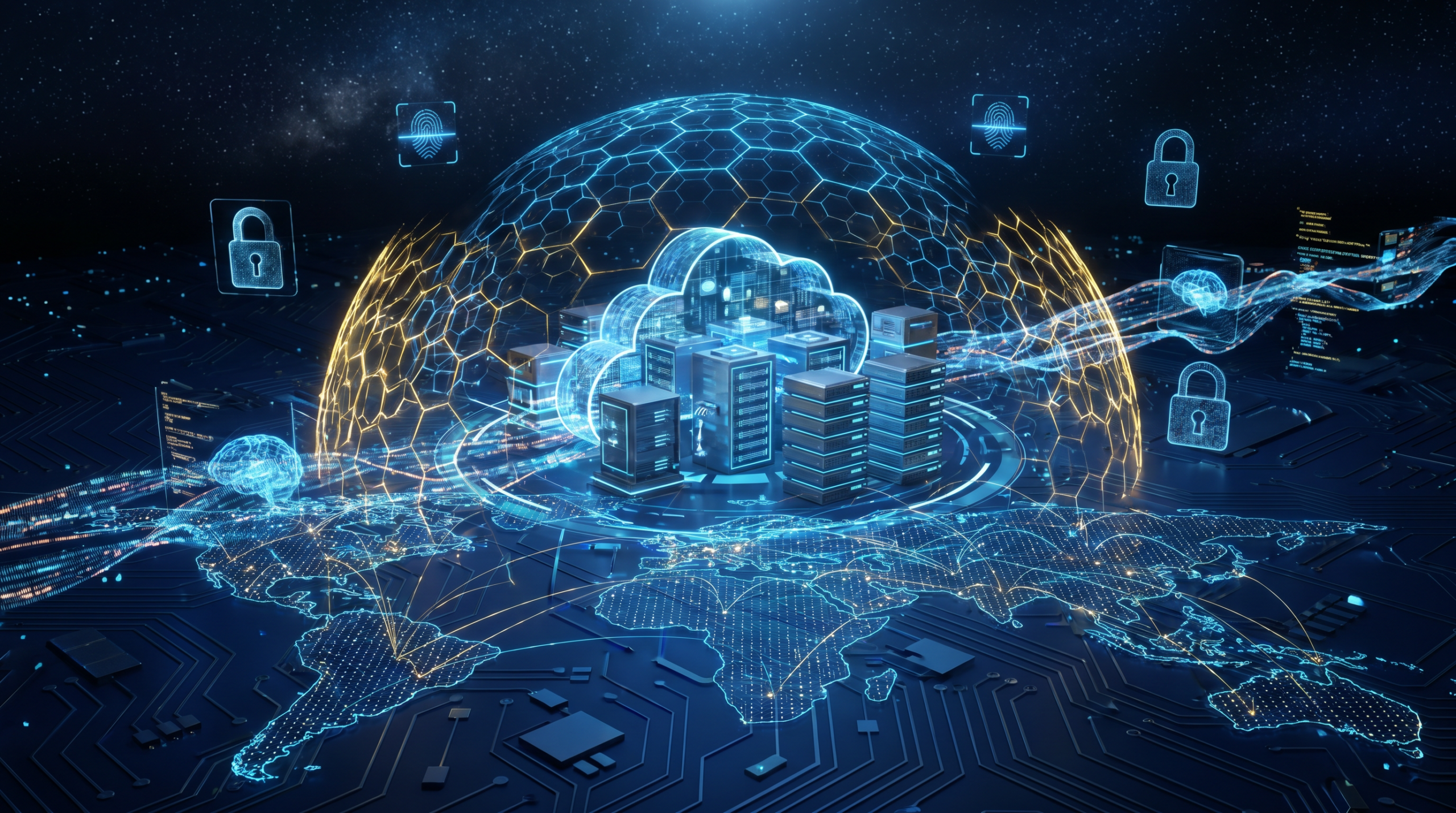
In today’s hyperconnected world, cybersecurity isn’t just a technical requirement—it’s a business imperative. As organizations shift workloads to cloud platforms and expand their digital footprints, attack surfaces multiply faster than ever before. Advanced Cyber Defense Systems have become the backbone of protection, actively monitoring, detecting, and neutralizing threats before they cause harm.
Why Traditional Security Models Fall Short
Classic perimeter-based defenses simply can’t keep pace with modern cyber threats. Gone are the days when installing an antivirus or firewall was enough. Hackers exploit IoT devices, remote access points, and human error to infiltrate systems. The outdated “trust but verify” model is now replaced by “never trust, always verify.” This evolution underscores the demand for robust, intelligent defense systems tailored to hybrid and cloud-first environments.
The Core of Advanced Cyber Defense Systems
Modern defense frameworks rely on multilayered strategies that analyze behavior, detect anomalies, and respond automatically. They’re not static—they learn, adapt, and evolve.
AI and Machine Learning in Threat Detection
Artificial intelligence (AI) empowers systems to recognize patterns faster than humans ever could. Machine learning algorithms sift through massive amounts of network traffic, isolating potential attacks before they escalate. This constant learning loop minimizes false positives and enhances decision-making.
Zero Trust Architecture: The New Normal
Zero Trust assumes every user, device, and application is untrusted until verified. It ensures users are continuously authenticated and authorized, even within the network. This principle dramatically reduces the risk of insider threats and unauthorized access, forming a cornerstone of modern cyber resilience.
How These Systems Protect Cloud Environments

One can’t mention advanced defense without discussing cloud security. With data stored across multiple providers, maintaining uniform protection is both complex and crucial.
Data Encryption and Tokenization Techniques
Encryption transforms sensitive data into unreadable code, while tokenization replaces data with meaningless identifiers. Together, they ensure that even if attackers access data, it remains useless. Cloud-native encryption tools now use 256-bit keys and lattice-based cryptographic systems, offering unparalleled security.
Identity and Access Management (IAM) Controls
IAM tools enforce “least privilege” policies, giving users only the access necessary for their roles. Multi-factor authentication (MFA), single sign-on (SSO), and conditional access policies further strengthen security by verifying trust at each step.
Advanced Protection for Enterprise Networks
Enterprise networks are vast and complex, blending local servers with remote offices, IoT devices, and mobile endpoints.
Next-Generation Firewalls and Intrusion Detection
Next-Generation Firewalls (NGFWs) combine deep packet inspection, intrusion prevention, and behavioral analysis. Unlike traditional firewalls, NGFWs can detect sophisticated threats like polymorphic malware and encrypted command-and-control communications.
Endpoint Protection and Network Segmentation
Endpoints are prime targets for ransomware and phishing attacks. Unified Endpoint Management (UEM) platforms consolidate device monitoring, patching, and isolation. Network segmentation, meanwhile, breaks large networks into zones, containing breaches before they spread.
Integration and Automation: The Unsung Heroes
What truly sets advanced systems apart is how they automate and integrate defenses.
SOAR and SIEM for Unified Defense
Security Orchestration, Automation, and Response (SOAR) tools combine with Security Information and Event Management (SIEM) platforms to centralize monitoring. Together, they streamline detection, automate incident responses, and maintain compliance through unified reporting.
Real-Time Response Capabilities
Modern systems automatically isolate infected devices, block malicious IPs, and patch vulnerabilities within minutes. This speed minimizes impact, allowing human analysts to focus on strategic decisions rather than firefighting.
The Human Element in Cybersecurity
Even the most advanced systems rely on human vigilance. Training programs that teach staff to recognize phishing attempts or unsafe data sharing are vital. By cultivating a security-first culture, organizations turn employees into active defenders rather than weak links.
Measuring the Success of Cyber Defense Systems

To ensure ongoing efficacy, metrics like mean time to detect (MTTD), mean time to respond (MTTR), and user compliance rates are tracked. These indicators show not just how well systems work—but how quickly they evolve.
The Future of Cyber Defense: What’s Next?
The next frontier involves quantum-resistant encryption, behavioral biometrics, and predictive AI models capable of anticipating attacks before they happen. As cybercriminals evolve, defenders respond with smarter, self-healing infrastructures that redefine what resilience means.
To stay updated on evolving attacks and real-world defense strategies, explore our detailed post—Cybersecurity News: Latest Threats, Global Responses, and Strategic Defenses Shaping the Digital World.
Conclusion
Advanced Cyber Defense Systems represent a paradigm shift—from reactive firewalls to adaptive, intelligent guardians. They protect cloud environments and enterprise networks with a mix of automation, analytics, and human insight. The result? A safer, more resilient digital world—one where security is woven into every layer of operation.
For deeper insights into cybersecurity trends, visit the National Institute of Standards and Technology (NIST).
FAQs
- What makes advanced cyber defense systems different from traditional ones?
They use automation, AI, and continuous monitoring, enabling proactive rather than reactive protection. - How does Zero Trust improve security?
It eliminates blind trust by verifying every user and device, reducing the risk of breaches from internal and external sources. - Are small businesses also in need of such systems?
Absolutely. Attackers target vulnerabilities, not company size. Cloud-based solutions make advanced defense accessible to smaller firms. - What role does automation play in cybersecurity?
Automation speeds detection and response, allowing real-time containment of threats before they escalate. - Can AI replace human cybersecurity experts?
Not likely. AI enhances human abilities but still relies on analysts to interpret data and adapt strategies. - How can an organization measure cybersecurity success?
By tracking KPIs like MTTD, MTTR, and compliance scores, which indicate efficiency, readiness, and resilience.