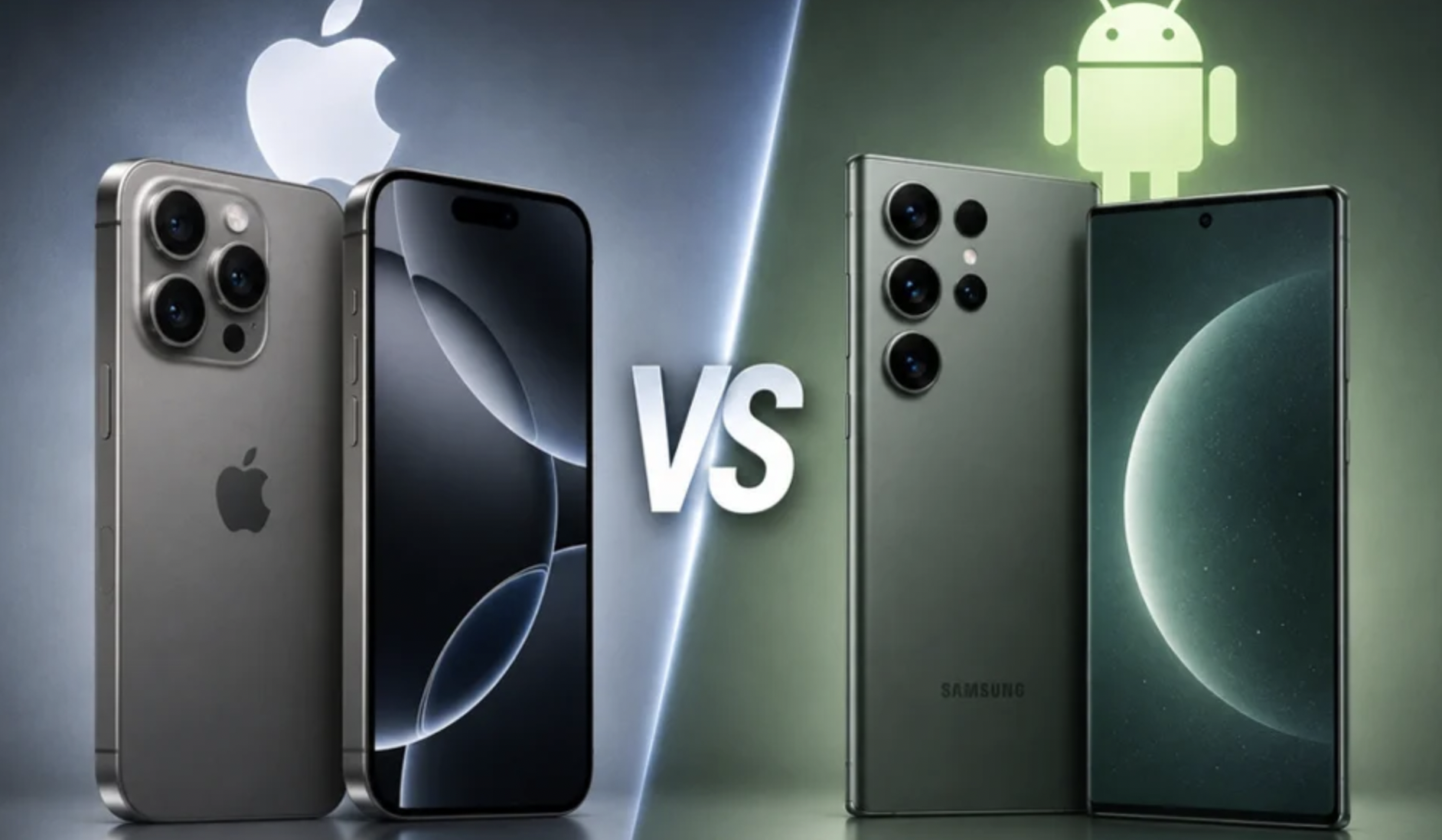
Two coworkers standing in a break room recently compared notes on their new phones: one had just switched from an old Android to the latest iPhone after years of struggling with group texts that dropped photo quality every time a friend without an iPhone joined the thread, while the other had gone the opposite direction, drawn to a Samsung model with a stylus for note-taking during long meetings. Neither felt they’d made the wrong choice in the end.
Their decisions reflected two different sets of priorities, a reminder that the iPhone-versus-Android debate is less about one platform being objectively better and more about which ecosystem fits a particular set of habits already built into daily life over many years.
Ecosystem Lock-In: iMessage, AirDrop, and Beyond
Apple’s ecosystem is built around tight integration between devices: iMessage, AirDrop, Handoff, and a shared iCloud account let an iPhone, iPad, and Mac work together with minimal friction between them day to day. This convenience becomes a strong pull for anyone already invested in other Apple products, since features like unlocking a Mac with an Apple Watch or answering a phone call directly from a laptop only work smoothly within that closed ecosystem Apple has built over more than a decade of product development.
Android’s approach is more open, allowing manufacturers like Samsung, Google, and OnePlus to build their own ecosystems and cross-device features, such as Samsung’s DeX desktop mode or Google’s own cross-device services tying Chromebooks and phones together in a similar way. This openness means Android integration can vary depending on which brand and services a person uses, offering flexibility at the cost of the seamlessness Apple provides within its own closed system by careful design choices made early on.
Camera Systems Compared
Camera quality has become one of the most heavily marketed features on flagship phones from both platforms, and the gap between top-tier iPhone and Android cameras has narrowed a great deal in recent years of development. Apple’s computational photography emphasizes color accuracy and consistency across lighting conditions, while brands like Samsung and Google push further into zoom capability and AI-assisted editing features baked directly into their camera apps by default.
- iPhone Pro models: known for reliable color science and strong video recording, popular among content creators and casual filmmakers alike who need consistency.
- Samsung Galaxy Ultra models: offer extensive zoom range and a stylus-compatible design for note-taking and sketching while on the move.
- Google Pixel: praised for computational photography features like Magic Eraser and strong low-light performance in dim indoor settings.
- Budget Android options: camera quality drops off more noticeably at lower price points compared to Apple’s more consistent baseline across its entire lineup.
Customization and Operating System Philosophy
Android’s core philosophy favors customization: users can change default apps, install custom launchers, sideload apps outside the official store, and personalize their home screen far beyond what iOS traditionally allowed right out of the box for years. Apple has gradually opened some of these options, like allowing default app changes and more home screen customization in recent software updates, but the underlying philosophy remains more controlled overall compared to its rival.
- Default app freedom: Android has long allowed changing default browsers, messaging apps, and more without much restriction imposed by the system itself.
- Sideloading capability: installing apps outside official app stores is more straightforward on Android in most regions of the world where it’s sold.
- Home screen widgets and layout: Android offers deeper customization of app placement, widget sizing, and launcher behavior for power users who want control.
- System-wide theming: Android supports broader visual customization, including dynamic color theming tied to a user’s chosen wallpaper each time it changes.
Price Tiers and Value for Money
Apple maintains a narrower product lineup with prices that stay relatively high across the board year after year with each new release. Android spans an enormous price range, from budget phones under a couple hundred dollars to foldable flagships that rival or exceed iPhone pricing at the very top end of the market. This breadth gives Android shoppers more flexibility to find a phone that matches a specific budget without sacrificing every desirable feature along the way in the process.
- Entry-level Android phones: offer solid daily performance at a fraction of flagship pricing, ideal for budget-conscious buyers on a tight timeline for an upgrade.
- Mid-range Android options: from brands like Google’s A-series or Samsung’s A-series, balance features and cost effectively for most everyday users who don’t need a flagship.
- iPhone SE line: Apple’s answer to budget buyers, though with a smaller feature set than its flagship models offer at a much higher price.
- Foldable phones: a growing Android category offering a distinct form factor, at a real price premium over a standard flagship device.
Privacy and Security Approaches
Apple has built a reputation around privacy as a selling point, with features like App Tracking Transparency requiring apps to ask permission before tracking user activity across other apps installed on the device. Google has followed with its own privacy features on Android, though the platform’s broader openness and ad-driven business model create a somewhat different baseline approach to data collection across the whole ecosystem of connected devices and services.
Security updates also differ between the two platforms in a real way that affects everyday users. Apple controls both hardware and software, allowing it to push updates to all supported iPhones at the same time regardless of carrier or region. Android updates depend on manufacturer and carrier rollout schedules, which can create delays, especially for budget or older devices left waiting months behind the newest flagship models released each year by the same company.
Longevity: Software Updates and Resale Value
Apple has historically supported iPhones with software updates for longer than most Android manufacturers support their own devices, often five years or more for recent models still in active use by their original owners. This extended support contributes to iPhones holding their resale value better than most Android counterparts over a comparable ownership period, a factor many buyers weigh heavily when deciding which platform to commit to for the next few years.
Google’s Pixel line and Samsung’s flagship Galaxy models have closed some of this gap by extending their own update commitments in recent years of competition. Budget Android phones still generally receive shorter support windows, a tradeoff buyers should weigh against the lower upfront cost of the device itself when making a purchase decision.
Switching Costs Between Platforms
Moving from iPhone to Android, or the reverse, involves more friction than simply buying a new device and turning it on for the first time. Purchased apps, subscriptions tied to one app store, family sharing plans, and years of iMessage conversation history don’t transfer cleanly between platforms, which is part of why ecosystem lock-in works so effectively for both companies over the long run of ownership.
- App repurchases: some paid apps require buying again on the new platform since purchases don’t carry over across ecosystems at all.
- Message history: iMessage conversations and attachments generally don’t migrate to Android, and vice versa for Android-specific messaging apps used instead.
- Accessory compatibility: chargers, cases, and smartwatches often only work within one ecosystem, adding replacement costs after a switch to the other side.
- Smart home integration: devices tied to Apple HomeKit or Google Home may require reconfiguration when switching between platforms entirely from scratch.
Matching the Phone to Daily Habits
The right choice ultimately depends less on spec sheets and more on how a person uses their phone day to day, week after week, year after year. Someone deeply invested in Apple’s other products will likely find an iPhone the smoother, less frustrating choice, while someone who values customization, a wider range of price points, or a stylus for note-taking may find Android’s flexibility more appealing for their own daily routine.
Group messaging habits, existing accessories, budget constraints, and even which platform friends and family use for messaging all factor into a decision that is more personal than technical in the end, no matter how many spec sheets get compared beforehand by an eager shopper trying to make the right call.
Battery Life and Charging Habits That Differ by Platform
Battery performance depends more on software optimization and chip efficiency than on raw battery size alone, which is part of why comparing two phones with similar battery capacity can still produce noticeably different real-world results for a typical user. Apple’s tight control over hardware and software lets it tune power management specifically for its own chips, often squeezing more usable time out of a smaller battery than an equivalent Android device manages with a larger one under similar daily use.
Charging standards also diverge between the two ecosystems in ways that affect daily convenience more than headline specs suggest. Many Android flagships have pushed faster wired charging speeds than Apple has historically offered, letting a phone reach a substantial charge in a fraction of the time an iPhone typically needs plugged into the wall. Apple has closed some of this gap with newer models, but Android manufacturers, freed from the same design constraints, have generally led on raw charging speed for several years running.
- Wired charging speed: several Android flagships charge from low to nearly full in well under an hour, outpacing most iPhone models by a wide margin.
- Wireless charging standards: both platforms support wireless charging, though speeds and compatible accessories vary depending on the specific phone model.
- Battery replacement cost: official battery replacements through Apple tend to cost more than equivalent service for many mainstream Android devices.
- Software-based battery health tools: both platforms now show battery degradation over time, helping owners decide when a replacement makes sense.
- Power-saving modes: Android generally offers more granular control over which apps can run in the background to preserve charge longer.
For anyone who charges overnight and rarely thinks about a battery percentage, these differences matter less than they do for someone who relies on a phone constantly throughout a long workday away from an outlet. Frequent travelers and people who work outdoors for long stretches tend to weigh charging speed more heavily than the average shopper, since a fast top-up between meetings or during a short lunch break can matter more than a slightly longer total battery life on paper.
Accessibility Features Compared Across Both Platforms
Accessibility tools have become a real differentiator for users with visual, hearing, motor, or cognitive needs, and both platforms have invested heavily in this area over recent years of software development. Apple’s VoiceOver screen reader, Switch Control for users with limited mobility, and a range of built-in hearing aid compatibility features have earned praise from disability advocates for their depth and consistency across the entire iPhone lineup, updated at the same pace as the rest of iOS.
Android’s accessibility suite, built around TalkBack and a broader set of Google-developed tools, offers comparable core functionality but can vary somewhat depending on which manufacturer’s version of Android a person is using, since some brands layer their own interface changes on top of the base accessibility framework Google provides. This inconsistency doesn’t mean Android accessibility is weaker overall, but it does mean the experience isn’t always identical across every device carrying the Android name.
- Screen reader depth: both VoiceOver and TalkBack provide full navigation for blind and low-vision users, with subtle differences in gesture conventions.
- Live captioning: both platforms now offer real-time captions for calls and media, useful for users who are deaf or hard of hearing.
- Voice control: hands-free navigation options exist on both systems for users with limited mobility, though implementation details differ by device.
- Consistency across models: Apple’s single-manufacturer approach keeps accessibility features uniform, while Android’s experience varies more by brand.
Anyone choosing a phone around a specific accessibility need is often better served researching that particular feature directly rather than assuming either platform is broadly superior across every category of need. Trying a demo device in a store, or reading firsthand reviews from users with the same need, tends to reveal more useful detail than a spec sheet or a marketing page ever could on its own.
Final Thoughts
Choosing between iPhone and Android comes down to lifestyle fit more than raw specifications, since both platforms now offer excellent cameras, strong performance, and reliable security at the flagship level of their respective lineups. Apple’s tightly integrated ecosystem rewards people already invested in other Apple devices, while Android’s openness and wide price range appeal to those who value customization or need a budget-friendly option that still performs well day to day.
Switching costs, from lost message history to incompatible accessories, deserve consideration before changing platforms on a whim without much of a plan in place. The most practical approach is matching the phone to daily habits and existing devices rather than chasing whichever platform currently holds bragging rights for the best camera or fastest chip released this year.
Frequently Asked Questions
Is iPhone or Android better for photography?
Both platforms offer excellent cameras at the flagship level, with iPhone favoring consistent color accuracy and Android options like Google Pixel and Samsung Galaxy pushing further into zoom range and computational editing tools. The better choice depends on specific photography priorities rather than one platform being universally superior to the other in every scenario.
Why do group texts look different between iPhone and Android users?
Apple’s iMessage uses a different protocol than standard SMS, which can degrade photo and video quality when messages cross between iPhone and Android users in a group chat with mixed devices. This has been a long-running point of friction, though newer messaging standards are gradually improving cross-platform compatibility between the two ecosystems over time.
Which platform receives software updates for longer?
Apple has historically offered longer software support for iPhones compared to most Android manufacturers, though Google’s Pixel line and Samsung’s flagship models have extended their own commitments a great deal in recent product cycles. Budget Android phones generally still receive shorter update windows than flagship devices on either platform available today.
Can I switch from iPhone to Android without losing my data?
Google and other manufacturers offer transfer tools that move contacts, photos, and many app-related settings between platforms, though some data like iMessage history and certain paid apps won’t transfer directly to the new device. Planning ahead for what won’t migrate smoothly makes the switch far less frustrating for someone making the change for the first time.
Is Android more customizable than iPhone?
Android generally offers deeper customization options, including default app changes, widget placement, and system-wide theming, reflecting its more open operating system philosophy from the very start of its design. Apple has expanded some customization options over recent updates, but iOS remains more controlled overall compared to Android’s flexibility in most respects.
Do Android phones cost less than iPhones overall?
Android spans a much wider price range, from budget models well below iPhone pricing to foldable flagships that can cost as much or more than Apple’s top models available today. Shoppers on a tight budget generally have more affordable options within the Android ecosystem than Apple currently offers at any single tier of its lineup.