
Education is evolving, and traditional methods of memorization no longer meet the growing demands of the modern world. Project-based learning (PBL) has emerged as a forward-thinking approach that places students at the center of their educational journey. Instead of simply absorbing information, learners actively investigate real-world problems, collaborate with others, and develop practical solutions. This method blends knowledge with curiosity, creating classrooms filled with innovation, purpose, and confidence.
What Is Project-Based Learning?
Project-based learning is a teaching strategy that encourages students to acquire knowledge and skills by engaging in projects that tackle authentic issues or questions. Rather than focusing on short, isolated lessons, PBL promotes extended exploration over days or weeks. Learners analyze problems, research information, discuss findings, and present outcomes, developing a well-rounded understanding that goes far beyond memorization.
For example, in a science class, students might design a prototype for sustainable energy use. In doing so, they integrate lessons from physics, math, and environmental studies while also mastering teamwork and critical thinking.
Core Features of Project-Based Learning
Real and Meaningful Questions
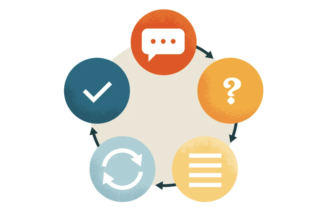
A meaningful project always begins with an essential question, one that bridges the classroom and the world outside. Imagine starting with a challenge: “How can we design a safer park?” It instantly pulls learning out of the textbook and into the real world. or “What could our community do to better support local elders?” challenge students to apply their learning to problems that actually matter.
Continuous Research and Inquiry
At the heart of PBL is inquiry, a continuous process of exploration and discovery. Students gather evidence, test ideas, evaluate data, and seek expert opinions. This sustained investigation deepens comprehension and builds independent learning habits.
Student Voice and Choice
Project-based learning thrives when students have ownership over their work. When learners can select topics or choose how to present their results, they become more invested in their goals. This freedom develops self-motivation, decision-making ability, and leadership skills.
Reflection and Revision
Learning is a process, not a single event. Through structured reflection, learners identify what works, where they struggle, and how to improve. Regular feedback and revision lead to stronger results and build a mindset focused on continual growth.
Public Presentation
One powerful aspect of PBL is sharing the final product with an audience beyond the teacher. Students may present to community members, publish online, or exhibit their projects at school events. Presenting publicly enhances communication confidence and demonstrates how knowledge connects to everyday life.
Advantages of Project-Based Learning
Deeper Academic Understanding
Because learning happens through practice and inquiry rather than memorization, students gain a richer and longer-lasting grasp of key concepts.
Skill Development for Modern Careers
PBL strengthens critical thinking, collaboration, creativity, and digital literacy, all essential skills for thriving in the 21st-century workplace.
Increased Motivation and Engagement
When learners explore topics that relate to their interests and values, enthusiasm grows naturally. Project work feels meaningful and encourages responsibility.
Bridging Education and the Real World
Project-based learning transforms classrooms into laboratories of life. By working on authentic challenges, students see that what they learn has a tangible impact and potential for change.
Implementing Project-Based Learning
To integrate project-based learning effectively, educators need thoughtful planning and flexibility. They act as facilitators—guiding students, providing structure, and offering support while allowing independence. A well-designed project includes clear objectives, timelines, assessment tools, and opportunities for feedback.
Technology also plays a major role. Students can use digital tools for research, design, and presentation, while teachers can incorporate multimedia resources and online collaboration platforms to extend learning beyond school walls.
Assessment in PBL focuses not only on the final result but also on effort, creativity, collaboration, and reflection. This holistic evaluation cultivates pride in progress rather than fixation on grades.
Common Challenges and Practical Solutions
Although project-based learning is highly rewarding, some obstacles may arise:
- Time management: Start with shorter projects before expanding to long-term ones.
- Uneven participation: Assign individual roles to ensure accountability.
- Curriculum alignment: Connect projects directly to academic standards and learning goals.
- Resource limitations: Encourage creativity by using local materials and online research tools.
Over time, both teachers and students become more comfortable with this flexible, discovery-driven model.
The Future of Project-Based Learning
As global problems grow increasingly complex, education must prepare young people to think critically and act creatively. Project-based learning offers an ideal framework for this mission. It equips learners with the confidence to question, the courage to explore, and the competence to solve problems collaboratively. In the future, PBL will likely blend even more with digital technologies and global partnerships, turning classrooms into innovation hubs for social and scientific advancement.
Conclusion
Project-based learning redefines education by connecting knowledge with action. It empowers students to become creators, thinkers, and changemakers who apply learning to real-world challenges. Through curiosity, teamwork, and reflection, PBL transforms schooling into an active, inspiring, and lifelong pursuit of discovery.