Thailand has always been one of the world’s favorite budget destinations, but traveling cheaply in 2026 looks a little different from how it did a few years ago. Prices have increased in tourist-heavy areas, visa rules have changed, and travelers are now expected to plan smarter instead of simply “winging it.” The good news? Thailand is still incredibly affordable if you understand how the system works. From street food that costs less than a coffee in Europe to overnight trains that save you hotel expenses, this country remains a paradise for backpackers and first-time travelers alike. According to recent 2026 travel reports, budget travelers can still comfortably explore Thailand on around ฿800–1,500 per day, depending on their travel style.
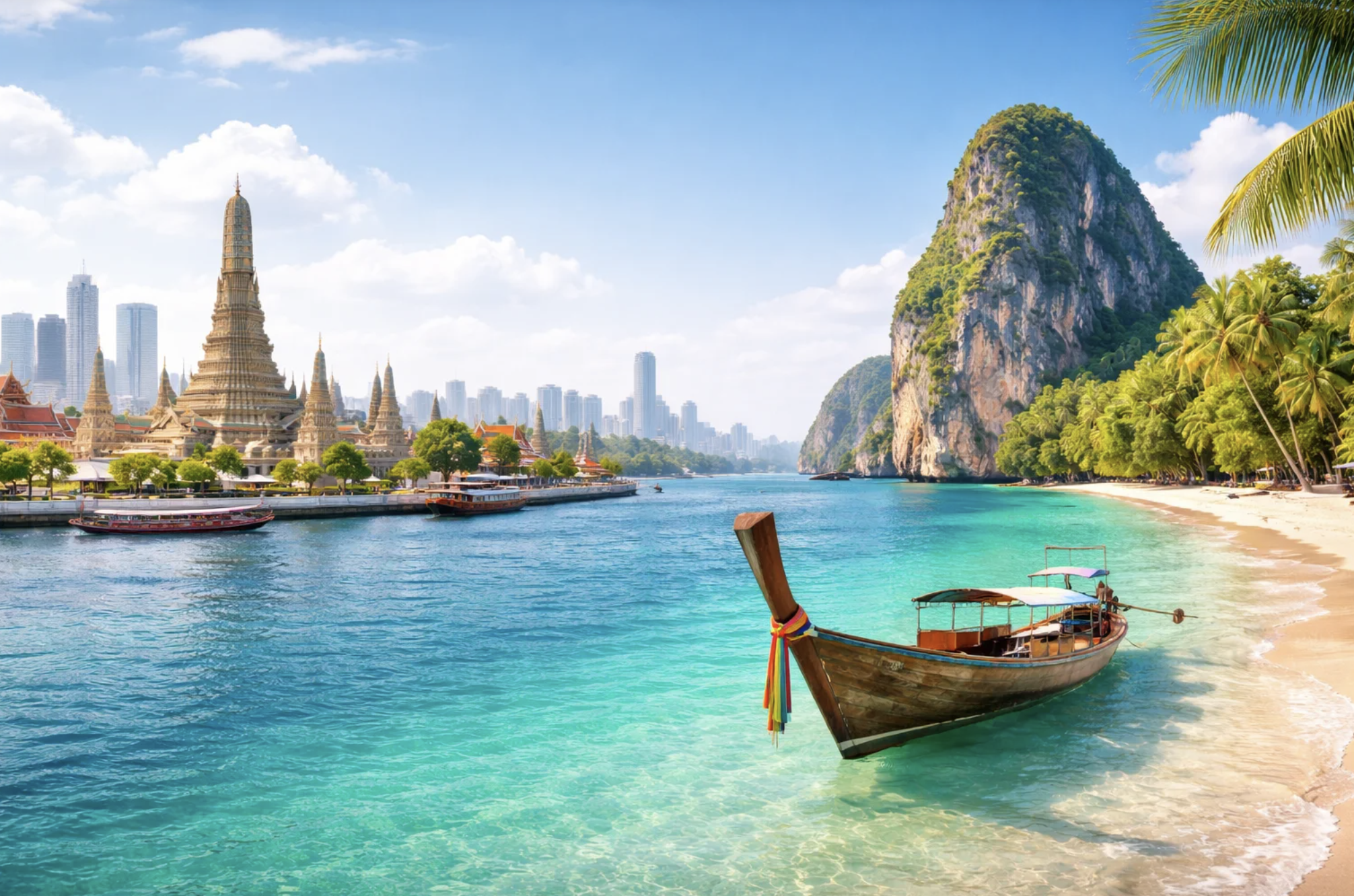
What makes Thailand special is not just the low prices. It’s the balance between affordability and experience. You can wake up in a cheap hostel in Bangkok, eat spicy noodles from a street cart, ride a longtail boat through turquoise water, and end your day watching the sunset on a tropical island without draining your savings. Few countries offer that kind of value. Beginners especially love Thailand because it has excellent tourist infrastructure, friendly locals, easy transportation, and thousands of other travelers sharing the same adventure.
This guide breaks everything down step by step. You’ll learn how much money you actually need, where to stay, how to move around cheaply, what scams to avoid, and how to create the perfect beginner itinerary for 2026.
Why Thailand Is Perfect for First-Time Budget Travelers
Thailand feels like the training ground for international travel. It gives beginners just enough adventure to feel excited while still being easy enough to avoid constant stress. Imagine learning to swim in a calm tropical lagoon instead of jumping into a stormy ocean. That’s exactly what Thailand offers. The tourism system here has evolved around travelers for decades, meaning you’ll find affordable hostels, cheap transportation, English-speaking locals in tourist zones, and helpful signs almost everywhere.
One of the biggest reasons beginners choose Thailand is that mistakes are affordable. Miss a bus? Another one is leaving soon. Booked the wrong hostel? Budget accommodations are everywhere. Accidentally spent too much in Bangkok? Northern Thailand, like Chiang Mai, is much cheaper and helps balance your expenses. This flexibility makes the country forgiving for travelers who are still learning how to manage money abroad.
Thailand also offers a variety that few countries can match. In one trip, you can experience massive modern cities, ancient temples, mountain villages, elephant sanctuaries, tropical beaches, jungle hikes, floating markets, and legendary nightlife. It feels like multiple countries wrapped into one affordable destination. Backpackers often compare Thailand to a buffet table because there’s something for every taste and every budget.
Another reason Thailand remains beginner-friendly is the backpacker community. Hostels are packed with solo travelers sharing tips, routes, and recommendations. You’re rarely alone unless you want to be. Many travelers arrive nervous and leave with lifelong friends because Thailand naturally creates social experiences through tours, hostel events, and group transport.
Don’t miss:
Ultimate Guide: Travel Hacks to Save Money on Your Next Trip
Thailand Entry Requirements and Visa Updates for 2026
Travel rules changed significantly in 2026, so it’s essential to check the latest visa information before booking your flight. Thailand recently tightened some visa-free travel policies due to concerns about visa abuse and illegal work activities. Reports indicate that visa-free stays for many countries may now be shorter than in previous years, making it important to confirm your eligibility before departure.
Many travelers can still enter Thailand without applying for a tourist visa beforehand, but the allowed stay period may vary depending on nationality. Some visitors can extend their stay at immigration offices for an additional fee. Current extension fees are typically around 1,900 Thai Baht. Beginners should always carry proof of onward travel and accommodation bookings because immigration officers sometimes request them.
Thailand also introduced the Thailand Digital Arrival Card (TDAC), which became mandatory for international arrivals. Travelers now complete this online before arrival instead of filling out paper forms on the plane. Think of it as Thailand modernizing its airport process to reduce delays and improve security. Skipping this step can create unnecessary airport stress, so complete it before departure.
Travel insurance is another thing many beginners ignore until something goes wrong. Thailand’s healthcare system is outstanding, though treatment at private hospitals can get costly rather quickly. A simple scooter accident can destroy a tight backpacker budget overnight. Smart travelers treat insurance like a seatbelt: you hope you never need it, but you’ll be thankful if you do.
How Much Money Do You Need for Thailand in 2026?
The biggest myth about Thailand is that it’s “crazy cheap.” Thailand can absolutely be affordable, but your spending habits matter more than the destination itself. Travelers who party every night in Phuket will spend dramatically more than backpackers eating street food in Chiang Mai. Recent 2026 reports estimate that budget travelers spend around ฿800–1,500 daily, while mid-range travelers often spend ฿2,500–4,000 daily.
Here’s a realistic breakdown for beginners:
| Expense | Budget Traveler | Mid-Range Traveler |
| Hostel Dorm | ฿250–500 | — |
| Budget Hotel | ฿600–1,500 | ฿2,000+ |
| Street Food Meal | ฿50–120 | ฿200–500 |
| Local Transport | ฿50–200 | ฿300–600 |
| Activities | ฿100–500 | ฿500–2,000 |
A backpacker staying in hostels and eating local food can survive comfortably on around $25–45 daily. That’s still incredible value in 2026 compared to many destinations around the world.
The hidden danger for beginners is not accommodation or food. It’s the “little extras.” Smoothies, cocktails, island tours, taxis, nightlife, and shopping slowly eat your budget alive. Thailand makes spending easy because everything feels cheap individually. A ฿150 coffee doesn’t sound expensive until you buy three daily.
Experts and experienced travelers on Reddit frequently warn beginners against arriving with unrealistic “ultra-cheap” expectations created by social media influencers. Budget travel should still feel enjoyable, not like survival mode.
Best Time to Visit Thailand on a Budget
Timing changes everything in Thailand. Visit during peak season, and your hostel prices double overnight. Travel during shoulder season, and suddenly you’re getting beachfront rooms for backpacker prices. Understanding Thailand’s seasons is one of the easiest ways to save money without sacrificing experiences.
The cheapest months are generally May through October because this overlaps with Thailand’s rainy season. Beginners often panic when they hear “monsoon season,” imagining endless storms. Reality is much different. In many areas, rain comes in short bursts before sunshine returns. You might get dramatic tropical storms for an hour, followed by beautiful sunsets.
November to February is the peak tourist season. The weather is cooler, drier, and more comfortable, especially in Bangkok and northern Thailand. This period is ideal for sightseeing, but significantly more expensive. Hostels fill quickly, flights rise in price, and famous islands become crowded.
Regional weather differences also matter. Thailand’s climate varies depending on location. Phuket and Krabi may experience heavy rain while Chiang Mai stays relatively dry. Smart travelers move according to weather patterns instead of sticking to one rigid plan.
Budget travelers often choose shoulder months like October or March. These periods offer a sweet spot between good weather and lower prices. It’s like shopping during a sale before the crowds arrive. You still get excellent experiences without paying premium rates.
Step-by-Step Thailand Trip Planning
Planning your first Thailand trip feels overwhelming at first because there are so many choices. Bangkok, Chiang Mai, Phuket, Krabi, Pai, Koh Samui, Koh Tao — the list never ends. Beginners often try squeezing too many destinations into one trip and spend more time traveling than actually enjoying Thailand.
Start with flights. Bangkok usually offers the cheapest international airfare. Booking your trip two to four months ahead usually offers the best value. Budget airlines within Asia frequently offer incredible deals, especially if you travel with only cabin baggage.
For first-time travelers, a simple route works best:
- Bangkok – 3 to 4 days
- Chiang Mai – 4 to 5 days
- Southern islands or beaches – 5 to 7 days
This route balances culture, food, nightlife, nature, and relaxation without exhausting you. Bangkok introduces you to Thailand’s chaos and energy. Chiang Mai slows things down with mountains and temples. Southern Thailand delivers the postcard beaches everyone dreams about.
Bangkok
Bangkok feels like stepping into another universe. Street food smoke rises into the air while tuk-tuks race through traffic and neon signs flash across crowded streets. The city overwhelms many beginners at first, but that chaos becomes part of its charm. Bangkok also has some of the cheapest hostels in Southeast Asia.
Chiang Mai
Chiang Mai is calmer, cheaper, and easier to navigate. Many travelers who planned to stay three days end up staying three weeks. Cafés, night markets, temples, and mountain scenery create a slower lifestyle perfect for budget travelers.
Phuket and Krabi
These southern beach destinations are more expensive than northern Thailand, but they still offer affordable experiences if planned correctly. Avoid beachfront luxury resorts and choose local guesthouses slightly away from tourist hotspots.
Budget Accommodation Tips
Accommodation can either protect your travel budget or destroy it completely. The good news is that Thailand offers options for every traveler type. Dorm beds in hostels still start around ฿250–500 in many areas, while simple private rooms can cost less than a dinner in Western countries.
Hostels are perfect for beginners because they provide instant social connections. Most include Wi-Fi, air conditioning, lockers, and organized activities. Some even have pools, coworking spaces, and rooftop bars despite their low prices.
Budget hotels and guesthouses work better for couples or travelers needing privacy. Surprisingly, private rooms in Thailand are often far cheaper than expected. In Chiang Mai, comfortable budget hotels can cost less than $20 per night.
Booking apps like Agoda and Booking.com dominate Thailand’s accommodation market. Agoda especially tends to offer competitive Asia-focused pricing. Many travelers also negotiate discounts for longer stays by booking directly with guesthouses.
Location matters more than luxury. A cheap hostel far away from attractions may actually cost more once transportation expenses are added. Staying near train stations or city centers often saves both money and time.
Cheap Transportation in Thailand

Transportation in Thailand is part of the adventure. Overnight trains, crowded ferries, colorful tuk-tuks, and cheap domestic flights all create unforgettable experiences. The trick is knowing when to spend and when to save.
Thailand’s train system is excellent for budget travelers. Overnight sleeper trains between Bangkok and Chiang Mai save you one hotel night while transporting you across the country. It’s like turning transportation into accommodation. Budget airlines such as AirAsia and Nok Air also offer cheap domestic flights if booked early.
Local buses remain the cheapest option for short distances. Bangkok’s public transportation system, including the BTS Skytrain and MRT subway, is modern, affordable, and beginner-friendly.
Tourist taxi scams are still common in busy areas. Drivers sometimes refuse to use meters or inflate prices dramatically. The easiest solution is using ride apps like Grab, which display prices before your ride begins.
Tuk-tuks are fun for the experience, but they’re rarely the cheapest option. Think of them as a tourist activity rather than normal transportation. Experienced travelers use them occasionally for fun while relying on buses and trains for everyday travel.
Food Costs and Eating Cheap in Thailand
Thailand’s food scene is one of the greatest reasons to visit. Eating here feels like a daily adventure because every street corner offers something delicious. Better yet, local food remains extremely affordable compared to Western countries.
Street food meals often cost ฿50–120, depending on location. Pad Thai, mango sticky rice, grilled chicken skewers, papaya salad, and noodle soups provide huge flavor at tiny prices. Bangkok’s street food culture especially feels endless.
Beginners often worry about food safety. The safest rule is simple: eat where locals eat. Busy stalls with high turnover usually serve fresher food than empty restaurants targeting tourists. Watching food cooked fresh in front of you also reduces risk.
Convenience stores like 7-Eleven are another secret weapon for budget travelers. Thailand’s 7-Elevens are legendary because they sell cheap meals, snacks, drinks, SIM cards, and essentials 24 hours a day. Many backpackers survive late-night hunger with toasted sandwiches from these stores.
Western food costs significantly more than Thai food. A burger or pizza can equal the price of several local meals. Travelers who insist on eating Western food daily often wonder why their Thailand budget disappears quickly.
Best Budget Activities in Thailand
Thailand proves that unforgettable experiences don’t need massive spending. Some of the country’s best activities are either free or surprisingly affordable. Walking through Bangkok’s Chinatown, exploring Chiang Mai’s temples, or watching sunsets on the beach costs almost nothing.
Temples are among the best low-cost attractions. Places like Wat Arun and Wat Pho in Bangkok charge small entrance fees while offering incredible cultural experiences. Northern Thailand’s mountain temples provide stunning scenery and peaceful escapes from crowded tourist zones.
Island hopping sounds expensive, but budget travelers can reduce costs by joining group tours or using public ferries instead of private boats. Krabi and nearby islands often offer affordable day trips if booked locally rather than online beforehand.
Night markets are another must-do experience. They combine shopping, street food, live music, and people-watching into one affordable evening. Chiang Mai’s Sunday Night Market especially feels magical with its endless rows of handmade crafts and food stalls.
Nature lovers can explore waterfalls, hiking trails, beaches, and national parks without spending much money. Thailand’s beauty often feels like an open-air museum where simply existing in the environment becomes the attraction itself.
Conclusion
Thailand remains one of the best beginner-friendly budget destinations in the world, even in 2026. Yes, prices are slightly higher than in previous years, and new visa rules require more planning, but the country still offers incredible value for travelers who spend wisely. Few places allow you to enjoy tropical beaches, vibrant cities, delicious food, ancient temples, and unforgettable adventures on such a manageable budget.
The secret to successful budget travel in Thailand is balance. Don’t chase unrealistic “$10 a day” fantasies pushed by social media. Instead, focus on smart spending. Use local transportation, eat Thai food, stay in hostels or guesthouses, and prioritize experiences over luxury. Thailand rewards travelers who stay flexible and open-minded.
For beginners, Thailand is more than a destination. It’s often the place where people fall in love with travel itself. The confidence you gain navigating Bangkok streets, bargaining at markets, and making friends in hostels changes the way you see the world. That’s why so many travelers visit Thailand once and keep returning again and again.
FAQs
1. Is Thailand still cheap for backpackers in 2026?
Yes, Thailand is still affordable compared to many global destinations. Budget travelers can comfortably spend around ฿800–1,500 daily, depending on location and travel style.
2. How much money do I need for 2 weeks in Thailand?
A realistic beginner backpacker budget is around $500–900, excluding international flights. Mid-range travelers may spend $1,500 or more, depending on hotels and activities.
3. What is the cheapest city in Thailand for travelers?
Chiang Mai is often considered one of the cheapest and most beginner-friendly cities due to low accommodation and food costs.
4. Is street food safe in Thailand?
Generally yes. Eat at busy stalls with fresh cooking and high customer turnover for the safest experience.
5. What is the best month for budget travel in Thailand?
May to October usually offers lower accommodation prices because it overlaps with the rainy season, although weather conditions vary by region.