

Buy now, pay later services have moved from a niche checkout option into a default payment method offered across clothing stores, electronics retailers, and even grocery delivery apps. The pitch is simple: split a purchase into four equal payments, often with no interest, and walk away with the item today.
That simplicity has driven rapid adoption, but it has also raised questions about how these short-term loans interact with credit scores, household budgets, and the habits that shape long-term financial health. This piece looks at how the model really functions behind the scenes, what it does to a credit profile, and how to use it without letting a convenient checkout option quietly strain a monthly budget.
Building a Clear Picture of How These Apps Work
At checkout, a buy now, pay later provider pays the merchant in full and takes on the risk of collecting from the shopper over time. The shopper typically pays one quarter of the total immediately, then three more equal installments every two weeks, with the full balance cleared within six weeks. Some providers also offer longer plans spanning several months, usually for larger purchases, which may include interest depending on the provider and the specific plan chosen.
The underlying approval process differs sharply from a traditional credit card application. Many providers run only a soft credit check, or sometimes none at all for smaller purchase amounts, which lets approval happen in seconds at checkout rather than over days. This speed is part of what makes the model so appealing to retailers, since a shopper who might abandon a cart over a large total is more likely to complete checkout when the cost is broken into smaller pieces.
- Merchant payment: The provider pays the retailer upfront, taking on the collection risk itself.
- Installment structure: A common format splits the total into four payments over six weeks.
- Approval speed: Soft credit checks or no checks at all allow near-instant checkout decisions.
- Longer-term plans: Some providers offer extended monthly plans, often carrying interest for bigger purchases.
Revenue for these companies comes primarily from merchant fees rather than shopper interest, since most short-term plans carry no interest at all. Merchants pay a percentage of each transaction, similar to a credit card processing fee, in exchange for the increased sales these payment options tend to generate at checkout.
Merchant fees for these services tend to run higher than standard credit card processing rates, sometimes reaching several percentage points of the total sale compared with the two to three percent typical of a card network. Retailers accept this higher cost because studies commissioned by the providers themselves, as well as independent retail data, consistently show higher average order values and lower cart abandonment when a buy now, pay later option sits next to the regular checkout button.
This dynamic explains why the option now appears even on lower-priced items where splitting a payment four ways saves only a few dollars per installment, since the retailer benefit has little to do with the shopper’s real savings and much more to do with completed sales.
Underwriting models used by these providers also differ from traditional lenders in ways that matter for shoppers with thin or damaged credit files. Rather than relying heavily on a credit bureau score, many providers weigh factors like checking account history, prior repayment behavior with the same app, and basic income verification. This approach opens access to shoppers who might be declined for a traditional credit card, though it also means approval can happen for purchases a more conservative underwriting model might have flagged as a stretch for that shopper’s current finances.
Managing Multiple Plans Without Losing Track
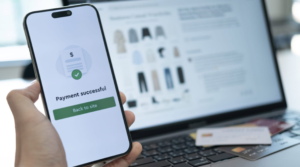
The ease of signing up for a new plan at nearly every checkout creates a specific risk: a shopper can end up juggling several active plans across different apps and retailers without a single place to see the full picture. Each provider only shows payments owed to that specific service, so a shopper using three different apps effectively has three separate payment schedules to track manually.
This fragmentation is where budgets quietly start to strain. A single four-payment plan feels manageable on its own, but five or six active plans running simultaneously across different apps can add up to a substantial biweekly obligation that does not show up clearly on any single statement the way a credit card bill would.
- App fragmentation: Separate balances and due dates spread across multiple unconnected apps.
- Calendar mismatch: Payment dates that do not align with paycheck timing, creating cash flow gaps.
- Hidden totals: No single combined view of total active buy now, pay later debt across providers.
- Autopay surprises: Linked debit cards charging automatically even when an account balance is low.
A simple workaround is keeping a single running list, even a basic note or spreadsheet, logging every active plan, its remaining balance, and its next due date. Checking this list before making a new purchase on a different app helps prevent the kind of fragmented overcommitment that these services make unusually easy to fall into.
Some banking apps and budgeting tools have started building features that scan linked bank accounts for recurring buy now, pay later charges and group them into a single view, which partly addresses the fragmentation problem without requiring manual tracking. Even without a dedicated tool, reviewing a bank statement specifically for these recurring charges once every two weeks, around the typical payment cadence, gives a reasonably current picture of total obligations without needing to log into every individual app.
Setting a personal cap on the number of active plans allowed at one time is another practical guardrail. A limit of two or three concurrent plans keeps the total biweekly obligation within a range most household budgets can absorb without strain, while leaving room for an occasional larger planned purchase. Writing this cap down, rather than relying on memory alone, makes it easier to decline a fourth or fifth plan at checkout even when the approval process makes saying yes the path of least resistance.
Evaluating the Impact on Credit Scores

Whether these plans affect a credit score depends heavily on which provider is used and how payments are handled. For years, most buy now, pay later activity did not appear on credit reports at all, since providers were not consistently reporting to the three major credit bureaus. That has started to change, with some major providers now reporting payment activity, which means the relationship between this tool and credit health is shifting.
When a plan is not reported, timely payments offer no direct credit benefit, but missed payments can still be reported to collections agencies, which does damage credit even without regular reporting. When a plan is reported, on-time payments can function similarly to a small installment loan, potentially offering a modest benefit for a thin credit file, while late or missed payments carry the same downside risk as any other reported debt.
- Soft inquiry impact: Most approval checks use a soft inquiry, which does not affect a credit score.
- Reporting inconsistency: Coverage varies by provider, with some reporting all activity and others reporting almost none.
- Collections risk: Unpaid balances can still reach collections even when routine payments go unreported.
- Credit mix effect: Reported installment activity may diversify a credit file that otherwise leans heavily on revolving credit cards.
Checking a specific provider’s reporting policy before relying on a plan to build credit is worthwhile, since assuming reporting happens when it does not can lead to disappointment for anyone trying to use these plans as a credit-building strategy.
Credit scoring models themselves are still catching up to this payment category. Some of the major scoring formulas have begun adjusting how they treat these installment loans, in part because early versions of the models sometimes penalized a thin credit file that showed several short-term loans opened close together, treating the pattern as a sign of financial stress rather than routine shopping behavior.
As reporting becomes more standard across providers, scoring models are likely to keep adjusting, which means the credit impact of these apps today may look different within a few years as both the reporting practices and the scoring formulas continue to mature.
Exploring the Real Cost Beyond the Sticker Price
The headline appeal of no interest on short-term plans is real for shoppers who pay on schedule, but the cost structure shifts quickly for anyone who misses a payment. Late fees vary by provider but commonly range from seven to thirty-five dollars per missed installment, and some providers pause the ability to make new purchases on any plan until the missed payment is resolved.
Longer-term plans marketed for bigger purchases often do carry interest, sometimes at rates comparable to a store credit card, which can push the total cost of an item well above its original sticker price if payments stretch across many months. Reading the specific terms of a longer plan before agreeing to it matters just as much as checking a credit card’s interest rate before applying.
- Late fee ranges: Typically seven to thirty-five dollars per missed payment, varying by provider and plan size.
- Purchase freezes: Temporary inability to use the service again until an overdue balance is cleared.
- Interest-bearing plans: Longer monthly plans that may carry rates similar to a retail credit card.
- Return complications: Refund timing that can lag behind the payment schedule, creating a temporary cash gap.
Returns deserve a specific mention here, since a returned item does not always cancel a payment plan instantly. Some providers continue to collect scheduled payments until the merchant confirms the return and processes a refund, which can leave a shopper paying for an item they already sent back.
Assessing Who Benefits Most From This Payment Model
These plans are not uniformly good or bad; the outcome depends heavily on how a specific shopper uses them. For someone with steady income and a clear plan for each payment date, splitting a planned purchase into four installments with no interest can be a reasonable cash flow tool, especially for a larger planned expense like a mattress or a piece of furniture.
For someone using these plans to afford purchases that would otherwise be skipped entirely, or stacking several plans across multiple retailers at once, the risk profile changes sharply. The same convenience that helps one shopper manage cash flow can enable another shopper to overspend well beyond what a single paycheck can comfortably support.
- Planned purchases: Shoppers splitting a known, budgeted expense into predictable installments.
- Steady income: Reliable paycheck timing that lines up with the biweekly payment schedule.
- Impulse-driven use: Shoppers using the installment option to justify purchases outside their normal budget.
- Stacked plans: Multiple simultaneous plans across different retailers that strain a single pay cycle.
A simple self-check before using one of these plans is asking whether the purchase would happen at all if full payment were required today. If the honest answer is no, that is a signal the purchase may not fit within the current budget regardless of how the payment is structured.
Balancing Convenience Against Long-Term Financial Habits
Beyond the mechanics of fees and credit reporting, these apps shape spending behavior in ways that are easy to overlook. Breaking a purchase into smaller pieces reduces the psychological weight of the decision, a well-documented effect in behavioral finance research that predates these specific apps by decades. A two-hundred-dollar item framed as four fifty-dollar payments simply feels smaller, even though the total cost is identical.
This framing effect is not inherently harmful, but it does mean the usual mental brakes that stop an impulse purchase, like glancing at a bank balance before checkout, can fail to engage the way they would with a single larger charge. Building a habit of mentally converting every installment plan back into its full total cost before deciding, rather than evaluating each payment in isolation, helps restore that missing friction.
- Framing effect: Smaller individual payments reducing the perceived size of a purchase decision.
- Missing friction: Fewer natural pauses before completing a purchase compared with paying in full.
- Total-cost habit: Mentally adding up all installments before deciding, rather than judging one payment alone.
- Budget category tracking: Treating buy now, pay later purchases as part of the same monthly budget as other spending, not a separate pool of money.
Retailers benefit from this framing too, since average order values tend to rise when these payment options are offered at checkout. Being aware of that incentive on the retailer side is a useful reminder that the convenience is not purely neutral; it is also a sales tool designed to increase spending.
Household budgeting conversations increasingly need to account for this category explicitly rather than folding it into a vague catch-all for discretionary spending. A monthly budget review that asks directly how much is owed across all active installment plans, alongside the usual review of credit card balances and recurring subscriptions, gives a more complete picture of near-term obligations. Couples and roommates sharing household expenses benefit from this same visibility, since one person’s installment plans can quietly affect shared financial goals if they are never discussed openly during a regular budget check-in.
Final Thoughts
Buy now, pay later apps are neither a financial trap nor a free lunch; they are a payment tool whose impact depends almost entirely on how it gets used. For a shopper with steady income and a clear plan for each installment, the model can offer a reasonable way to manage the timing of a planned purchase without added cost. For a shopper stacking plans across multiple retailers or leaning on installments to afford purchases that would otherwise be skipped, the same convenience becomes a quiet source of budget strain that rarely shows up clearly until several payments come due at once.
Treating every plan as part of one unified budget, checking each provider’s credit reporting and fee policies before signing up, and asking honestly whether a purchase would happen without the installment option are the habits most likely to keep this tool working in a shopper’s favor rather than against it.
Frequently Asked Questions
Do buy now, pay later apps charge interest?
Most short-term, four-payment plans carry no interest as long as payments are made on time. Longer plans for bigger purchases sometimes include interest, so checking the specific terms before agreeing to a longer plan is worthwhile.
Will using these apps help build credit history?
It depends on the provider. Some now report payment activity to credit bureaus, which can offer a modest benefit for on-time payments, while others do not report at all, meaning there is no credit-building benefit from using them.
What happens if a payment is missed?
Most providers charge a late fee and may pause the ability to make new purchases until the balance is resolved. Some providers also report missed payments to collections agencies even if they do not report routine on-time payments.
Can multiple plans be open across different retailers at once?
Yes, and this is one of the bigger risks of the model. Each app tracks only its own balances, so a shopper can accumulate several active plans across different services without a single combined view of total obligations.
Are these plans a good substitute for a credit card?
They serve a different purpose. A credit card offers ongoing revolving credit and broader purchase protections, while these plans are typically limited to a single purchase with a fixed, short repayment schedule and fewer built-in protections.
How can someone avoid overusing these apps?
Keeping a single list of active plans, treating installment purchases as part of the normal monthly budget, and asking whether a purchase would happen without the payment option are all practical ways to keep usage in check.