
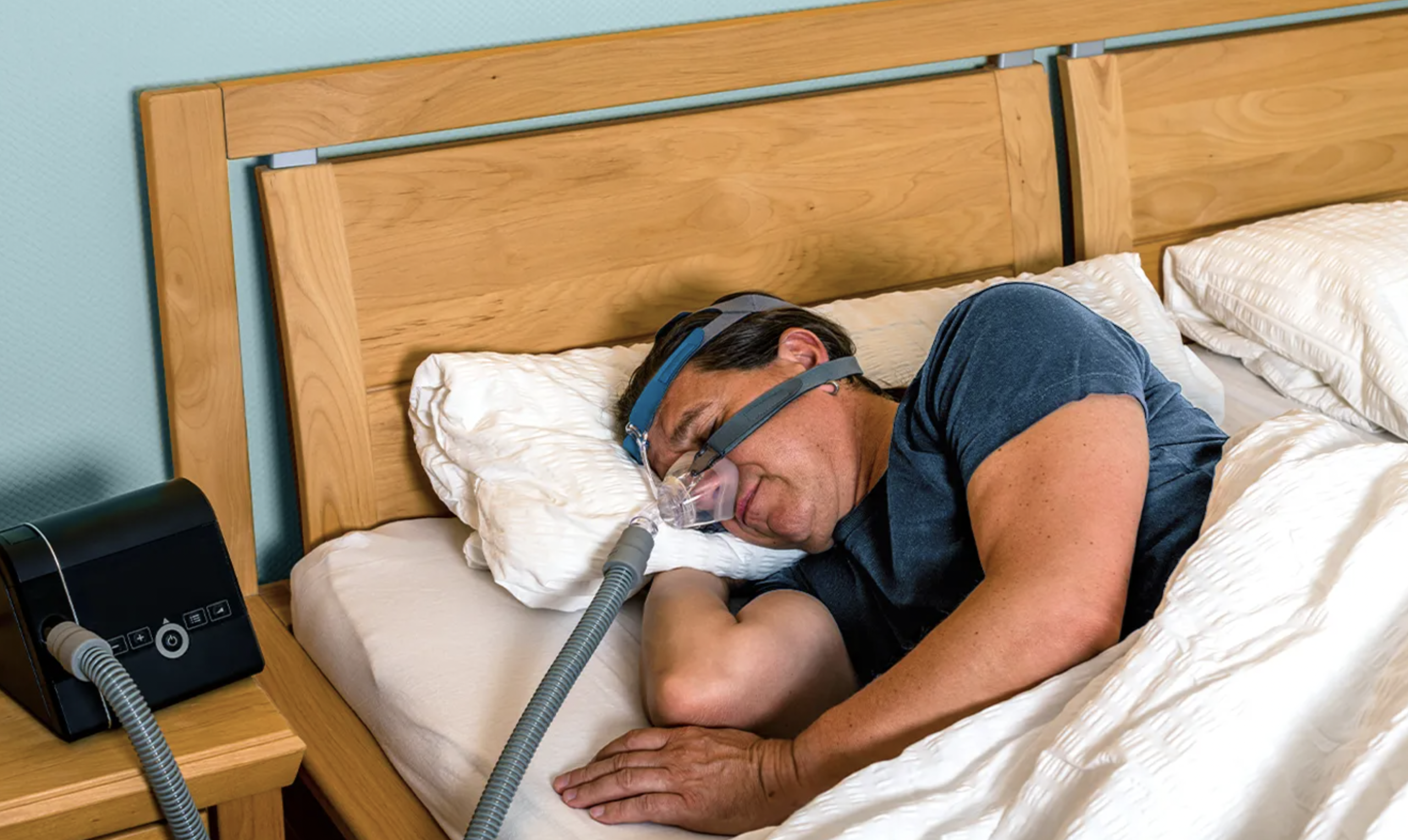
Loud snoring gets treated as a punchline more often than a medical clue, but for a large share of people who snore heavily, the sound is a symptom of something with real consequences: repeated pauses in breathing throughout the night that quietly strain the heart, the brain, and daytime energy levels. Sleep apnea is common, frequently undiagnosed for years, and treatable once identified, yet many people dismiss the warning signs as ordinary tiredness or simply getting older.
Knowing what to watch for, what a diagnosis involves, and which treatment paths exist can turn a vague sense of exhaustion into a manageable, well-defined condition.
Recognizing the Warning Signs
Obstructive sleep apnea happens when the muscles at the back of the throat relax during sleep and partially or fully block the airway, causing breathing to stop for seconds at a time before the brain triggers a gasp or snort that restarts airflow. This cycle can repeat dozens or even hundreds of times a night without the sleeper remembering any of it, which is part of why the condition goes unnoticed for so long. A bed partner is often the first to notice, since the person experiencing the apnea events is typically unaware their breathing paused at all.
Daytime symptoms tend to be the clue that finally prompts a doctor’s visit. Persistent fatigue despite a full night in bed, difficulty concentrating, irritability, and morning headaches are common complaints. Some people fall asleep unintentionally during quiet activities like reading, watching television, or even driving, which is one of the more dangerous downstream effects of untreated apnea. A few signs stand out and tend to prompt people to seek an evaluation:
- Loud, chronic snoring: Especially snoring punctuated by gasping, choking, or silent pauses noticed by a partner.
- Excessive daytime sleepiness: Feeling drowsy during the day despite what seems like adequate time asleep.
- Morning headaches: Waking with a dull headache that fades within an hour or two of getting up.
- Dry mouth or sore throat on waking: A sign of mouth breathing or airway strain overnight.
- Nighttime awakenings with gasping: Waking abruptly feeling short of breath, sometimes without a clear memory of why.
Risk Factors That Raise the Odds
Sleep apnea can affect people of any age, weight, or body type, but certain factors raise the likelihood of developing it. Excess body weight is one of the most recognized contributors, since additional soft tissue around the neck and throat can narrow the airway. Anatomical factors also play a role independent of weight, including a naturally narrow airway, enlarged tonsils, or a recessed jaw structure.
Age and sex both factor in as well. Risk tends to climb with age as muscle tone in the throat decreases, and men are diagnosed more often than women, though the gap narrows after menopause. Family history matters too, since airway anatomy and muscle tone can run in families. Alcohol use before bed, sedative medications, smoking, and sleeping on the back rather than the side can all worsen episodes on a given night even in people whose baseline risk is otherwise moderate.
Certain medical conditions raise the odds as well, including high blood pressure, type 2 diabetes, and a family or personal history of nasal congestion or structural airway issues. None of these factors guarantees a diagnosis, but a cluster of them alongside the classic symptoms is a reasonable prompt to raise the topic with a doctor rather than assume it will resolve on its own.
Getting Tested: What a Sleep Study Involves
A formal diagnosis generally comes from a sleep study, known clinically as polysomnography, which records breathing patterns, oxygen levels, heart rate, and brain activity throughout the night. Traditionally these studies were conducted in a sleep lab with technicians monitoring in real time, though home sleep apnea testing has become far more common in recent years for people with a straightforward suspected case.
A home test typically involves wearing a small monitoring device that tracks airflow, breathing effort, and blood oxygen saturation overnight in your own bed. It is less comprehensive than an in-lab study, which also tracks brain wave activity and can detect other sleep disorders beyond apnea, but it is more convenient and often less costly, and a doctor may recommend it as a reasonable first step. If a home test is inconclusive or symptoms suggest a more complicated case, an in-lab study is usually the next recommended step.
Results are typically expressed through a measure called the apnea-hypopnea index, or AHI, which reflects the average number of breathing interruptions per hour of sleep. A doctor uses this figure along with oxygen desaturation levels and reported symptoms to classify severity as mild, moderate, or severe, which in turn shapes the treatment conversation that follows.
CPAP Therapy and How It Works
Continuous positive airway pressure, or CPAP, remains the most established treatment for moderate to severe obstructive sleep apnea. The device delivers a steady stream of pressurized air through a mask worn during sleep, keeping the airway open and preventing the collapses that cause breathing pauses. For many people, using CPAP consistently produces a fast and dramatic improvement in daytime energy and sleep quality once the body adjusts to wearing the mask.
Adjusting to CPAP takes patience. Mask fit, air pressure settings, and humidity levels can all affect comfort, and modern machines allow adjustments across all three. Common early complaints include a feeling of claustrophobia, dry mouth, or nasal congestion, most of which can be addressed with a different mask style, a humidifier attachment, or a pressure ramp feature that starts gentle and increases gradually as the user falls asleep.
- Full-face masks: Cover the nose and mouth, often recommended for people who breathe through their mouth at night.
- Nasal pillow masks: A minimal design that sits at the base of the nose, preferred by some for its lighter feel.
- Nasal masks: Cover just the nose, a middle ground between the two other styles in coverage and comfort.
- Auto-adjusting machines: Devices that vary pressure automatically throughout the night based on detected airflow resistance.
Consistency matters more than perfection with CPAP. Studies and clinical experience both point to the same pattern: partial or inconsistent use provides far less benefit than nightly use, even if the mask feels imperfect at first. Many sleep clinics track usage data remotely and can adjust settings based on how the device is performing on a given person’s airway, so staying in touch with a provider during the adjustment period is worth the effort.
Alternative and Supplemental Treatments
CPAP is not the only option, and for people with mild to moderate apnea, or those who cannot tolerate a CPAP mask, several alternatives exist. Oral appliances fitted by a dentist trained in sleep medicine reposition the jaw or tongue slightly forward to keep the airway open, and they tend to be more portable and less intrusive than a CPAP machine, though generally considered less powerful for severe cases.
Positional therapy addresses cases where apnea worsens specifically when sleeping on the back, using a wearable device or specialized pillow that encourages side sleeping. Weight loss, when excess weight is a contributing factor, can reduce or in some cases resolve mild apnea, though it is rarely a fast or guaranteed fix and works best alongside other treatments rather than as a standalone plan.
Surgical options exist for select cases, ranging from procedures that remove excess tissue in the throat to more involved jaw repositioning surgery, and newer options include an implanted device that stimulates a nerve controlling tongue movement to keep the airway open. These are typically reserved for people who have not responded well to CPAP or oral appliances, and a sleep medicine specialist is best positioned to evaluate which candidates might benefit.
- Oral appliances: Custom-fitted devices worn at night that reposition the jaw to reduce airway collapse.
- Positional therapy devices: Tools that discourage back sleeping for people whose apnea is worse in that position.
- Weight management support: Structured nutrition or medical weight-loss guidance when excess weight is a contributing factor.
- Upper airway surgery: Procedures considered when other treatments fail or anatomy strongly favors a surgical fix.
- Hypoglossal nerve stimulation: An implanted device option for select patients who cannot tolerate CPAP.
Living With Sleep Apnea Day to Day
Beyond the mask or appliance itself, daily habits shape how well sleep apnea treatment holds up over time. Alcohol relaxes throat muscles further and tends to worsen apnea events, so limiting drinks in the hours before bed is a common recommendation. Maintaining a consistent sleep schedule, keeping the bedroom cool and dark, and avoiding heavy meals close to bedtime all support better sleep quality generally, and they complement whatever primary treatment is in place.
Traveling with CPAP equipment is a common practical concern, and most manufacturers make travel-sized machines built to meet airline carry-on requirements, since a CPAP machine is typically exempt from standard luggage limits as medical equipment. Keeping a spare set of filters, a backup power adapter, and travel documentation of the prescription can prevent a disrupted trip from turning into a week without treatment.
Partners and family members often play a role in noticing whether treatment is working, since the person being treated may not fully perceive the improvement themselves until enough time has passed. Sharing observations about energy, mood, and snoring with a treating physician at follow-up visits helps fine-tune settings or flag if a different treatment path should be considered. Cleaning routines also matter more than most new users expect. Masks, tubing, and water chambers accumulate oils, bacteria, and mineral deposits from tap water over time, which can lead to skin irritation, unpleasant odors, or a shortened equipment lifespan.
Most manufacturers recommend washing the mask cushion daily with mild soap and water, along with a weekly cleaning of the tubing and water chamber, and using distilled water in the humidifier rather than tap water to reduce mineral buildup. Replacing filters and cushions on the schedule recommended by the manufacturer, rather than waiting until they visibly wear out, keeps the therapy working as intended and reduces the odds of skin breakdown around the mask seal.
Sleep tracking apps paired with modern CPAP machines have also made it easier for patients to stay engaged with their own progress rather than waiting for a periodic doctor visit to learn how treatment is going. Many machines now sync nightly data, including hours of use, residual breathing events, and mask seal quality, to a smartphone app, giving a fuller picture between formal appointments. Reviewing this data periodically, rather than assuming the machine is working correctly by default, can catch a slipping mask seal or a pressure setting that no longer matches current needs before it becomes a bigger problem.
Complications of Leaving Sleep Apnea Untreated
Leaving substantial sleep apnea unaddressed carries risks beyond daytime tiredness. Repeated drops in blood oxygen and the stress response triggered by each breathing interruption place strain on the cardiovascular system over time, and untreated apnea is associated with higher rates of high blood pressure, irregular heart rhythms, and broader cardiovascular strain. Because these effects accumulate gradually, people sometimes attribute a slow decline in overall health to aging rather than to an underlying, treatable sleep disorder.
Cognitive effects are also worth taking seriously. Chronic sleep fragmentation impairs memory consolidation and concentration, and the daytime sleepiness that results contributes to a higher risk of drowsy driving accidents and workplace errors, a concern regulators have increasingly focused on for commercial drivers and pilots specifically because of this connection. Mood is affected too, with untreated apnea linked to higher rates of irritability and depressive symptoms that often improve once treatment begins working.
- Cardiovascular strain: Repeated oxygen drops and stress responses place added strain on the heart and blood vessels over years of untreated apnea.
- Cognitive decline: Memory, focus, and decision-making can suffer from chronically fragmented, low-quality sleep.
- Drowsy driving risk: Excessive daytime sleepiness raises the odds of accidents, a concern regulators watch closely for commercial drivers.
- Mood disturbances: Untreated apnea is linked with higher rates of irritability and depressive symptoms in various studies.
Choosing Between Treatment Paths
Deciding on a treatment path is a conversation best had with a sleep medicine physician who can weigh test results, anatomy, lifestyle, and personal preference together rather than defaulting to a single option for everyone. Severity matters: someone with a high AHI and substantial oxygen desaturation is usually steered toward CPAP as the first-line option because of its strong track record, while someone with a milder case and specific anatomical findings might be a better fit for an oral appliance from the outset.
Cost and insurance coverage also shape the decision in practice. CPAP machines, masks, and supplies are generally covered at least in part by health insurance, though replacement schedules for masks and filters vary by plan. Oral appliances are covered by some dental and medical plans but not universally, so checking coverage before committing to a path can avoid an unwelcome bill.
Ultimately, the right treatment is the one a person will use consistently. A device with impressive clinical results provides no benefit sitting in a drawer, so comfort, lifestyle fit, and a willingness to work through an adjustment period with a provider often matter as much as the raw clinical severity of the diagnosis.
Final Thoughts
Sleep apnea often hides behind symptoms that get written off as ordinary fatigue, but it responds well to identification and consistent treatment once diagnosed. A sleep study, whether conducted at home or in a lab, provides the data needed to classify severity and guide the choice between CPAP, an oral appliance, positional therapy, or in some cases surgery.
None of these paths work without consistency, and the best outcomes tend to come from people who treat the diagnosis as a long-term condition to manage rather than a one-time fix. Anyone noticing loud snoring, witnessed breathing pauses, or persistent daytime exhaustion has good reason to raise the topic with a doctor rather than assume it will pass with time.
Frequently Asked Questions
Can sleep apnea go away on its own without treatment?
Mild cases sometimes improve with weight loss, reduced alcohol use, or positional changes, but sleep apnea generally does not resolve without some form of intervention, and moderate to severe cases typically require ongoing treatment rather than a one-time fix.
Is snoring always a sign of sleep apnea?
No, snoring alone is common and does not always indicate apnea. It becomes more concerning when paired with witnessed breathing pauses, gasping, or daytime sleepiness, which are the combination that typically prompts a referral for testing.
How long does it take to get used to a CPAP machine?
Adjustment periods vary widely, but many people report a real improvement in comfort within a few weeks of consistent nightly use, especially once mask fit and pressure settings are adjusted based on early feedback.
Do children get diagnosed with sleep apnea too?
Yes, pediatric sleep apnea exists and is often linked to enlarged tonsils or adenoids rather than weight. Signs in children can include snoring, restless sleep, bedwetting, and daytime behavioral issues, and treatment often involves a different approach than in adults.
Can losing weight cure sleep apnea completely?
Weight loss can reduce the severity of apnea in people where excess weight is a contributing factor, and in some mild cases it can resolve symptoms, but it is not a guaranteed cure and anatomy or other risk factors can mean apnea persists even after weight loss.
What happens during a follow-up sleep study after starting treatment?
A follow-up study, sometimes done at home or in a lab, checks whether current treatment settings are adequately controlling breathing interruptions and oxygen levels, allowing a physician to fine-tune pressure settings or reassess the treatment plan if needed.