
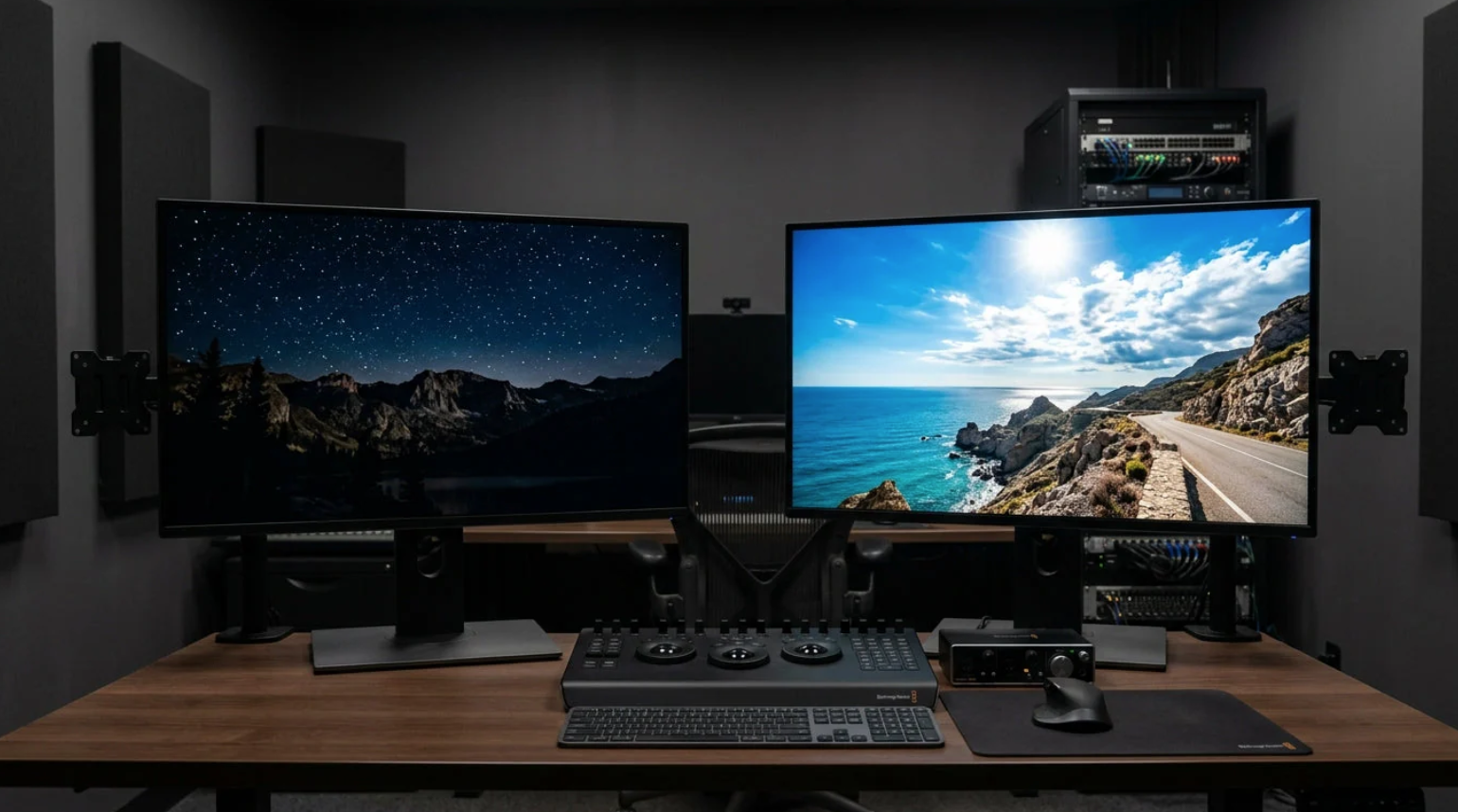
Buying a new TV, monitor, or laptop has become more confusing than ever. Just a few years ago, choosing a display mostly meant deciding between LCD and LED. Today, you’ll often see devices advertised with OLED or Mini LED technology. Both promise better picture quality, richer colors, and an improved viewing experience. But which one actually delivers the best value?
The answer isn’t as simple as picking the newer or more expensive option. OLED and Mini LED are designed differently, and each excels in different situations. If you mainly watch movies in a dark room, your ideal choice may not be the same as someone who works in a bright office or plays competitive games.
This guide explains OLED vs Mini LED in simple English. You’ll learn how each technology works, their strengths and weaknesses, and which one is the better choice depending on your needs. Whether you’re shopping for a television, gaming monitor, or premium laptop, understanding these differences can help you spend your money wisely and avoid buying features you don’t actually need.
What Is OLED Technology?
OLED stands for Organic Light-Emitting Diode. Unlike traditional LED displays, OLED screens do not require a separate backlight. Instead, every individual pixel creates its own light. This small difference completely changes how the display performs.
Think of every pixel as its own tiny light bulb. When a scene needs perfect black, those pixels simply turn off. Since no light is produced, the black areas become truly black instead of dark gray. This creates an incredibly high contrast ratio and makes images appear more realistic.
Imagine watching a movie set in outer space. On an OLED screen, the background looks completely black while stars remain bright and sharp. Since there is no light leaking from surrounding pixels, the picture feels deeper and more immersive.
Another advantage is color accuracy. Because every pixel is individually controlled, OLED displays produce vibrant colors without looking oversaturated. Skin tones appear natural, landscapes look lifelike, and HDR movies benefit from outstanding detail.
OLED also provides excellent viewing angles. If several people are watching TV from different seats, everyone sees nearly the same colors and brightness without noticeable distortion.
However, OLED isn’t perfect. Since organic materials naturally age over time, prolonged display of static images can eventually cause burn-in, although modern OLED panels include many technologies that significantly reduce this risk. Brightness is also generally lower than premium Mini LED displays, especially in rooms with lots of sunlight.
What Is Mini LED Technology?
Mini LED is an advanced version of traditional LED LCD displays. Instead of a few hundred large LEDs behind the screen, Mini LED uses thousands of much smaller LEDs. These tiny LEDs create hundreds or even thousands of local dimming zones that can brighten or darken independently.
Although every pixel still doesn’t control its own light like OLED, Mini LED dramatically improves traditional LCD performance.
Imagine watching a football match during the afternoon with sunlight coming through your windows. A Mini LED TV can reach extremely high brightness levels, making the picture remain vibrant and easy to see even in bright conditions.
Local dimming also helps improve contrast. When one part of the image is dark, nearby lighting zones dim accordingly while brighter areas stay illuminated. Although this isn’t as precise as OLED’s pixel-level lighting, modern Mini LED displays produce impressive black levels compared to older LCD televisions.
Mini LED is especially attractive for larger televisions because manufacturers can achieve very high brightness without significantly increasing production costs. This makes HDR content appear more dramatic with brilliant highlights, sparkling reflections, and bright explosions.
Another benefit is durability. Since Mini LED relies on traditional LCD technology rather than organic compounds, users generally don’t worry about permanent burn-in, making it a safer choice for people who leave news channels, dashboards, or productivity software open for long periods.
OLED vs Mini LED: How Do They Actually Differ?
Although both technologies aim to improve picture quality, they take completely different approaches.
OLED creates light directly from every individual pixel. Mini LED relies on thousands of tiny LEDs behind an LCD panel to illuminate groups of pixels.
This difference affects nearly every aspect of display performance.
OLED produces perfect blacks because each pixel can switch completely off. Mini LED creates very dark blacks, but some light may still leak into nearby areas due to shared lighting zones.
Mini LED wins in brightness. Premium models often reach over 2,000 nits, making HDR highlights extremely impactful. OLED displays continue improving every year, but most remain somewhat dimmer than top Mini LED models.
Motion handling is another difference. OLED pixels respond almost instantly, reducing blur during fast-moving scenes. This makes sports, racing games, and action movies appear smoother.
Mini LED displays depend more on LCD response times, which have improved significantly but generally remain slower than OLED.
Power consumption also varies. OLED uses less power during dark scenes because black pixels consume virtually no electricity. Mini LED maintains backlighting regardless of image content, though newer models have become much more energy efficient.
The result is that neither technology is universally better. Their strengths simply match different types of users.
Picture Quality Comparison
Picture quality is where most buyers notice the biggest differences.
OLED has long been considered the reference standard for image quality because of its infinite contrast ratio. Dark scenes reveal incredible shadow detail without unwanted glow. This makes cinematic content feel more immersive.
Mini LED counters with extremely bright HDR performance. Sunlight reflecting on water, fireworks, explosions, or bright city lights often appear more dramatic due to higher peak brightness.
Color accuracy is excellent on both technologies. Premium OLED and Mini LED displays can both reproduce wide color gamuts used in modern HDR movies and games.
One area where OLED clearly leads is blooming control. Blooming occurs when bright objects create visible halos against dark backgrounds. Since Mini LED controls groups of pixels rather than individual pixels, slight blooming can still appear around subtitles or stars in night scenes.
For casual viewing, many users barely notice it. Movie enthusiasts, however, often prefer OLED’s cleaner presentation.
If your priority is absolute cinematic quality, OLED generally remains the winner.
If your priority is bright HDR impact in well-lit rooms, Mini LED often performs better.
Brightness and HDR Performance
Brightness matters more than many people realize. It affects visibility, HDR quality, and overall comfort during daytime viewing.
Mini LED currently dominates this category.
Its thousands of LEDs allow manufacturers to produce extremely high brightness levels without overheating the display. This makes HDR movies look spectacular because bright highlights stand out dramatically against darker backgrounds.
Imagine watching a sunset documentary. The sunlight appears intensely bright while maintaining impressive detail throughout the image.
OLED displays have improved significantly in recent generations. Premium OLED TVs are now much brighter than earlier models, making HDR far more impressive than before.
Still, Mini LED generally delivers brighter full-screen images and stronger HDR highlights.
This becomes particularly noticeable in living rooms with large windows or offices where sunlight reflects off the screen.
If your room is usually bright during the day, Mini LED often provides the better viewing experience.
If you mostly watch TV at night with dim lighting, OLED’s perfect contrast often creates the more cinematic image despite slightly lower brightness.
Gaming Performance: Which Technology Is Better?
Modern gamers demand more than beautiful graphics. They also expect fast response times, smooth gameplay, and low input lag.
Fortunately, both OLED and Mini LED perform exceptionally well.
OLED has nearly instant pixel response times. Fast-moving enemies remain sharp, camera pans look smoother, and motion blur is minimal. Competitive gamers appreciate this responsiveness in games like first-person shooters and racing simulators.
Mini LED gaming monitors have also become excellent. Many support 144Hz, 165Hz, 240Hz, or even higher refresh rates with variable refresh technologies such as FreeSync and G-SYNC compatibility.
The biggest gaming difference usually comes down to image quality.
OLED delivers richer contrast and deeper immersion during darker games like horror titles or cinematic adventures.
Mini LED provides brighter visuals that remain easy to see during daytime gaming sessions.
For PC users who leave desktop icons or taskbars visible for many hours daily, Mini LED offers additional peace of mind because burn-in concerns are practically nonexistent.
Professional esports players often focus more on refresh rate than display technology, but for immersive single-player gaming, OLED continues to impress.
OLED vs Mini LED for TVs
Televisions represent one of the biggest battlegrounds between these technologies.
If you primarily watch movies, streaming services, and television dramas during the evening, OLED often delivers the most enjoyable experience. Perfect blacks create incredible depth that resembles commercial cinema projection.
Families with bright living rooms, however, may prefer Mini LED.
A Mini LED TV remains bright enough to overcome sunlight while still providing excellent HDR performance. Sports broadcasts also benefit from the additional brightness.
For example:
A family watching cartoons throughout the day will likely appreciate Mini LED’s brightness.
A movie enthusiast watching Netflix after sunset may enjoy OLED’s cinematic contrast more.
Both technologies support modern gaming consoles extremely well, including HDMI 2.1 features like 4K at 120Hz, VRR, and ALLM on compatible models.
OLED vs Mini LED for Monitors and Laptops
The best display depends on how you use your computer.
Creative professionals often love OLED because photos and videos display richer colors and exceptional contrast. Video editors especially appreciate accurate black levels while color grading.
Programmers, office workers, and spreadsheet users may lean toward Mini LED. Static windows remain on-screen for hours without any concern about image retention.
Laptop users also benefit differently.
OLED laptops provide stunning visuals for entertainment and creative work.
Mini LED laptops often offer longer sustained brightness for outdoor use, making them ideal for business professionals and travelers.
Students who frequently switch between studying, gaming, and streaming should consider both options carefully rather than assuming one technology fits every situation.
Lifespan, Burn-In, and Reliability
One of the biggest concerns people have about OLED displays is burn-in.
Burn-in happens when static images remain displayed for extremely long periods, leaving faint permanent marks. Examples include TV channel logos, desktop taskbars, or game HUD elements.
Fortunately, modern OLED displays include several protection systems:
- Pixel shifting
- Automatic brightness adjustment
- Pixel refresh cycles
- Logo detection
- Screen savers
For most normal users who watch varied content, burn-in is far less common than it was years ago.
Mini LED avoids this issue almost entirely because it uses LCD technology.
If your display will continuously show spreadsheets, security camera feeds, stock charts, or office software, Mini LED offers extra long-term confidence.
For mixed daily use involving movies, games, browsing, and streaming, modern OLED displays are generally very reliable.
Price and Value for Money
Pricing varies depending on size, manufacturer, and premium features.
OLED displays have become much more affordable over the past few years, but they still tend to cost more than comparable Mini LED models.
Mini LED offers impressive performance for the price. Buyers often receive larger screens, higher brightness, and advanced HDR at a lower cost.
However, value isn’t only about price.
A movie lover may gladly spend extra for OLED’s perfect blacks.
Someone shopping for a family television may receive better overall value from a bright Mini LED TV that performs well in every lighting condition.
Always compare the complete package rather than focusing on display technology alone. Features like processor quality, gaming support, speakers, software updates, and warranty also affect long-term satisfaction.
Common Buying Mistakes to Avoid
Many buyers assume OLED automatically beats Mini LED in every category. That’s not true.
Another common mistake is ignoring room lighting. A display that looks amazing in a dark showroom may behave differently in a sunny living room.
People also focus too heavily on specifications while forgetting actual usage.
Ask yourself:
- Will you mostly watch movies?
- Do you game every day?
- Is your room bright or dark?
- Will static content stay on screen for hours?
- What’s your realistic budget?
Answering these questions often makes the right choice much clearer.
Which One Should You Buy?
Choose OLED if you:
- Love watching movies at night
- Want perfect blacks and outstanding contrast
- Care about premium cinematic picture quality
- Enjoy immersive gaming
Choose Mini LED if you:
- Watch TV in bright rooms
- Want maximum HDR brightness
- Use your display for productivity
- Prefer lower burn-in risk
- Want excellent performance at a competitive price
Neither technology is objectively better for everyone.
The best display is simply the one that matches your viewing habits.
Practical Takeaways
Before making your purchase, compare displays in person whenever possible. Store demonstrations cannot perfectly recreate home conditions, but they help you judge brightness, colors, and motion.
Measure your room lighting, decide how you’ll actually use the display, and avoid paying extra for features you’ll rarely notice.
For most movie enthusiasts, OLED remains the premium viewing experience.
For bright environments, family use, and productivity, Mini LED often provides the best balance between performance, reliability, and price.
Conclusion
The OLED vs Mini LED debate doesn’t have a universal winner because both technologies solve different problems.
OLED delivers unmatched contrast, perfect black levels, fast response times, and an incredibly cinematic viewing experience. It remains the favorite choice for film lovers, gamers, and anyone who prioritizes picture quality above everything else.
Mini LED shines with exceptional brightness, impressive HDR performance, excellent durability, and strong value for money. It’s an outstanding option for bright living rooms, productivity setups, and users who want premium performance without worrying about burn-in.
Instead of asking which technology is better, ask which one fits your lifestyle. Matching your display to your daily habits will always lead to a better experience than simply buying the most expensive screen.
For additional information about display technologies and HDR standards, visit the official VESA DisplayHDR website: https://displayhdr.org/
Frequently Asked Questions
1. Is OLED better than Mini LED?
OLED offers better contrast, perfect black levels, and faster pixel response. Mini LED provides higher brightness, lower burn-in risk, and often better value. The best choice depends on how you use your display.
2. Which lasts longer, OLED or Mini LED?
Mini LED generally has a longer lifespan for heavy productivity because it doesn’t use organic light-emitting materials. Modern OLED displays are also very durable for normal everyday use.
3. Is Mini LED good for gaming?
Yes. Mini LED gaming monitors offer high refresh rates, low input lag, and excellent HDR brightness. They are a great choice for both competitive and casual gamers.
4. Can OLED suffer from burn-in?
Yes, but modern OLED displays include advanced protection features that greatly reduce the risk. Most users who watch varied content never experience noticeable burn-in.
5. Is Mini LED brighter than OLED?
Yes. Mini LED displays typically achieve much higher peak brightness, making them excellent for HDR content and bright rooms.
6. Which is better for watching movies?
OLED is usually the better choice because it produces perfect blacks, excellent contrast, and a more cinematic viewing experience.
7. Which technology is better for office work?
Mini LED is generally better for office work because static windows can remain on screen for long periods without concerns about burn-in.
8. Is OLED worth paying extra for?
If you value premium picture quality, movie watching, and immersive gaming, OLED is often worth the higher price. If brightness and affordability matter more, Mini LED may provide better overall value.