
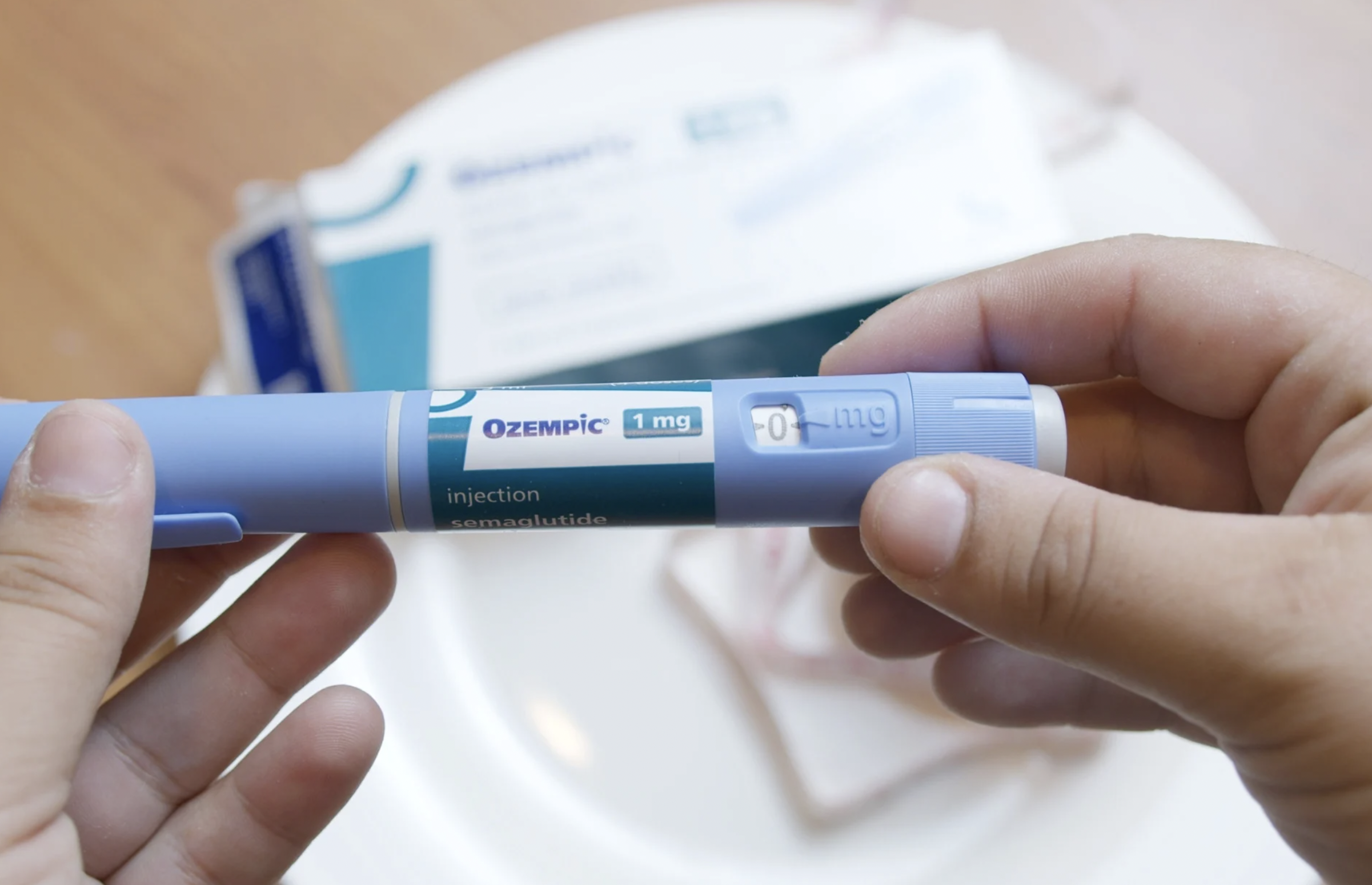
A woman in her late forties stands in line at a suburban pharmacy, waiting to hear whether her insurance will cover a medication her doctor prescribed for type 2 diabetes. The pharmacist explains that the drug is backordered again, partly because so many people without diabetes are requesting it for weight loss. She leaves with a partial fill and a coupon card, a scene that has repeated itself in pharmacies across the country since semaglutide and its cousins became household names.
What started as a diabetes treatment has turned into one of the most talked-about medical stories of the decade, reshaping conversations about obesity, willpower, and the pharmaceutical industry itself. Neighbors compare notes on their prescriptions the way people once compared diet plans, and a drug that used to be a niche endocrinology topic now comes up at dinner parties, school pickup lines, and family group chats, often with strong opinions attached on every side.
Inside the GLP-1 Mechanism
GLP-1 stands for glucagon-like peptide-1, a hormone the gut naturally releases after eating. It signals the pancreas to release insulin, slows how quickly the stomach empties, and sends fullness signals to the brain. Drugs like semaglutide (sold as Ozempic and Wegovy) and tirzepatide (sold as Mounjaro and Zepbound) mimic this hormone, keeping its effects active for much longer than the body’s own version does, sometimes for a full week after a single injection, which is why weekly dosing has become the standard schedule for most patients on these medications.
The result is a person who feels satisfied on smaller portions and experiences fewer food cravings throughout the day. This is a hormonal and neurological effect rather than a matter of discipline, which is part of why these drugs have changed how obesity is discussed in medical circles. Researchers have increasingly framed obesity as a chronic condition tied to appetite regulation and metabolic signaling rather than a simple failure of willpower, and GLP-1 drugs have become the clearest clinical evidence supporting that shift in thinking among physicians and public health officials alike.
Brain imaging studies have even shown reduced activity in regions associated with food reward when patients view images of appealing meals while on treatment, lending a visible layer of proof to what patients had already been reporting anecdotally for years.
- Appetite suppression: reduced hunger signals from the brain lead to smaller, less frequent meals throughout the day.
- Delayed gastric emptying: food stays in the stomach longer, extending the feeling of fullness after a meal.
- Blood sugar regulation: insulin release is boosted only when blood sugar is elevated, lowering the risk of dangerous drops common with older diabetes medications.
- Reduced food noise: many users report that intrusive thoughts about food quiet down, though individual experiences differ from person to person.
- Slower weight regain triggers: some research suggests these drugs may blunt the body’s natural hunger-driven push to regain lost weight, a mechanism scientists are still studying closely.
Who Doctors Typically Recommend It For
These medications were originally approved for type 2 diabetes management, and that remains a core use case decades into their development history. Over time, regulators expanded approval to chronic weight management for people with obesity or those who are overweight with a related health condition such as high blood pressure or sleep apnea, opening the door to a much larger pool of potential patients who previously had few effective pharmaceutical options.
A doctor weighing this option typically looks at body mass index, existing health conditions, and prior attempts at weight loss through diet and exercise. It is rarely the first recommendation for someone with mild excess weight and no other risk factors, since the drugs carry real costs and side effects that need to be weighed against the expected benefit. Many physicians also screen for eating disorder history, since appetite-suppressing medication can interact poorly with disordered eating patterns, and a careful intake conversation before the first prescription has become standard practice at most clinics offering this treatment.
- Type 2 diabetes patients: those struggling to control blood sugar with oral medications alone, especially when weight loss could also improve their overall metabolic profile.
- Obesity with comorbidities: people dealing with joint pain, heart disease risk, or metabolic syndrome alongside excess weight.
- Post-bariatric plateau cases: patients who had weight-loss surgery but have regained some weight or hit a plateau despite continued effort.
- People with a strong family history of cardiometabolic disease: for whom earlier intervention may carry outsized long-term benefits.
- Patients who have tried and struggled with lifestyle-only approaches: doctors often want documented evidence that diet and exercises alone weren’t sufficient before prescribing.
Semaglutide vs Tirzepatide: Comparing the Major Drugs
Semaglutide and tirzepatide work on overlapping but distinct pathways. Semaglutide targets the GLP-1 receptor alone, while tirzepatide activates both the GLP-1 receptor and a second hormone receptor called GIP. Clinical trial data has generally shown tirzepatide producing somewhat greater average weight loss across study populations, though results vary widely between individuals and no drug guarantees a specific outcome for any single patient walking into a clinic.
Brand naming adds confusion for many first-time patients: Ozempic and Wegovy both contain semaglutide, but Wegovy is approved specifically for weight management at a higher dose, while Ozempic remains labeled for diabetes. Mounjaro and Zepbound follow the same pattern with tirzepatide, sharing an active ingredient but differing in approved use and dosing schedule. Doctors sometimes prescribe the diabetes-labeled version off-label for weight loss, which has contributed to supply tension and insurance disputes for patients who need the drug for its original approved purpose and find themselves competing for the same limited stock.
Neither drug is inherently better for every patient, and choosing between them often comes down to trial and error guided by a physician familiar with a patient’s full history. Response depends on metabolism, tolerance for side effects, and how a person’s body reacts to each specific hormone pathway being targeted, which explains why two people on the same medication and dose can have very different experiences over the course of treatment. Some patients switch from one drug to the other after months of limited results, a decision typically made jointly with a prescribing physician after weighing progress against expectations.
Common Side Effects and Warning Signs
Nausea is the most frequently reported side effect, especially when a person starts the medication or increases their dose. Doctors typically start patients at a low dose and increase it gradually over weeks or months specifically to reduce this reaction, a process called titration that most prescribing guidelines build directly into the treatment plan. Most gastrointestinal symptoms ease as the body adjusts, though they never disappear entirely for some users, and a portion of patients discontinue treatment because the side effects outweigh the benefits they’re experiencing.
- Nausea and vomiting: most common early on, often tied to eating too much or too quickly during a meal.
- Constipation or diarrhea: digestive rhythm changes as gastric emptying slows and the gut adapts to the new hormone signaling.
- Fatigue: some users report low energy, especially during dose increases or in the first few weeks of treatment.
- Gallbladder issues: rapid weight loss can raise the risk of gallstones in some patients, a known complication of fast weight reduction generally.
- Rare but serious risks: pancreatitis and, in animal studies, thyroid tumors have raised caution flags that keep these drugs under close monitoring by regulators.
Anyone considering one of these medications should discuss their full medical history with a healthcare provider, including any personal or family history of thyroid cancer or pancreatitis, since these conditions typically rule out use entirely. Doctors also monitor patients periodically after starting treatment, checking in on side effects and adjusting the dose as needed rather than leaving patients to manage the process alone.
The Supply Shortage and Its Ripple Effects
Demand for GLP-1 drugs outpaced manufacturing capacity almost as soon as celebrity endorsements and social media testimonials pushed them into mainstream culture. Novo Nordisk and Eli Lilly, the two companies behind the major brands, have invested billions of dollars in expanding production, building
new manufacturing plants and forming partnerships with contract manufacturers, but shortages have persisted for years in various forms across different dose strengths and formulations, frustrating patients who show up at the pharmacy only to be turned away.
The shortage has created a secondary market of compounding pharmacies producing versions of semaglutide and tirzepatide, some operating within legal gray areas that regulators have moved to address as supply has stabilized somewhat in recent months. Diabetes patients who relied on these drugs before the weight-loss boom have sometimes found themselves unable to fill prescriptions their health depends on, a tension that has drawn criticism from patient advocacy groups and medical associations alike, who argue that off-label demand should not crowd out patients with an approved medical need for the drug.
Pharmacies in different regions have handled the shortage unevenly, and patients have described calling multiple locations before finding one with stock on the shelf. This scramble has itself become part of the treatment experience for many, adding a layer of stress and unpredictability to an already complex medical decision that patients didn’t sign up for when they started treatment.
Cost, Insurance, and Access Barriers
List prices for these medications often run over a thousand dollars a month without insurance, putting them out of reach for many people who could benefit medically from treatment. Insurance coverage varies enormously: some plans cover the diabetes-labeled versions readily but resist covering weight-loss-specific formulations, treating obesity treatment as a lifestyle choice rather than a medical necessity, a framing that patient advocates have pushed back against for years without much success in changing broader policy.
- Employer-sponsored plans: coverage depends heavily on the specific plan and employer, with some explicitly excluding weight-loss drugs from their formulary.
- Medicare: historically restricted from covering weight-loss medications directly, though coverage for diabetes-related use continues under existing rules.
- Manufacturer savings cards: can lower out-of-pocket costs for eligible patients with commercial insurance, though eligibility rules can be restrictive and change over time.
- Cash-pay and telehealth options: newer direct-to-consumer platforms offer these drugs outside traditional insurance channels, often at a discount to list price.
- State-level coverage mandates: a handful of states have moved to require broader insurance coverage for obesity treatment, a trend other states are watching closely as budgets allow.
This patchwork system means two people with similar health profiles can face wildly different costs depending on where they work, which state they live in, and what plan they happen to carry through their employer at any given time.
Long-Term Questions Researchers Are Still Studying
Because widespread weight-loss use of these drugs is relatively recent, researchers are still tracking what happens over many years of continuous treatment. Early data suggests that stopping the medication often leads to regaining a portion of the weight lost, which has led some clinicians to describe obesity treatment with these drugs as an ongoing therapy rather than a short course with a defined endpoint most patients hope for.
Cardiovascular outcome studies have shown promising results, including reduced risk of heart attack and stroke in certain populations, which has helped support broader approval and expanded insurance conversations in several countries. Questions remain about muscle mass loss during rapid weight reduction, the psychological effects of appetite suppression on a person’s relationship with food, and how these drugs interact with aging bodies over decades of continued use that stretch well beyond the length of any clinical trial conducted so far. Long-term safety registries and post-marketing studies are ongoing, and physicians expect the picture to become clearer as more years of real-world data accumulate across a wider patient population.
Weighing the Risks Against the Benefits
For someone managing diabetes or facing serious weight-related health risks, the calculus often favors treatment despite the side effects and cost involved in staying on the medication long term. For someone seeking modest cosmetic weight loss with no underlying health condition, the risk-benefit picture looks different, and many doctors will encourage other approaches first before considering a prescription for that lower-risk group.
- Health improvement potential: reduced risk of heart disease, improved blood sugar control, and relief from joint strain tied to excess weight.
- Quality of life changes: many users report improved mobility and energy once excess weight comes off gradually over several months.
- Financial burden: ongoing cost, especially without insurance, can strain household budgets for years at a time without relief.
- Dependency concerns: since benefits often reverse after stopping, patients need to plan for long-term use or a structured, medically supervised transition plan with their doctor.
Final Thoughts
GLP-1 medications have shifted how doctors and patients think about obesity, moving the conversation from willpower toward biology and hormonal signaling within the body. They offer real benefits for many people managing diabetes or serious weight-related health risks, but they come with costs, side effects, and open questions about long-term use that deserve honest consideration before starting.
Supply shortages and insurance gaps have made access uneven, often favoring those with resources over those with the greatest medical need for the treatment. Anyone considering these drugs should work closely with a healthcare provider to weigh personal risk factors, financial realities, and long-term goals rather than relying on social media testimonials or passing trends to make such an important decision.
Frequently Asked Questions
Can these drugs be used indefinitely?
Many clinicians treat them as long-term or even lifelong medications for chronic weight management, similar to how blood pressure medication is used over a person’s lifetime. Stopping typically leads to some degree of weight regain, so doctors and patients often discuss a long-range plan before starting treatment at all.
Do GLP-1 drugs work without diet changes?
They reduce appetite and slow digestion, which naturally lowers calorie intake for most users, but doctors still recommend pairing treatment with balanced eating and physical activity. Results tend to be more durable and side effects more manageable when lifestyle changes accompany the medication rather than replacing it entirely on their own.
Are compounded versions safe?
Compounded semaglutide and tirzepatide are produced by pharmacies rather than the original manufacturers, and quality control can vary from one pharmacy to another quite a bit. Patients considering this route should discuss it with a healthcare provider and verify the pharmacy’s licensing and sourcing practices carefully before starting treatment.
Is weight regain common after stopping?
Clinical trial follow-up data has shown that many patients regain a portion of lost weight within a year of discontinuing treatment. This has reinforced the idea among physicians that obesity often requires ongoing management rather than a one-time fix, similar to other chronic conditions that require sustained care.
Do these drugs affect muscle mass?
Rapid weight loss from any method, including GLP-1 drugs, can include some loss of lean muscle alongside fat tissue lost during the process. Doctors often recommend resistance training and adequate protein intake during treatment to help preserve muscle mass throughout the weight-loss journey.
Who should avoid these medications entirely?
People with a personal or family history of certain thyroid cancers, active pancreatitis, or specific gastrointestinal conditions are generally advised against these drugs. Pregnant or breastfeeding individuals are also typically excluded, and anyone with these conditions should have a direct conversation with a physician before considering treatment of any kind.