
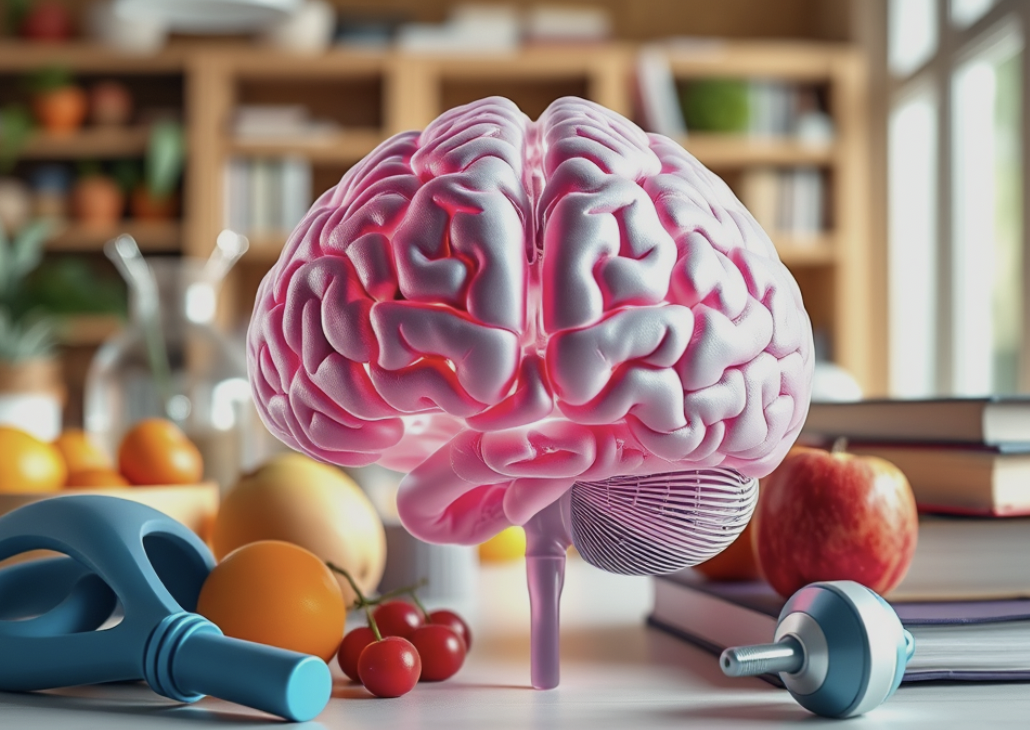
The human brain—about three pounds of wrinkled tissue—is the most complex organ known to science. Neuroscience and brain health research reveal that everything from personality to memory arises from electrochemical processes so intricate that even supercomputers struggle to mimic them. Yet here’s the twist: this complexity doesn’t make your brain rigid—it makes it adaptable.
The Brain’s Structure and Wonders
Your brain has specialized regions:
- Frontal lobe: logic and decision-making
- Temporal lobe: hearing and language
- Parietal lobe: spatial reasoning
- Occipital lobe: vision
Even more impressive, they communicate constantly through billions of neurons and trillions of connections—synapses—forming networks that change throughout your life.
From Neurons to Networks
Neurons are the storytellers of your mind. Using electrical signals and neurotransmitters, they exchange information faster than lightning. Each time you learn something new, neurons forge stronger links, rewriting your brain’s map. That’s how neuroscience proves that intelligence isn’t fixed—it’s flexible and trainable.
How Neuroscience Connects Mind and Body
Science once separated mind and body like oil and water. Now we know they’re inseparable partners.
The Role of Emotions in Brain Function
Ever felt your heart race during stress? That’s your amygdala, part of the emotional brain, activating your body for action. Positive emotions like joy, however, enhance creativity and memory retention. Neuroscience shows that emotion is not a distraction—it’s a driver of cognitive success.
Cognitive Health and Lifestyle Choices
Daily habits directly shape cognitive health. Exercise increases blood flow to the brain, while chronic inactivity dulls mental clarity. Studies suggest that even brisk walking sparks neurogenesis—the birth of new neurons.
Neuroplasticity: Your Brain’s Superpower

One of the most inspiring findings in modern neuroscience is neuroplasticity—your brain’s ability to reorganize itself by forming new neural connections. Think of it as mental muscle: the more you use it, the stronger it gets.
How Habits Reshape Neural Pathways
Routine ingrains patterns deep into your brain. Repetition signals neurons to “wrap” connections in myelin, making them more efficient. Whether it’s learning a language or mastering chess, your gray matter adapts with every attempt.
Brain Training and Mental Fitness
Crossword puzzles, music lessons, and meditation don’t just fill time—they build neural flexibility. Cognitive exercises, combined with healthy social interaction, protect against age-related decline.
Nutrition and Brain Health
Food might just be the most delicious form of brain care. Proper nutrition fuels mental energy, focus, and long-term cognitive resilience.
Foods That Boost Cognitive Performance
Omega-3 fatty acids (from salmon, walnuts) fortify cell membranes. Antioxidants in blueberries combat oxidative stress. Consistent hydration aids attention span. It’s culinary neuroscience in action.
Between Gut Health and the Brain
The gut-brain axis has become a hot research topic. Microbes in your gut produce chemicals that affect mood and cognition. A balanced diet rich in fiber and probiotics supports not just digestion but emotional balance.
Sleep and Psychological Well-being
The saying “sleep on it” has a neuroscientific basis. During slumber, the brain organizes information, clears toxic waste, and repairs connections.
The Science of Restorative Rest
Deep sleep stages allow glial cells to flush out metabolic debris—like a nightly brain rinse. Skimping on rest can impair judgment and creativity.
Sleep’s Role in Memory Consolidation
In REM sleep, memories move from short-term storage to long-term networks. This process enhances learning and problem-solving capacity.
Mental Resilience and Stress Management
Stress is unavoidable, but its impact is manageable with awareness.
How Stress Alters Brain Chemistry
Prolonged stress floods the brain with cortisol, shrinking the hippocampus (key for memory) and overactivating the amygdala. Yet, consistent stress management can reverse these effects.
Building Resilience Through Mindful Practices
Mindfulness meditation strengthens the prefrontal cortex and calms the emotional centers. Deep breathing, journaling, and gratitude exercises foster inner stability and optimism.
The Future of Brain Health Research
Neuroscience is advancing faster than ever, merging biology, computing, and psychology into one grand exploration of consciousness.
AI, Neuroimaging, and Personalized Medicine
AI-driven imaging predicts cognitive decline years before symptoms develop. Personalized brain health plans, tailored to individual neural signatures, are emerging as the new frontier.
Ethical Frontiers in Neuroscience
With great discovery comes great responsibility. As brain-computer interfaces evolve, scientists grapple with issues of privacy, cognitive freedom, and human identity.
Conclusion
Neuroscience and brain health studies don’t just tell us how the brain works—they reveal how endlessly adaptable we are. By caring for your mind with smart habits, restful sleep, nourishing foods, and emotional awareness, you’re literally reshaping your brain for a brighter, stronger self.
FAQs
1. What role does neuroscience play in everyday life?
It helps explain behaviors, decision-making, and emotional responses, enabling smarter health and learning choices.
2. Can adults still grow new brain cells?
Yes—through neurogenesis, especially boosted by exercise, learning, and proper sleep.
3. How does diet affect the brain?
Nutrients influence neurotransmitter production, energy balance, and inflammation control, directly impacting mood and focus.
4. Why is sleep critical for brain health?
Sleep consolidates memory, detoxifies the brain, and restores cognitive performance.
5. What connection exists between stress and mental health?
Chronic stress changes brain chemistry but can be managed with mindfulness, exercise, and supportive relationships.
6. How can I enhance my brain health?
Engage in regular physical activity, lifelong learning, balanced nutrition, and restorative rest.