Smartphones hold nearly every part of our lives. Your phone holds important stuff like your photos, bank apps, emails, passwords, texts, contacts, work documents, and even your real-time location. That convenience also makes them a valuable target for hackers, scammers, stalkers, and cybercriminals.
If you’ve ever wondered whether someone could secretly monitor your phone, you’re not alone. Many people search for how to tell if your phone is being tracked after noticing unusual behavior like fast battery drain, unexpected data usage, strange pop-ups, or apps they don’t remember installing.
The good news is that unusual phone behavior does not automatically mean someone is spying on you. Batteries wear out, software bugs happen, and apps sometimes misbehave. However, when several warning signs appear together, it’s worth investigating.
In this guide, you’ll learn the most common signs that a phone may be tracked, how phone tracking actually works, what you can do to protect yourself, and when it’s time to seek professional help. Everything is explained in simple language, making it easy for beginners to follow.
What Does It Mean When a Phone Is Being Tracked?
Phone tracking means someone is collecting information about your device without your knowledge or permission. Depending on the method used, they may be able to see your location, monitor your calls, read messages, access photos, or watch your online activity.
Tracking can happen in several ways. The most common method is spyware, which is malicious software secretly installed on a phone. Some spyware apps are designed to run silently in the background so the phone owner doesn’t notice them.
Location tracking is another common method. Many apps request GPS access, and while most use it legitimately for navigation or weather updates, malicious apps can misuse these permissions.
Sometimes tracking doesn’t even require malware. If someone has access to your Google or Apple account, they may use services like Find My or Find My Device to locate your phone.
For example, imagine someone borrows your unlocked phone for a few minutes. During that short time, they install a hidden monitoring app or log into your cloud account. From then on, they may receive updates about your location or activity without touching your device again.
Understanding these possibilities helps you identify the right solution instead of assuming every issue is caused by hackers.
15 Warning Signs Your Phone Might Be Being Tracked
1. Battery Drains Much Faster Than Before
A sudden decrease in battery life is one of the most common warning signs.
Tracking software constantly runs in the background, collecting information, accessing GPS, recording activity, and sending data to remote servers. All of these processes consume battery power.
Of course, battery drain can also result from aging batteries or resource-heavy apps. The key is looking for unusual changes.
For example, if your phone normally lasts all day but suddenly dies within a few hours without any changes in your usage habits, investigate further.
Check your battery usage in settings to detect unusual apps that might indicate your phone is being monitored.
2. Curious if your phone is being spied on?
Phones naturally become warm while gaming, charging, or streaming videos.
However, if your phone stays hot while sitting on a table with the screen off, something may be running continuously in the background.
Spyware often performs constant tasks like recording, syncing data, or monitoring your location.
Before assuming the worst, remember that system updates and cloud backups can also temporarily increase temperature.
Persistent overheating combined with other warning signs deserves closer attention.
3. Unusually High Mobile Data Usage
Tracking software usually sends collected information to remote servers.
This continuous uploading can increase your mobile data usage.
Visit your phone’s data usage settings and review which apps consume the most internet.
Suppose you notice an unknown app using several gigabytes of data despite never opening it. That deserves investigation.
Many users discover suspicious software simply by reviewing their monthly data reports.
4. Strange Background Noise During Calls
Years ago, clicking sounds during calls were often linked with phone tapping.
Today, poor network connections usually cause these noises instead.
However, if you consistently hear echoes, static, clicking, or electronic sounds alongside several other warning signs, spyware cannot be completely ruled out.
Call quality alone should never be considered proof of tracking.
5. Unknown Apps Appear on Your Phone
One of the biggest red flags is finding applications you never installed.
Some spyware disguises itself using names that resemble system services.
Review your installed apps carefully.
If you discover unfamiliar software with broad permissions such as location, microphone, camera, accessibility, or device administration, research it immediately.
Never uninstall random system apps without confirming they aren’t legitimate.
6. Location Services Stay Active Constantly
Most smartphones display an icon whenever GPS is being used.
If your location icon remains active even when no navigation or maps are open, an app may be requesting your location continuously.
Review which apps have location access.
Many apps only need location while actively being used.
If a flashlight or calculator requests continuous GPS access, that’s suspicious.
7. Your Phone Suddenly Becomes Slower
Spyware consumes memory, processing power, and storage.
If your phone suddenly becomes sluggish despite having plenty of free storage, background processes may be responsible.
Opening apps may take longer.
Typing may lag.
Menus may freeze.
Again, aging hardware can also cause slow performance, so look for multiple warning signs rather than relying on this symptom alone.
8. Unexpected Pop-Ups or Advertisements
Random advertisements appearing outside your browser often indicate adware or malicious software.
These apps may collect information while displaying intrusive ads.
Avoid tapping unknown pop-ups.
Instead, restart the device and scan installed apps.
9. Your Camera or Microphone Turns On Unexpectedly
Modern smartphones usually display indicators whenever the microphone or camera is active.
If these indicators appear while you’re not recording, video chatting, or using voice assistants, investigate immediately.
Legitimate apps sometimes briefly access these features.
Repeated unexplained activity should never be ignored.
10. Friends Receive Messages You Never Sent
Hackers sometimes use compromised phones to send spam messages.
If friends ask why you’re sending strange links or promotional messages, your accounts or device could be compromised.
Immediately change important passwords and review account security.
11. Random Restarts or Shutdowns
Occasional restarts after updates are perfectly normal.
Frequent random restarts, especially alongside overheating and battery drain, could indicate software problems or malicious apps.
Keep your operating system updated before assuming spyware is responsible.
12. Security Settings Change Without You
If you notice unknown fingerprints added to your phone, screen lock settings modified, or accessibility permissions enabled unexpectedly, someone may have accessed your device.
These changes should always be investigated immediately.
13. Increased Battery Usage by Unknown Apps
Review battery statistics regularly.
Unknown applications consuming large amounts of power deserve attention.
Sometimes spyware hides behind generic names like “System Service” or “Device Update.”
Research unfamiliar applications before deleting them.
14. Unrecognized Bluetooth or Connected Devices
Check your paired Bluetooth devices.
If unfamiliar headphones, smartwatches, or computers appear in the list, remove them and change your passwords.
Although this doesn’t always indicate tracking, unauthorized device connections should never be ignored.
15. Login Alerts From Unknown Locations
Many online services send alerts when your account signs in from a new device.
Receiving these notifications unexpectedly may indicate your account credentials have been compromised.
Review your Google or Apple account activity and sign out of unknown devices immediately.
How Someone Can Track Your Phone
Understanding the methods helps you protect yourself more effectively.
The most common tracking methods include:
- Spyware applications
- Stolen Google or Apple account passwords
- Fake public Wi-Fi networks
- Phishing emails and fake login pages
- Malicious app downloads
- SIM swapping attacks
- Bluetooth vulnerabilities
- Physical access to your unlocked phone
Notice that many attacks begin with simple human mistakes rather than advanced hacking.
For example, installing apps from unofficial websites significantly increases your risk.
How to Check if Your Phone Is Being Tracked
Instead of guessing, perform a complete security check.
Start by reviewing installed apps. Remove anything unfamiliar.
Check app permissions. Disable unnecessary access to your camera, microphone, contacts, and location.
Review battery and data usage statistics.
Look for device administrator apps you don’t recognize.
Update your operating system to the latest version.
Run a reputable mobile security app.
Review your Google or Apple account login history.
Finally, restart your phone after making these changes and continue monitoring its behavior over several days.
How to Stop Someone From Tracking Your Phone
If you suspect tracking, don’t panic.
First, disconnect from public Wi-Fi.
Change passwords for your Google, Apple, email, banking, and social media accounts using a trusted device.
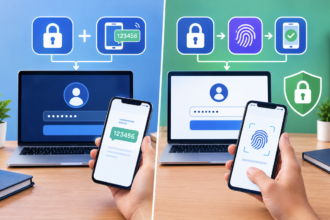
Enable two-factor authentication wherever possible.
Delete suspicious apps.
Remove unnecessary permissions.
Update your phone.
If problems continue, back up your important files and perform a factory reset.
A factory reset removes most spyware, although you’ll need to reinstall your apps afterward.
Common Mistakes People Make
Many people accidentally make themselves easier targets.
One common mistake is downloading apps from unofficial stores.
Another is using the same password across multiple accounts.
Some people ignore software updates for months, leaving known security flaws unpatched.
Others grant every permission requested without considering whether an app actually needs it.
For example, a simple wallpaper app rarely needs microphone access. If it asks, think carefully before approving the request.
Developing these habits significantly improves your phone’s security over time.
Real-World Example
Sarah noticed her phone battery was draining unusually fast, even though she wasn’t using it much. She also saw her location icon appearing throughout the day.
Instead of assuming the battery was old, she checked her installed apps and found an unfamiliar application disguised as a system utility. After removing it, updating her phone, changing her passwords, and enabling two-factor authentication, the battery life returned to normal.
This example shows why investigating multiple warning signs is more reliable than focusing on just one symptom.
Tips to Keep Your Phone Safe
Preventing tracking is much easier than fixing it later.
Follow these habits:
- Install apps only from official app stores.
- Keep your phone updated.
- Enable screen lock protection.
- Use strong, unique passwords.
- Turn on two-factor authentication.
- Avoid unknown USB charging stations.
- Review app permissions regularly.
- Avoid clicking suspicious links.
- Back up your data frequently.
- Lock your phone whenever you aren’t using it.
Small security habits make a big difference over time.
External Resource
For additional smartphone security guidance, visit the official National Cyber Security Centre:
https://www.ncsc.gov.uk/
Conclusion
If you’re searching for how to tell if your phone is being tracked, remember that no single symptom proves your device is compromised. Battery drain, overheating, slow performance, strange apps, and unexpected data usage can all have legitimate explanations. However, when several warning signs appear together, it’s time to investigate.
The best defense is prevention. Keep your phone updated, install apps only from trusted sources, review permissions regularly, use strong passwords, and enable two-factor authentication. These simple habits greatly reduce the chances of someone secretly tracking your device.
Staying informed and taking a few proactive steps today can help protect your personal information, privacy, and peace of mind in the future.
-
Want to keep your phone safe from hackers? Check out this complete guide: How to Secure Your Phone from Hackers
Frequently Asked Questions
1. How can I tell if someone is tracking my phone?
Look for multiple warning signs such as rapid battery drain, unusual data usage, unknown apps, constant GPS activity, overheating, and unexpected login alerts. One sign alone does not necessarily mean your phone is being tracked.
2. Is it possible for someone to monitor your phone without actually installing an app?
Let’s explore that.
Yes. If someone gains access to your Google or Apple account, they may be able to view your location using built-in device tracking services. Phishing attacks and compromised accounts can also expose personal information.
3. Does factory resetting my phone remove spyware?
In most cases, yes. A factory reset removes most spyware and malicious apps. Be sure to back up important files first and avoid restoring suspicious applications afterward.
4. Can antivirus apps detect phone tracking software?
Many reputable mobile security apps can detect known spyware, malware, and suspicious software. However, no antivirus can guarantee detection of every threat, so combining security software with safe online habits is important.
5. Is my phone being tracked if the battery drains quickly?
Not necessarily. Battery drain can result from aging batteries, software updates, demanding apps, or poor network coverage. Look for several warning signs before concluding your phone is being tracked.
6. Can someone track my phone through Wi-Fi?
Yes, attackers can sometimes intercept data on insecure public Wi-Fi networks or trick users into connecting to fake hotspots. Using trusted networks and a VPN can improve your privacy.
7. Should I remove every app I don’t recognize?
Yes, but verify whether it is a legitimate system application before deleting it. Research unfamiliar apps and review their permissions before taking action.
8. What is the safest way to protect my smartphone?
Keep your operating system updated, install apps only from official stores, use strong passwords, enable two-factor authentication, review app permissions regularly, and avoid clicking suspicious links. These practices provide strong protection against most tracking attempts.