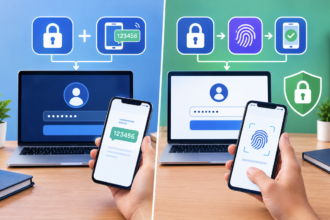

Data breaches happen with genuine regularity, exposing millions of username and password combinations that end up circulating among cybercriminals, and credential stuffing represents one of the most common, effective ways attackers actually exploit this leaked information at massive scale. Understanding how this specific attack works, and the practical steps that genuinely protect you against it, provides important context for anyone managing multiple online accounts.
What Credential Stuffing Actually Means
Credential stuffing is a cyberattack technique where attackers use automated tools to test large numbers of previously leaked username and password combinations against many different websites, hoping to find accounts where victims have reused these same credentials. This attack specifically exploits the genuinely common, though risky, habit of using identical or similar passwords across multiple different online accounts.
Understanding the automation involved genuinely matters, since attackers do not manually attempt these login combinations one at a time, but instead use software specifically designed to rapidly test enormous numbers of leaked credential combinations against numerous websites simultaneously, making this attack genuinely scalable and efficient from the attacker’s perspective.
How Credential Stuffing Attacks Actually Work Step by Step
Understanding the genuine technical process behind this attack helps clarify exactly how leaked credentials from one data breach can end up compromising your genuinely unrelated accounts on entirely different platforms.
- Attackers obtain lists of leaked username and password combinations, often from previous data breaches
- Automated software systematically attempts these exact credential combinations across numerous different websites
- When a combination successfully works on a new site, the attacker gains unauthorized access to that account
- This process happens at scale, testing potentially millions of credential combinations across countless websites automatically
This scale consideration deserves particular emphasis, since a single data breach exposing millions of credentials can genuinely enable attackers to systematically test these combinations across countless other websites, meaning a breach at one company you may not even use anymore can still genuinely threaten your accounts on entirely unrelated platforms if you have reused those same specific credentials.
Why Password Reuse Specifically Enables This Attack
Understanding precisely why password reuse creates such genuine vulnerability to credential stuffing helps clarify why this specific habit deserves particular attention among general password security advice.
- Credential stuffing only succeeds when a leaked password combination genuinely matches your credentials elsewhere
- Using entirely unique passwords for every account means a leak from one service cannot compromise your other accounts
- This attack specifically and exclusively exploits the pattern of reused credentials across multiple platforms
- Understanding this direct connection helps clarify why unique passwords represent such a genuinely powerful defense
This direct connection between password reuse and vulnerability deserves genuine emphasis, since credential stuffing represents perhaps the clearest, most direct illustration of why password reuse creates real risk, given that this entire attack methodology depends specifically on victims having used identical credentials across the breached service and their other, genuinely unrelated accounts.
Why This Attack Has Become Genuinely More Prevalent Over Time
Understanding the factors contributing to credential stuffing’s genuine increase in prevalence helps explain why this particular threat deserves ongoing, current attention rather than being considered an older, less relevant concern.
- The accumulated volume of leaked credentials from years of data breaches continues growing substantially
- Automated attack tools have become genuinely more accessible and sophisticated over time
- Many people continue reusing passwords despite widespread awareness campaigns about this specific risk
- This combination of factors has made credential stuffing a genuinely persistent, significant ongoing threat
How Websites Attempt to Detect and Prevent Credential Stuffing
Understanding the genuine defensive measures many websites have implemented specifically to detect and prevent this attack pattern helps provide a more complete picture beyond just individual user precautions alone.
- Rate limiting restricts how many login attempts can occur within a specific timeframe from a single source
- Behavioral analysis can help identify patterns consistent with automated attack tools rather than genuine human users
- CAPTCHA challenges attempt to distinguish automated login attempts from genuine human login behavior
- Multi-factor authentication provides genuine protection even when a specific password combination has been successfully tested
Why Multi-Factor Authentication Provides Particularly Strong Protection
Understanding specifically why enabling multi-factor authentication provides such genuinely effective protection against credential stuffing, even when your password has been compromised, deserves particular emphasis among the various available defensive strategies.
- Even a successfully matched username and password combination is insufficient without the additional verification factor
- This additional factor typically requires physical access to your specific device or account, which attackers generally lack
- This protection remains effective even if your specific password has been exposed in a data breach you were unaware of
- This makes multi-factor authentication one of the genuinely most effective individual defenses against this particular attack type
Practical Steps to Protect Yourself From Credential Stuffing
- Use a unique, strong password for every single online account you maintain
- Enable multi-factor authentication on accounts wherever this option is genuinely available
- Consider using a password manager to help generate and organize unique passwords across all your accounts
- Periodically check whether your email address has appeared in known data breaches through reputable breach checking services
- Change passwords immediately for any account confirmed to be affected by a specific known data breach
Why Businesses Also Bear Genuine Responsibility Beyond Individual User Habits
Understanding that protecting against credential stuffing genuinely involves shared responsibility between individual users and the businesses operating the websites being targeted helps provide a more complete picture beyond personal password habits alone.
Businesses that fail to implement reasonable defensive measures, like rate limiting or behavioral analysis, genuinely bear some responsibility when their platforms become an easy target for these automated attacks, since a website with weak defenses against automated login attempts effectively makes credential stuffing considerably easier for attackers regardless of how careful individual users have been. This shared responsibility framing genuinely matters, since it highlights that comprehensive protection against this threat requires both individual users adopting strong password habits and businesses investing in genuine technical safeguards, rather than placing the entire protective burden on users alone.
- Businesses bear genuine responsibility for implementing reasonable technical defenses against automated attacks
- Weak platform defenses make credential stuffing considerably easier regardless of individual user password habits
- Comprehensive protection genuinely requires both user vigilance and business-side technical safeguards working together
- This shared responsibility framing helps clarify that this threat cannot be fully addressed through user habits alone
Final Thoughts
Credential stuffing exploits the widespread, risky habit of password reuse by systematically testing leaked credential combinations across numerous websites, making unique passwords and multi-factor authentication two of the genuinely most effective defenses against this increasingly prevalent attack. Understanding how this attack actually works, and why these specific protective measures directly address its underlying mechanism, provides a clear, practical framework for protecting your accounts against one of today’s most common and effective cybersecurity threats.
Frequently Asked Questions
1. How can I tell if I have already been affected by credential stuffing?
This can be genuinely difficult to detect directly, though monitoring your accounts for unfamiliar activity, checking whether your email has appeared in known data breaches, and watching for any unexpected password reset notifications can all provide useful warning signs worth investigating.
2. Does using a password manager genuinely protect me from credential stuffing?
Yes, significantly, since a password manager makes it genuinely practical to use unique, strong passwords for every account without needing to memorize each one individually, directly addressing the password reuse vulnerability that credential stuffing specifically exploits.
3. Can credential stuffing attacks succeed even against accounts with genuinely strong, complex passwords?
Yes, if that same strong password has been reused across multiple accounts and one of those accounts experienced a data breach, the password’s inherent complexity does not protect against credential stuffing, since this attack relies on matching leaked credentials rather than actually guessing or cracking passwords.
4. Is credential stuffing the same thing as a brute force attack?
No, though they are related concepts. Brute force attacks attempt many different password guesses against a single account, while credential stuffing specifically uses already known, leaked username and password combinations tested across multiple different websites and accounts.
5. Should I be concerned about credential stuffing even if I have never personally experienced a data breach that I know of?
Yes, genuinely, since data breaches affecting services you use, even ones you may have forgotten about or rarely use, can still expose your credentials without your direct awareness, making proactive unique password practices important regardless of whether you are aware of any specific breach affecting your accounts.