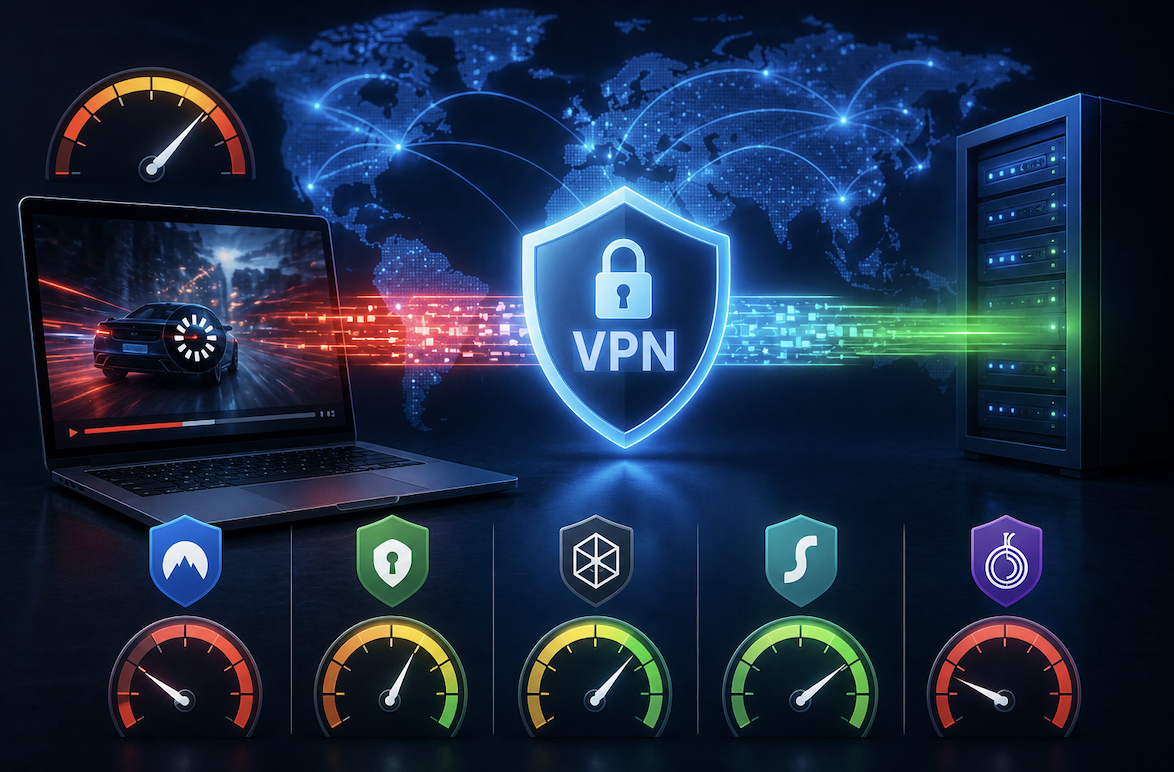
Choosing a VPN service often involves comparing advertised speeds and features, yet many users never realize that the specific underlying protocol their VPN uses genuinely affects both their connection speed and overall security in ways that deserve real consideration. Understanding what a VPN protocol actually is, and how different options genuinely compare, helps you make more informed choices when configuring your own VPN connection.
What a VPN Protocol Actually Is
A VPN protocol is the underlying set of technical rules and procedures that determine how your device establishes and maintains an encrypted connection to a VPN server. Different protocols use genuinely different technical approaches to encryption, data transmission, and connection management, resulting in real, measurable differences in speed, security strength, and overall connection reliability.
Understanding that your VPN service likely offers a choice between several different protocols, often accessible through your VPN application’s settings, helps clarify that this represents a genuinely meaningful decision point rather than a fixed, unchangeable aspect of your specific VPN service.
Why Different Protocols Genuinely Produce Different Speed Results
Understanding the fundamental reasons why protocol choice genuinely affects your actual connection speed helps clarify why this setting deserves consideration beyond simply choosing your VPN provider alone.
- Different protocols use varying encryption methods, some requiring more processing overhead than others
- The specific way each protocol packages and transmits data affects overall transmission efficiency
- Some protocols were specifically designed with speed optimization as a primary technical priority
- Others prioritize maximum security strength, sometimes at some cost to raw connection speed
This encryption overhead consideration deserves particular emphasis, since stronger encryption generally requires more computational processing to both encrypt and decrypt your data, meaning protocols using more computationally intensive encryption methods can genuinely introduce more processing delay compared to protocols using more streamlined, efficient encryption approaches.
Understanding Newer, Speed-Optimized Protocols
Understanding how more recently developed VPN protocols have specifically addressed speed considerations helps clarify why protocol choice has become an increasingly relevant consideration for VPN users seeking optimal performance.
- Newer protocols have been specifically engineered with modern hardware and efficiency considerations in mind
- These protocols often achieve faster speeds meaningfully while maintaining genuinely strong security standards
- This represents genuine technical progress compared to older protocols originally designed under different technical constraints
- Many VPN providers have increasingly adopted these newer protocols as their recommended default option
Understanding Older, More Established Protocols
Understanding the genuine trade-offs involved with older, more established VPN protocols that remain in use helps clarify why some users and situations still genuinely benefit from these more traditional options.
- Older protocols have undergone extensive real-world testing and scrutiny over considerably longer periods
- Some older protocols offer broader compatibility across a wider range of devices and operating systems
- These protocols sometimes prioritize maximum security strength over speed optimization
- Understanding this trade-off helps explain why protocol choice sometimes involves balancing speed against other genuine priorities
How to Actually Choose the Right Protocol for Your Specific Needs
Understanding practical guidance for selecting an appropriate protocol based on your genuine priorities helps you make a more informed choice rather than simply accepting whatever default setting your VPN application uses.
- If maximum speed genuinely matters most for your typical use, prioritize newer, speed-optimized protocol options
- If you are using your VPN on an older or unusual device, verify compatibility with your available protocol options
- For general everyday use, many VPN providers’ recommended default protocol offers a reasonable balance
- Experiment with different available protocols if you experience unexpectedly slow speeds with your current setting
Why Server Distance Also Genuinely Affects Speed Independent of Protocol
Understanding that protocol choice represents just one factor among several genuinely affecting your overall VPN speed helps provide a more complete picture beyond protocol selection alone.
- The physical distance between you and your chosen VPN server significantly affects connection speed
- Server load, meaning how many other users are currently connected to that same specific server, also matters
- Your own underlying internet connection speed sets a genuine upper limit regardless of VPN optimization
- Combining protocol choice with server selection and general internet quality provides the most complete speed optimization approach
This server distance factor deserves particular emphasis alongside protocol considerations, since even the fastest, most optimized protocol cannot fully compensate for the genuine physical reality that data traveling to a considerably distant server takes measurably longer than data traveling to a nearby one, making server selection a complementary consideration alongside your chosen protocol.
Practical Steps for Optimizing Your VPN Speed
- Check your VPN application’s settings to see which protocols are genuinely available for your specific service
- Test different available protocols to compare actual speed results for your particular typical usage
- Consider choosing a server location genuinely closer to your actual physical location when speed matters most
- Balance your genuine priorities between maximum speed and maximum security based on your specific use case
How Your Specific Device Type Affects Genuine Protocol Performance
Understanding that the same VPN protocol can genuinely perform somewhat differently depending on your specific device’s processing capability helps explain why protocol recommendations are not entirely universal across every possible device and situation.
Since encryption and decryption require genuine computational processing, devices with more powerful processors can generally handle more computationally intensive protocols with less noticeable performance impact compared to older or less powerful devices, where a more efficient, lighter protocol might provide a genuinely more noticeable speed improvement. This device-specific variation is exactly why testing different available protocols on your own specific device, rather than simply following generic recommendations, often provides the most genuinely reliable way to identify which particular option actually performs best for your unique combination of hardware and typical usage patterns.
- More powerful devices can generally handle computationally intensive protocols with less noticeable performance impact
- Older or less powerful devices may benefit more noticeably from lighter, more efficient protocol options
- This device-specific variation means generic protocol recommendations do not apply equally to every situation
- Testing different protocols on your own specific device often provides more reliable guidance than generic advice alone
Final Thoughts
VPN protocol choice genuinely affects your connection speed through differences in encryption processing overhead and overall technical efficiency, making this an important, often overlooked setting worth understanding and potentially adjusting based on your specific priorities.
Understanding both protocol selection and complementary factors like server distance helps you optimize your VPN experience more effectively than simply accepting default settings without considering these genuinely impactful technical choices.
Frequently Asked Questions
1. Will switching VPN protocols always genuinely improve my connection speed?
Not necessarily for every user, since actual speed improvement depends on various factors including your specific device, internet connection, and the particular server you are connecting to, though many users do experience meaningful improvement when switching to a more modern, efficiency-optimized protocol.
2. Is a faster VPN protocol automatically less secure than a slower one?
Not necessarily, since many modern, speed-optimized protocols achieve their efficiency gains through genuinely more streamlined technical design rather than sacrificing security strength, meaning faster does not automatically mean less secure in every case.
3. How do I actually change my VPN protocol if I want to experiment with different options?
This process varies by specific VPN application, though most reputable VPN services include a protocol selection option within their application’s settings menu, typically found within a section specifically labeled for connection or advanced settings.
4. Do all VPN services genuinely offer a choice between multiple different protocols?
Most reputable, established VPN services do offer some choice, though the specific available options vary between different providers, making it worth checking your specific service’s features if protocol flexibility matters to you.
5. Why might my VPN speed vary considerably even when using the exact same protocol consistently?
This variation often reflects other factors beyond protocol choice alone, including server load fluctuations throughout the day, your own underlying internet connection quality at any given moment, and genuine network congestion that can affect speed independent of your chosen protocol.