
Account security discussions increasingly mention security keys as a genuinely strong authentication option, yet many people remain uncertain about what these physical devices actually are and how they genuinely differ from more familiar authentication methods like passwords or authenticator apps. Understanding what security keys actually do, and why they provide such meaningfully strong protection, helps clarify this increasingly recommended security option.
What a Security Key Actually Is
A security key is a small physical device, often resembling a USB drive, that provides a genuinely strong form of authentication when logging into online accounts, working alongside or instead of a traditional password. Rather than relying on something you know, like a password, or something generated on your phone, a security key relies on something you physically possess, requiring the actual device to be present during the login process.
Understanding this physical possession requirement genuinely matters, since it represents a fundamentally different security approach compared to knowledge-based authentication methods like passwords, which can potentially be stolen, guessed, or leaked without the legitimate account owner’s physical device ever being involved.
How Security Keys Actually Work During Login
Understanding the genuine technical process behind how a security key actually authenticates you during login helps clarify why this method provides such meaningfully strong protection.
- When logging in, you insert or otherwise connect your security key to your device
- The security key uses cryptographic technology to verify your identity to the specific website or service
- This verification process happens without transmitting anything resembling a traditional password
- The specific website only receives confirmation that the legitimate security key was genuinely present during login
This cryptographic verification deserves particular emphasis, since rather than transmitting a password or code that could theoretically be intercepted and reused by an attacker, security keys use a technical process that verifies legitimate possession of the physical key without transmitting reusable authentication information, making this approach genuinely more resistant to many common attack methods.
Why Security Keys Provide Genuinely Stronger Protection Than Passwords Alone
Understanding the specific ways security keys address vulnerabilities that passwords alone genuinely cannot protect against helps clarify why this authentication method has received such strong security recommendation.
- Passwords can be stolen through data breaches, phishing attempts, or various other compromise methods
- Security keys require genuine physical possession, meaning remote attackers cannot use them without physically having the device
- This physical requirement provides protection even if your password has been compromised through other means
- Security keys are also specifically designed to resist certain sophisticated phishing techniques that can fool other authentication methods
How Security Keys Genuinely Differ From Authenticator Apps
Understanding the distinction between security keys and authenticator apps, another popular strong authentication method, helps clarify these related but genuinely different security options.
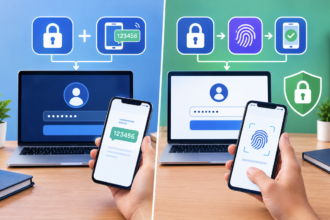
- Authenticator apps generate time-based codes on your smartphone that you manually enter during login
- Security keys require physically connecting or tapping the device rather than manually entering a generated code
- Security keys are specifically designed to resist certain phishing techniques that could potentially fool authenticator app codes
- Both methods represent genuinely strong authentication, though with somewhat different technical approaches and resistance profiles
This phishing resistance distinction deserves particular emphasis, since sophisticated phishing attacks can sometimes trick users into entering an authenticator app code on a fraudulent website, which the attacker could then quickly use on the genuine website, while security keys’ cryptographic verification process is specifically designed to prevent this particular type of successful phishing attack.
Understanding the Genuine Practical Trade-Offs of Using Security Keys
Understanding that security keys, despite their genuine security strength, involve some real practical considerations worth understanding before adopting this authentication method.
- Security keys require purchasing a genuine physical device, representing an upfront cost
- Losing your security key without a backup authentication method could genuinely lock you out of your account
- Not every website or service supports security key authentication currently
- Carrying and remembering to bring your physical security key represents a genuine ongoing practical consideration
This backup consideration deserves particular emphasis, since losing your only security key without any backup authentication method configured could genuinely create a serious account access problem, making it genuinely important to set up backup authentication options or obtain a second security key specifically for backup purposes when adopting this authentication method.
Who Genuinely Benefits Most From Using Security Keys
Understanding the specific situations and user profiles where security keys provide genuinely significant additional value helps clarify whether this particular authentication method fits your own specific needs.
- People with genuinely high-value accounts, like those managing significant financial assets or sensitive business information
- Individuals who have previously experienced phishing attempts or account compromise
- Anyone wanting the genuinely strongest available protection for particularly important accounts
- People willing to accept the modest additional cost and practical considerations for meaningfully enhanced security
Practical Steps for Getting Started With Security Keys
- Research which specific security key options are compatible with your most important accounts and devices
- Consider purchasing at least two security keys, keeping one as a genuine backup in case of loss
- Set up security keys specifically for your most genuinely important, high-value accounts first
- Familiarize yourself with your specific account’s backup authentication options in case your key is ever lost
How Security Keys Fit Within a Broader Layered Security Approach
Understanding that security keys work best as part of a genuinely comprehensive security strategy, rather than serving as a single, standalone solution addressing every possible security concern, helps clarify how this technology fits within your broader approach to protecting your digital accounts and information.
Even with a security key protecting your login process, maintaining other genuinely important security practices, like keeping your devices updated, remaining alert to suspicious activity, and using unique
passwords across different accounts, continues to matter significantly, since a security key specifically addresses the authentication step rather than providing comprehensive protection against every possible security threat you might encounter. Understanding security keys as one genuinely powerful component within this broader, layered approach, rather than a complete solution unto themselves, helps set appropriately realistic expectations for what this specific technology actually accomplishes within your overall digital security practices.
- Security keys work best as part of a comprehensive security strategy, not as a standalone complete solution
- Other practices, like device updates and unique passwords, remain genuinely important alongside security key use
- Security keys specifically address the authentication step, not every possible security threat you might face
- Understanding this layered approach helps set realistic expectations for this technology’s actual, specific role
Final Thoughts
Security keys provide genuinely strong authentication by requiring physical possession of a device rather than relying solely on knowledge-based methods like passwords, offering meaningful protection against many common attack methods, including sophisticated phishing techniques. Understanding both the genuine security strength these devices provide and their real practical considerations helps you decide whether this authentication method fits your own specific needs for protecting particularly important accounts.
Frequently Asked Questions
1. Do I still need a password if I am using a security key?
This depends on the specific account and configuration, since some services use security keys as an additional factor alongside a password, while others may allow security keys to serve as your primary authentication method, reducing or potentially eliminating password reliance.
2. What happens if I lose my security key?
This depends on what backup authentication options you have configured for that specific account, making it genuinely important to set up backup methods, like a second security key or an alternative authentication option, before you actually need them.
3. Are security keys difficult to set up for someone without genuine technical expertise?
Most reputable services provide reasonably straightforward setup instructions for security keys, making this generally accessible even for users without extensive technical background, though the specific process varies somewhat between different services and account types.
4. Can a security key be used across multiple different accounts and websites?
Yes, generally, a single security key can typically be registered with multiple different compatible accounts and websites, meaning you do not necessarily need a separate physical key for each individual account you want to protect.
5. Is purchasing a security key worth the cost for someone who is not particularly technically inclined?
For anyone with genuinely important accounts they want to protect as strongly as possible, the modest cost of a security key often represents a worthwhile investment, and the actual day-to-day use, once initially set up, generally remains quite straightforward regardless of technical background.