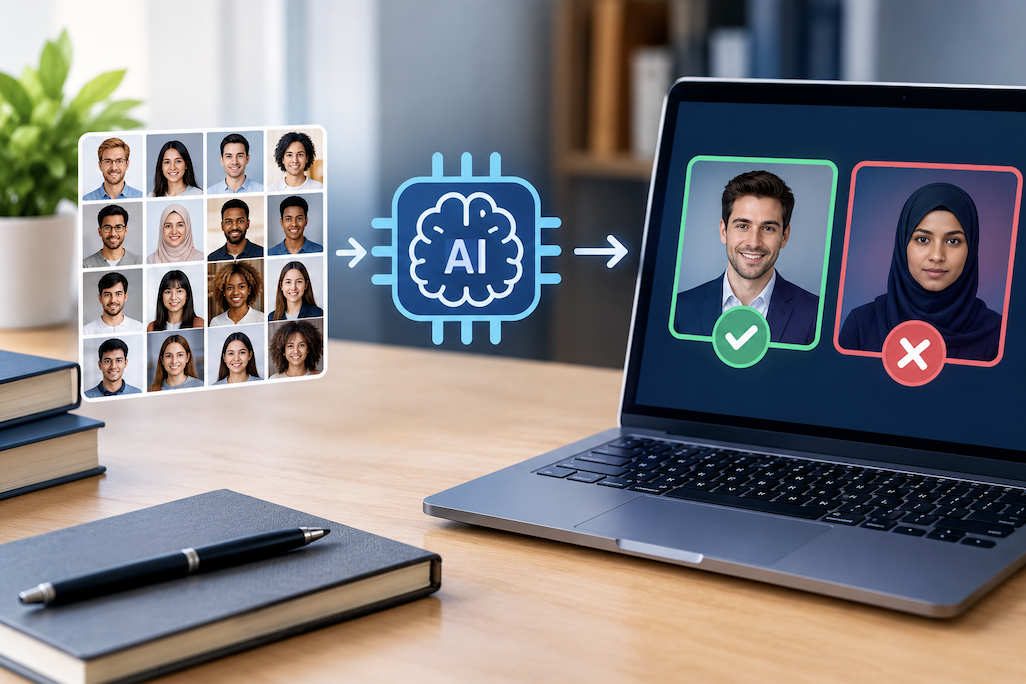
Artificial intelligence systems increasingly influence decisions ranging from loan approvals to hiring recommendations to content moderation, making the genuine possibility that these systems might produce systematically unfair outcomes a significant concern worth understanding clearly. AI bias represents exactly this concern, and understanding why it actually happens, rather than simply that it can occur, provides genuinely important context for anyone interacting with or affected by these increasingly influential systems.
What AI Bias Actually Means
AI bias refers to situations where an artificial intelligence system produces systematically unfair or skewed outcomes for certain groups of people, typically reflecting patterns present within the data used to train that system or choices made during its actual development process. This is not a matter of the AI system having genuine intentions or malice, but rather reflects how these systems learn patterns from data that may itself contain historical or societal biases.
Understanding this distinction genuinely matters, since AI bias typically emerges as an unintended consequence of how these systems are built and trained, rather than representing deliberate programming toward unfair outcomes, though this unintentional nature does not reduce the genuine real-world impact these biased outcomes can have on affected individuals.
How Training Data Genuinely Contributes to AI Bias
Understanding the primary mechanism through which bias actually enters AI systems helps clarify why this represents such a persistent, genuinely challenging problem to fully address.
- AI systems learn patterns from the specific data they are trained on
- If this training data reflects historical biases or underrepresents certain groups, the AI genuinely learns these patterns
- The system then applies these learned patterns going forward, potentially perpetuating the same biases
- This means AI bias often reflects genuine biases already present within society or historical data, rather than originating from the AI itself
This historical reflection deserves particular emphasis, since AI systems do not inherently create bias from nothing, but rather tend to learn and potentially amplify patterns that already genuinely exist within their training data, meaning addressing AI bias often requires addressing underlying data quality and representation issues, not simply adjusting the AI system’s technical parameters alone.
Common Ways Training Data Actually Becomes Biased
Understanding the specific, genuine ways training data can end up biased helps illustrate why this problem proves so persistently difficult to fully solve even with genuine, dedicated effort.
- Historical data may reflect past discriminatory practices that existed before genuine efforts to address them
- Certain groups may be genuinely underrepresented within available training data
- Data collection methods themselves may inadvertently favor certain populations over others
- Labels or categories used to train the system may themselves reflect subjective, potentially biased human judgments
How Bias Can Also Emerge From Development Choices Beyond Just Data
Understanding that AI bias does not only stem from training data alone, but can also emerge from various technical and design choices made during development, provides a more complete picture of this genuinely complex problem.
- Choices about which specific factors an AI system considers can inadvertently introduce bias
- How a system’s success gets measured and optimized for can favor certain outcomes over others
- Testing and validation processes that do not adequately represent diverse populations can miss existing bias
- These development choices represent genuine additional opportunities for bias to enter a system beyond training data alone
This measurement consideration deserves particular emphasis, since how developers define and measure a system’s “success” genuinely shapes what patterns that system optimizes toward, meaning even technically well-executed AI development can still produce biased outcomes if the specific success metrics chosen do not adequately account for fairness across different groups.
Real-World Consequences of AI Bias Worth Understanding
Understanding the genuine, practical impact AI bias can have across various applications helps illustrate why this represents a meaningful concern extending well beyond abstract technical discussion.
- Biased hiring algorithms could systematically disadvantage qualified candidates from certain groups
- Biased lending or credit systems could unfairly restrict access to financial services for certain populations
- Biased content moderation systems could disproportionately flag or restrict content from certain communities
- Biased facial recognition systems have shown genuinely documented accuracy disparities across different demographic groups
How Researchers and Companies Are Working to Address AI Bias
Understanding the genuine, ongoing efforts within the AI development community to actually identify and reduce bias helps provide balanced context alongside understanding this problem’s genuine, real challenges.
- Developing more diverse, representative training datasets specifically designed to reduce underrepresentation
- Creating specific testing methodologies designed to detect bias across different demographic groups before deployment
- Implementing ongoing monitoring to identify bias that emerges even after a system has been deployed
- Increasing transparency about how AI systems make decisions to allow genuine external scrutiny and accountability
Why Complete Elimination of AI Bias Remains Genuinely Difficult
Understanding why AI bias represents a genuinely persistent challenge, rather than a problem that gets definitively solved once and remains solved, helps set realistic expectations for ongoing efforts in this area.
- Society itself contains genuine, ongoing biases that inevitably influence available training data
- Defining fairness itself involves genuinely complex, sometimes competing considerations without a single universal standard
- New AI applications continue emerging, each requiring genuine, fresh attention to potential bias concerns
- This combination means addressing AI bias requires ongoing, sustained effort rather than a single, complete solution
Practical Steps for Understanding AI Bias in Systems You Encounter
- Consider whether an AI system you are relying on has been evaluated for bias across different groups
- Understand that AI recommendations or decisions are not inherently neutral or objective
- Support transparency efforts that allow genuine scrutiny of how AI systems actually make decisions
- Report concerns about potentially biased AI outcomes through appropriate channels when you encounter them
Why Diverse Development Teams Genuinely Help Reduce AI Bias
Understanding why the composition of the actual team building an AI system genuinely affects that system’s likelihood of exhibiting bias helps clarify an important, sometimes underappreciated factor in addressing this challenge.
Development teams with genuinely diverse backgrounds and perspectives are often better positioned to notice potential bias concerns during development that a more homogeneous team might genuinely overlook, simply because different team members bring different lived experiences that inform what specific edge cases or fairness concerns they think to actually test for. This diversity benefit extends beyond simply having good intentions, since genuinely different perspectives during the design and testing process can surface concerns that might not otherwise become apparent until after a system has already been deployed and potentially caused genuine harm to affected users.
- Diverse development teams are often better positioned to notice potential bias concerns during development
- Different team members bring different lived experiences that inform what fairness concerns get tested for
- This diversity benefit extends beyond good intentions, genuinely surfacing concerns a homogeneous team might overlook
- Understanding this factor helps clarify why team composition represents a genuine, practical bias mitigation strategy
Final Thoughts
AI bias emerges primarily through training data reflecting existing societal patterns and through various development choices, representing a genuine, persistent challenge rather than a problem with a single, complete technical solution. Understanding both how this bias actually originates and the genuine ongoing efforts to address it helps provide realistic, informed context for engaging thoughtfully with the increasingly influential AI systems that shape countless decisions in modern life.
Frequently Asked Questions
1. Can AI bias ever be completely eliminated from AI systems?
Complete elimination remains genuinely difficult given that training data often reflects existing societal patterns and biases, though ongoing efforts around diverse data, testing methodologies, and monitoring can meaningfully reduce, even if not entirely eliminate, this genuine concern.
2. Does AI bias mean the developers intentionally created an unfair system?
Generally no, since AI bias typically emerges as an unintended consequence of training data or development choices rather than deliberate intent, though this unintentional nature does not reduce the genuine real-world impact biased outcomes can have on affected individuals.
3. How can companies actually test whether their AI systems exhibit bias?
Companies can evaluate system outputs across different demographic groups to identify genuine disparities in outcomes, using various statistical and testing methodologies specifically designed to surface bias that might not be immediately obvious from simply reviewing overall system performance.
4. Is AI bias only a concern for certain types of AI applications?
No, this concern genuinely extends across many AI applications, particularly those involving decisions affecting people, such as hiring, lending, healthcare, and content moderation, though the genuine severity and specific nature of potential bias varies by application.
5. Should I be skeptical of every AI-powered recommendation or decision I encounter?
Maintaining healthy awareness that AI systems can reflect bias, without becoming completely distrustful of all AI applications, represents a genuinely reasonable approach, particularly for decisions carrying meaningful consequences for you or others.