As more devices connect to the internet every year, from smart speakers to industrial sensors, the traditional way of sending all that data to distant cloud servers has started to show its limits. Edge computing has emerged as a practical solution to this growing challenge. This article explains what edge computing actually means, how it improves speed, and why it has become increasingly important across many industries.
What Edge Computing Actually Means
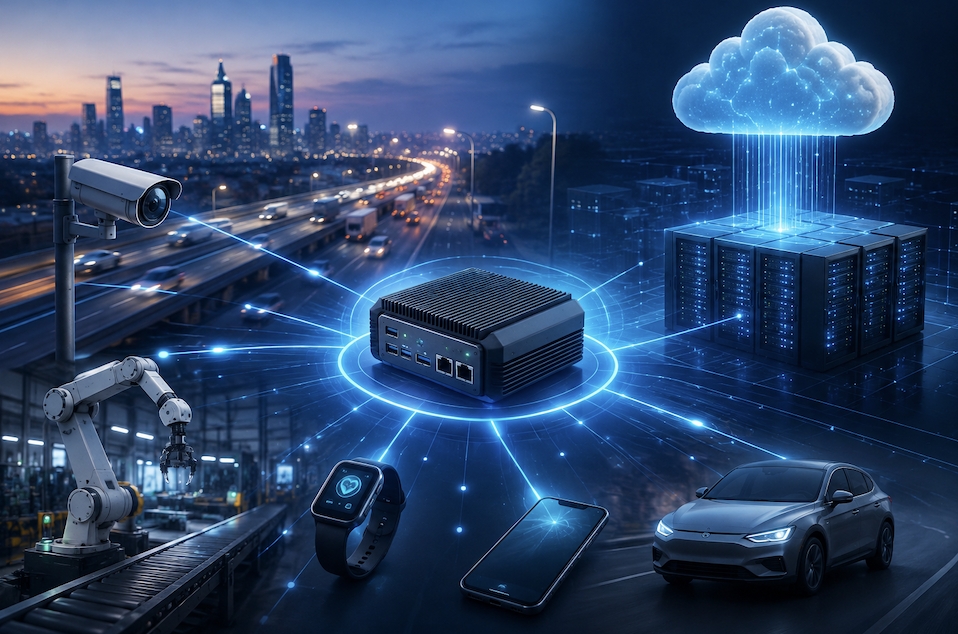
Edge computing refers to processing data closer to where it is actually generated, rather than sending everything to a centralized, often distant, cloud server for processing. Instead of a smart camera sending raw video footage all the way to a data center hundreds of miles away, an edge computing setup processes that footage locally, or at a nearby server, before sending only the relevant results onward.
The term edge refers to the outer boundary of a network, closer to the actual devices and users, as opposed to the core, which represents large centralized cloud data centers. By moving computing power toward this edge, data does not need to travel as far, which directly reduces delay.
Why Distance Actually Affects Speed
Every piece of data traveling across the internet has to physically move through cables, routers, and servers, and that travel takes time, even if it feels instantaneous most of the time. This delay, known as latency, becomes more noticeable the farther data has to travel and the more network hops it passes through along the way.
Edge computing reduces this delay by processing data much closer to its source. Instead of a round trip to a distant data center and back, the closest edge server handles the request, cutting travel distance dramatically and, as a result, cutting latency significantly.
- Traditional cloud processing can involve data traveling thousands of miles round trip
- Edge computing servers are placed much closer to users, sometimes within the same city or region
- Lower latency directly translates to faster response times for time sensitive applications
Real World Applications Where Edge Computing Matters Most
Edge computing is not just a theoretical improvement, it powers technology that genuinely depends on speed and reliability.
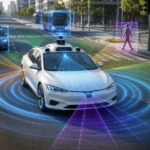
- Self driving cars process sensor data locally in real time, since even a small delay could be dangerous
- Smart factories use edge computing to monitor and adjust equipment instantly without waiting on distant servers
- Augmented reality applications rely on edge processing to keep visuals synced smoothly with real world movement
- Video streaming services use edge servers to deliver content faster by storing popular content closer to viewers
- Healthcare monitoring devices use edge processing to flag urgent issues immediately rather than waiting on cloud analysis
How Edge Computing Works Alongside the Cloud
Edge computing does not necessarily replace cloud computing, it works alongside it. Time sensitive, immediate processing happens at the edge, while larger, less urgent tasks like long term data storage and deep analysis still happen in centralized cloud data centers.
This combination allows systems to respond instantly to immediate needs while still benefiting from the scalability and storage power that centralized cloud infrastructure provides for bigger, less time critical workloads.
Practical Benefits Beyond Just Speed
- Reduced bandwidth usage, since only relevant, processed data gets sent to the cloud instead of raw, unfiltered information
- Improved reliability, since edge devices can often continue basic functioning even during a temporary internet outage
- Better privacy potential, since sensitive data can be processed locally rather than transmitted to external servers
- Lower operating costs for businesses handling massive volumes of sensor or device data
How 5G Networks and Edge Computing Work Together
Edge computing and 5G networks tend to get discussed separately, but the two technologies actually complement each other in a meaningful way. 5G networks were designed with significantly lower latency and higher bandwidth compared to previous mobile network generations, and edge computing amplifies those benefits by placing processing power physically closer to where 5G devices are actually connecting.
Together, this combination enables use cases that would be impractical with either technology alone. A remote surgical robot, for example, needs both the fast, reliable connection that 5G provides and the near instant processing that edge computing enables, since even a brief delay in either the network or the processing step could have serious real world consequences.
- 5G reduces network transmission delay between a device and the nearest connection point
- Edge computing reduces processing delay by handling data closer to that connection point
- Together, they enable applications that genuinely require both fast networking and fast processing
- Industries like manufacturing, healthcare, and transportation increasingly rely on this combined approach
As 5G networks continue expanding and edge infrastructure becomes more widely deployed, this pairing is expected to unlock even more real time applications that simply were not practical when data had to travel all the way to a distant, centralized cloud server and back.
Final Thoughts
Edge computing solves a very real problem created by our growing reliance on connected devices: the physical limits of distance and network delay. By processing data closer to where it is actually created, this technology delivers the speed and responsiveness that modern applications increasingly demand, quietly powering everything from smart factories to the streaming video you watch every day.
Frequently Asked Questions
1. Is edge computing the same thing as cloud computing?
No, they work together rather than being the same thing. Cloud computing centralizes processing in large data centers, while edge computing processes data closer to where it is generated to reduce delay.
2. Does edge computing completely eliminate the need for cloud servers?
No, most systems use a combination of both, handling urgent, real time tasks at the edge while relying on the cloud for larger scale storage and deeper analysis.
3. Why does edge computing matter for self driving cars specifically?
Because even a fraction of a second delay in processing sensor data could affect safety. Edge computing allows these vehicles to make decisions almost instantly rather than waiting for a distant server’s response.
4. Is edge computing only relevant for large businesses?
While large industries benefit significantly, edge computing also quietly powers everyday consumer technology, including smart home devices, streaming services, and mobile apps that rely on fast, responsive performance.