
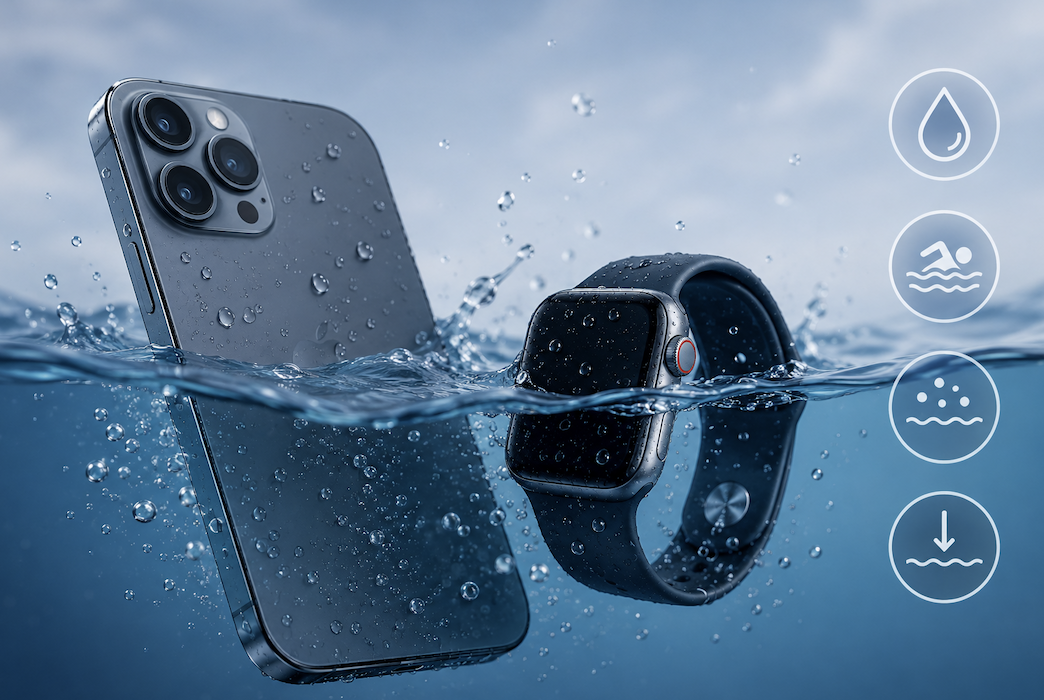
Shopping for a new phone or smartwatch inevitably involves encountering water resistance ratings, often expressed as a code combination that genuinely confuses many consumers about exactly what level of water exposure their specific device can actually handle safely. Understanding how these ratings actually work, and what they genuinely mean in practical terms, helps prevent both unnecessary anxiety about water exposure and potentially damaging overconfidence about your device’s actual capabilities.
What Water Resistance Ratings Actually Represent
Water resistance ratings provide a standardized way of communicating how well a specific device can genuinely withstand exposure to water and dust, typically expressed through a specific rating system that indicates tested protection levels. Understanding that these ratings represent results from standardized testing conditions helps clarify why real-world performance can sometimes differ from what the rating alone might suggest.
Understanding this standardized testing basis genuinely matters, since it means the rating specifically reflects performance under controlled, particular testing conditions, which may not perfectly replicate every genuine real-world scenario your device might actually encounter during everyday use.
Understanding the Common IP Rating System
Understanding the most widely used water and dust resistance rating system, often displayed as “IP” followed by two numbers, helps clarify exactly what information this common rating format actually conveys.
- The first number after “IP” indicates the device’s resistance to solid particles, including dust
- The second number indicates the device’s resistance to liquids, specifically water exposure
- Higher numbers within each category generally indicate genuinely greater protection levels
- Understanding both numbers together provides a complete picture of a device’s tested protection level
This two-number structure deserves particular emphasis, since consumers sometimes focus only on the water resistance number while overlooking the dust resistance component, though both genuinely matter for understanding a device’s complete protection profile, particularly for people who might expose their device to dusty or sandy environments in addition to potential water exposure.
What Different Water Resistance Numbers Actually Mean in Practice
Understanding the practical, real-world implications of different specific water resistance ratings helps translate these technical numbers into genuinely useful understanding for actual everyday device use.
- Lower ratings typically indicate protection against light splashing or brief, minor water exposure only
- Mid-range ratings generally indicate the device can handle brief, complete submersion under specific tested conditions
- Higher ratings indicate the device can handle longer submersion periods or greater depth under tested conditions
- Understanding your specific device’s actual rating helps set realistic, accurate expectations for genuine water exposure scenarios
Why Water Resistance Ratings Do Not Necessarily Mean “Waterproof”
Understanding the genuine, important distinction between water resistance and true waterproofing helps prevent potentially costly overconfidence about what your specific device can actually safely handle.
- Water resistance ratings indicate tested protection under specific, controlled conditions, not unlimited protection
- Real-world factors like water pressure, temperature, and water composition can genuinely differ from testing conditions
- Device seals and protective barriers can genuinely degrade over time, potentially reducing actual protection levels
- Understanding this distinction helps you avoid unnecessary risks based on overconfidence in your device’s actual capabilities
This seal degradation consideration deserves particular emphasis, since a device’s water resistance rating reflects its protection level when genuinely new, while normal wear, minor damage, or simply the passage of time can gradually compromise the seals and barriers providing this protection, meaning an older device may not maintain the same actual water resistance level as when it was originally manufactured and tested.
Why Certain Types of Water Exposure Genuinely Pose Greater Risk
Understanding that not all water exposure presents equal genuine risk to your device, even within water resistance rating limits, helps clarify important practical considerations beyond simply the rating number alone.
- Saltwater exposure can be genuinely more damaging than fresh water due to its corrosive properties
- Hot water or steam can potentially affect seals differently than the room-temperature water typically used in testing
- Water exposure combined with pressure changes, like during swimming with movement, can differ from static testing conditions
- Understanding these nuances helps you make more genuinely informed decisions about specific water exposure scenarios
Practical Guidelines for Understanding Your Specific Device’s Protection
Understanding practical, actionable guidance for interpreting your specific device’s water resistance rating helps translate this technical information into genuinely sensible everyday device care decisions.
- Check your specific device manufacturer’s actual guidance regarding appropriate water exposure scenarios
- Understand that manufacturer warranties often do not cover water damage even for water-resistant rated devices
- Avoid deliberately testing your device’s water resistance limits beyond what genuinely necessary, everyday exposure requires
- Consider your device’s age and condition, since protection may have genuinely degraded from its original rated level
Why Charging Ports and Openings Deserve Particular Genuine Attention
Understanding that a device’s charging port and any other physical openings represent genuinely specific points of vulnerability worth particular attention, even on devices with otherwise strong water resistance ratings, helps clarify an important practical detail often overlooked in general water resistance discussions.
These openings require specifically engineered seals or design solutions to maintain the device’s overall rated water resistance, and debris or damage specifically affecting these particular vulnerable points can genuinely compromise protection even when the rest of the device’s casing remains fully intact and undamaged. This is precisely why manufacturers often specifically recommend ensuring charging ports are genuinely dry before connecting a charging cable, and why debris accumulation in these specific openings deserves particular attention as part of your device’s general ongoing care routine.
- Charging ports and physical openings represent specific vulnerability points requiring specialized sealing solutions
- Debris or damage at these specific points can compromise protection even when the rest of the casing remains intact
- Manufacturers often specifically recommend ensuring these openings are dry before use
- This specific attention to openings represents a genuinely important, sometimes overlooked aspect of device water car
Final Thoughts
Water resistance ratings provide standardized, genuinely useful information about a device’s tested protection against water and dust exposure, though understanding that these ratings reflect specific controlled testing conditions, rather than unlimited protection, helps you make more informed, appropriately cautious decisions about your device’s actual real-world water exposure. Understanding both what these ratings genuinely mean and their real practical limitations helps you get appropriate value from this protection feature without falling into potentially costly overconfidence about your specific device’s actual capabilities.
Frequently Asked Questions
1. Does a higher water resistance rating always mean genuinely better overall device protection?
Generally yes for water and dust specifically, though water resistance ratings do not necessarily indicate anything about a device’s resistance to physical impact or other types of damage, meaning a high water resistance rating alone does not indicate comprehensive overall device durability.
2. Can I safely swim with a device rated for water resistance?
This depends entirely on your specific device’s actual rating and the manufacturer’s specific guidance, since some ratings indicate protection against brief submersion but may not account for the pressure and movement genuinely involved in swimming activities specifically.
3. Does water resistance rating genuinely decrease over time with normal device use?
Yes, genuinely, since seals and protective barriers can gradually degrade through normal wear, minor impacts, or simply aging, meaning an older device may not maintain the same actual protection level as when it was originally manufactured, even without any obvious visible damage.
4. Are phone and watch water resistance ratings tested using the exact same standardized methods?
Generally yes, both typically use the same broader IP rating system, though manufacturers may conduct additional specific testing relevant to their particular product category, and it remains worth checking manufacturer-specific guidance for any additional context beyond the standard rating.
5. What should I do if my water-resistant rated device is accidentally exposed to water beyond its rated capability?
If your device experiences water exposure beyond its rated protection, power it off if safely possible, avoid charging it until genuinely dry, and consider consulting manufacturer support or a professional repair service, since internal water damage may not always be immediately, visibly apparent.