Smartphone shoppers increasingly encounter dual SIM capability as a notable feature, yet many people remain genuinely uncertain about what this functionality actually provides or whether having two phone numbers on one device would genuinely benefit their particular situation. Understanding what dual SIM technology actually does, and the genuine practical scenarios where it provides real value, helps clarify whether this feature matters for your specific needs.
What Dual SIM Actually Means
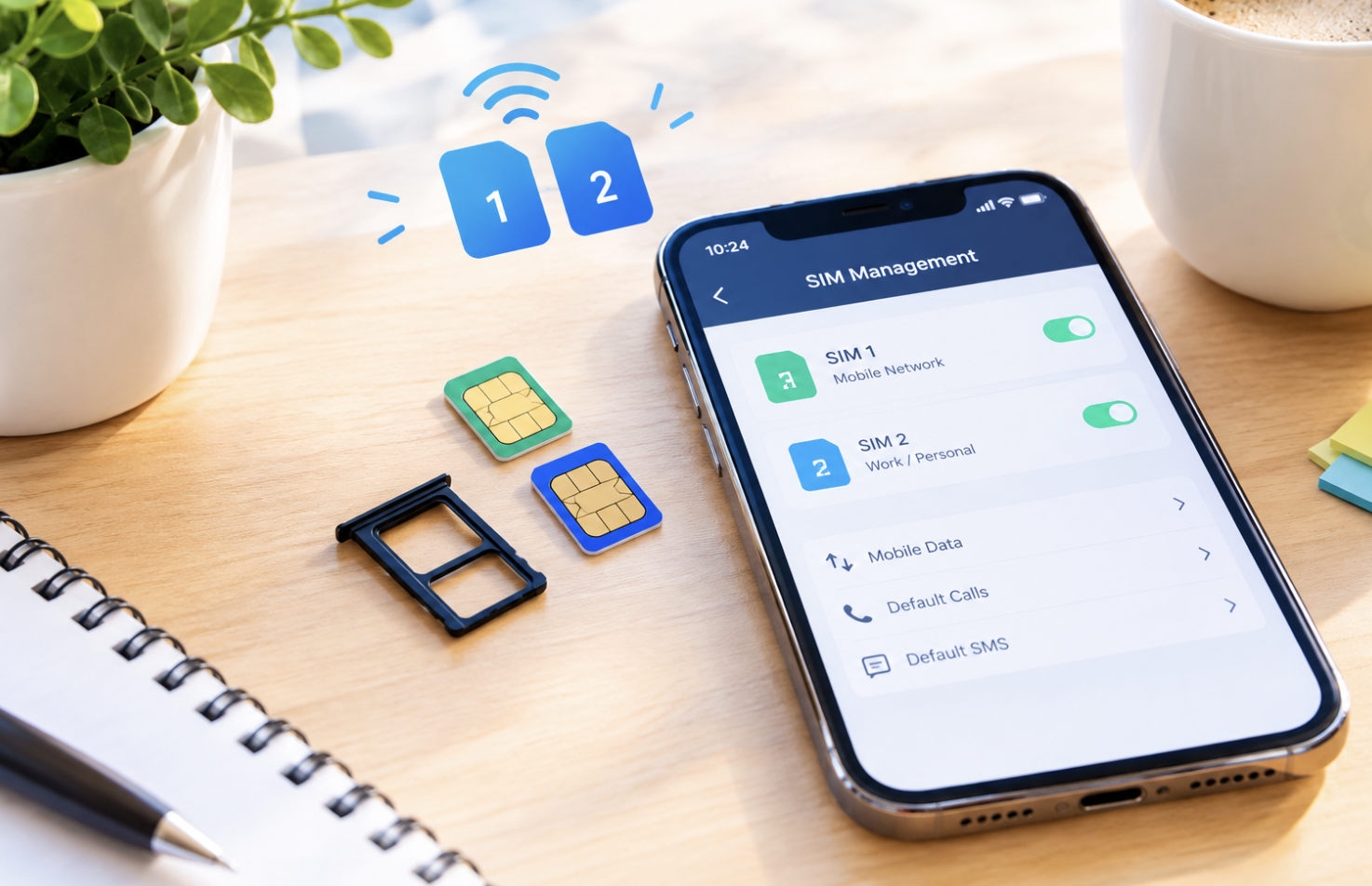
Dual SIM refers to a smartphone’s capability to use two separate SIM cards simultaneously, allowing the device to maintain two genuinely separate phone numbers and, in many cases, two separate cellular service plans on a single physical device. This eliminates the traditional need to carry two entirely separate phones when someone genuinely needs access to two different phone numbers.
Understanding this simultaneous dual functionality genuinely matters, since it distinguishes true dual SIM capability from simply having a SIM card slot that could accommodate different cards at different times, instead allowing genuine, ongoing access to two separate numbers and services within the same single device.
How Dual SIM Technology Actually Works
Understanding the genuine technical implementation allowing a single device to actually maintain two separate cellular connections helps clarify how this functionality actually operates in practice.
- The device physically accommodates two separate SIM cards, either through two physical slots or one physical and one digital SIM
- Both SIM cards can genuinely remain active simultaneously, each maintaining its own separate phone number
- The device manages which SIM handles specific calls, texts, or data based on your configured settings
- This allows switching between or genuinely using both numbers without needing to physically swap SIM cards
Understanding the Difference Between Physical and Digital SIM Implementations
Understanding that dual SIM functionality can genuinely be implemented through different specific technical approaches helps clarify the variety of ways modern devices actually provide this capability.
- Traditional dual SIM uses two physical SIM card slots within the device
- Some modern devices combine one physical SIM slot with digital SIM technology for the second number
- Digital SIM technology allows adding a cellular plan without needing a genuine physical card at all
- Understanding your specific device’s particular implementation helps clarify your actual available options
Common Genuine Reasons People Actually Use Dual SIM Functionality
Understanding the practical, real-world scenarios where having two active phone numbers genuinely provides meaningful value helps clarify whether this feature might actually benefit your own specific situation.
- Separating personal and work phone numbers while carrying only a single physical device
- Maintaining a local phone number while traveling internationally, alongside your regular home number
- Taking advantage of different service plans offering better rates for different types of usage
- Testing a new cellular provider’s coverage and service quality while maintaining your existing number
This travel scenario deserves particular emphasis, since international travelers can genuinely benefit significantly from dual SIM capability, allowing them to add a local SIM card for affordable local calling and data while traveling, while still maintaining their regular home phone number active for receiving important calls or messages from family, friends, or colleagues back home.
Why Business Users Often Genuinely Value This Functionality
Understanding why professionals specifically often find dual SIM capability genuinely valuable helps illustrate one of the more common, practical use cases for this smartphone feature.
- Maintaining clear separation between personal and professional phone communications
- Avoiding the genuine inconvenience and cost of carrying two entirely separate physical devices
- Allowing easier management of work-related expenses when a business specifically covers one number’s costs
- This separation can also support better genuine work-life balance by allowing selective availability
Understanding the Genuine Limitations of Dual SIM Functionality
Understanding that dual SIM technology, despite its genuine convenience, comes with some real practical considerations and limitations worth understanding before relying on this feature.
- Some devices may not support having both SIM cards using high-speed data simultaneously
- Battery life may be somewhat affected by maintaining two active cellular connections simultaneously
- Not every smartphone model offers genuine dual SIM capability, making this a specific feature to verify before purchase
- Understanding these limitations helps set realistic expectations for how dual SIM functionality actually performs
Practical Considerations for Deciding Whether You Need Dual SIM
- Consider whether you genuinely need to maintain two separate, active phone numbers regularly
- Evaluate whether your specific reasons for wanting two numbers align with dual SIM’s genuine practical benefits
- Check your specific device’s actual dual SIM implementation and any relevant limitations before purchase
- Consider whether alternative solutions, like a dedicated work phone, might better suit your particular situation
Why Dual SIM Genuinely Provides Backup Connectivity Value Beyond Two Numbers
Understanding an additional genuine practical benefit dual SIM functionality provides, beyond simply maintaining two separate active numbers, helps illustrate this feature’s broader value proposition for certain users specifically prioritizing reliable connectivity.
Some users specifically use dual SIM capability to maintain service from two genuinely different cellular providers, providing a form of backup connectivity if one specific provider experiences a service outage or has genuinely poor coverage in a particular location.
This approach means your device could potentially still maintain some cellular connectivity even if your primary provider experiences a significant service disruption, representing a genuinely valuable consideration for users in areas with variable coverage, or those for whom maintaining reliable connectivity represents an especially important priority worth this additional planning and expense.
- Some users maintain dual SIM specifically to have service from two genuinely different cellular providers
- This provides backup connectivity if one specific provider experiences an outage or poor local coverage
- Your device could maintain some connectivity even during a significant primary provider service disruption
- This represents a genuinely valuable consideration for users prioritizing especially reliable, redundant connectivity
Final Thoughts
Dual SIM technology allows a single smartphone to maintain two separate, genuinely active phone numbers simultaneously, providing meaningful practical value for situations like separating personal and work communications or maintaining local connectivity while traveling internationally. Understanding both the genuine benefits and real practical considerations helps you determine whether this increasingly common smartphone feature actually addresses a genuine need in your own specific communication situation.
Frequently Asked Questions
1. Can both phone numbers on a dual SIM device genuinely receive calls and texts simultaneously?
Generally yes, most dual SIM implementations allow both numbers to remain genuinely active and able to receive communications simultaneously, though the specific behavior can vary somewhat depending on your particular device and its specific dual SIM implementation.
2. Does using dual SIM functionality genuinely affect my phone’s battery life?
It can have some genuine impact, since maintaining two active cellular connections requires somewhat more power than a single connection, though this impact is typically modest rather than dramatically significant for most users’ typical usage patterns.
3. Do I need two separate cellular service plans to genuinely use dual SIM functionality?
Yes, generally, since each SIM card typically requires its own associated service plan, meaning using dual SIM functionality genuinely involves maintaining two separate ongoing service arrangements, whether through the same or different cellular providers.
4. Can I genuinely use dual SIM to have one number for calls and a different number specifically for data?
Yes, many dual SIM configurations allow this kind of specific customization, letting you designate different SIMs for different specific functions based on your particular needs and preferences, such as one plan optimized for voice calls and another for data usage.
5. Is dual SIM functionality becoming genuinely more common across smartphone models?
Yes, this feature has become increasingly common across various smartphone price points and manufacturers, though availability still varies by specific model and region, making it worth verifying this particular capability before purchasing if dual SIM functionality genuinely matters for your needs.