
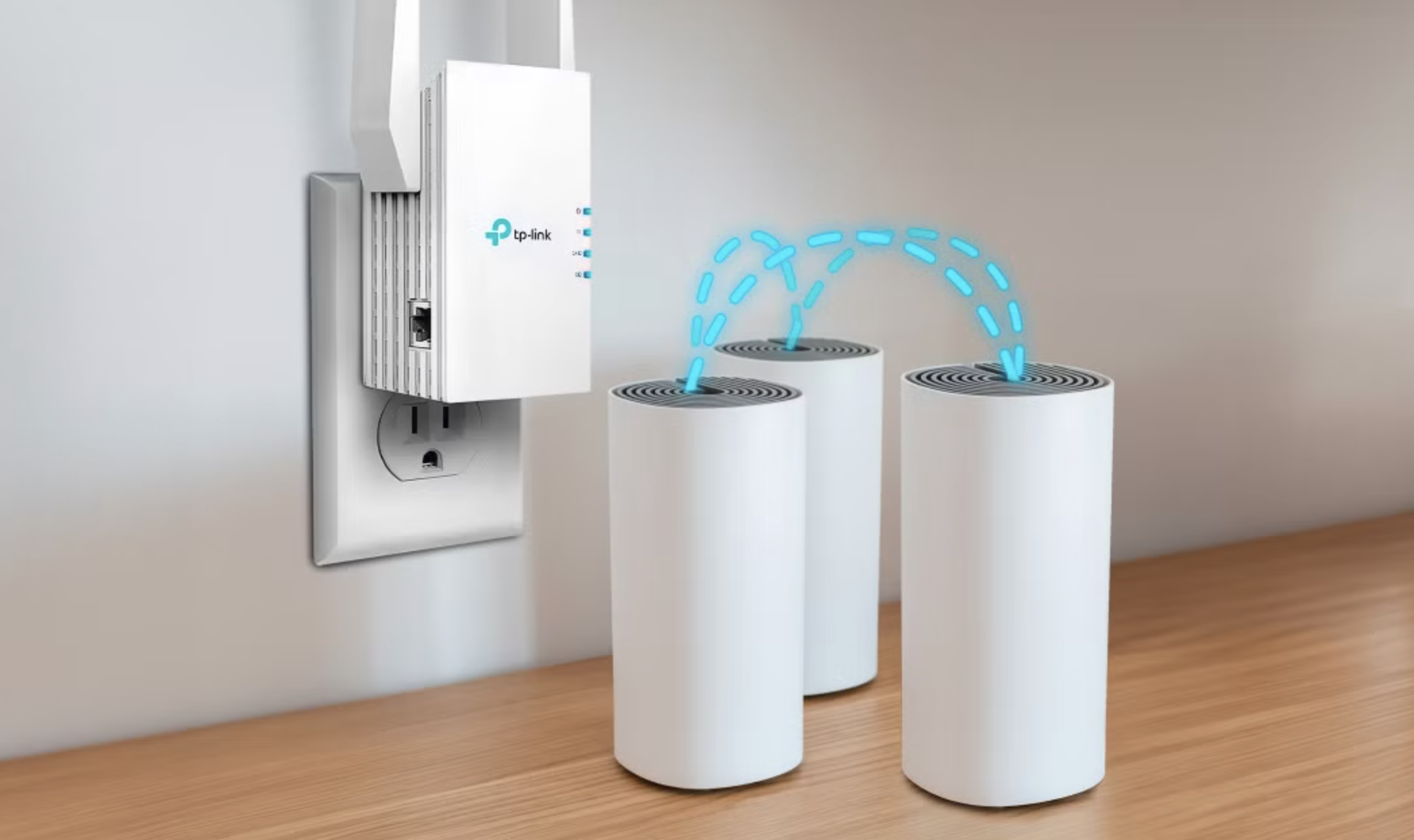
Homeowners struggling with WiFi dead zones frequently encounter two different potential solutions, mesh networking systems and traditional WiFi extenders, without always understanding the genuine technical differences between these approaches or which one actually better suits their specific situation. Understanding how these two solutions actually differ helps clarify which approach genuinely provides better results for extending your home’s WiFi coverage.
What a Traditional WiFi Extender Actually Does
A WiFi extender works by receiving your existing router’s wireless signal and rebroadcasting it, effectively extending your WiFi coverage into areas that might otherwise experience weak or no signal. This creates an additional wireless network, or sometimes extends your existing network name, that devices in previously weak coverage areas can now connect to using this boosted, rebroadcast signal.
Understanding this rebroadcasting approach genuinely matters, since it explains both this solution’s genuine appeal, relatively simple setup and lower typical cost, and some of its inherent technical limitations related to how signal rebroadcasting actually works compared to more sophisticated mesh networking approaches.
What Mesh Networking Actually Does Differently
Understanding how mesh networking takes a genuinely different, more sophisticated technical approach to extending WiFi coverage helps clarify why this solution has grown considerably in popularity despite typically costing more than traditional extenders.
- Mesh systems use multiple coordinated devices, called nodes, working together as a genuinely unified network
- These nodes communicate with each other to intelligently route your device’s connection through the most efficient path
- Unlike a simple extender, mesh systems create one seamless, unified network rather than separate rebroadcast segments
- This coordinated approach generally provides more consistent, reliable coverage throughout your entire home
This unified network approach deserves particular emphasis, since mesh systems specifically avoid the network fragmentation that can occur with traditional extenders, where devices might need to manually switch between your original network and the extended network as you move throughout your home, while mesh systems instead provide genuinely seamless coverage where your devices automatically connect to whichever specific node currently provides the strongest signal.
Why Signal Quality Genuinely Differs Between These Two Approaches
Understanding the genuine technical reason mesh networking often provides superior signal quality compared to traditional extenders helps clarify this meaningful practical difference between these two solutions.
- Traditional extenders often experience some genuine signal quality reduction when rebroadcasting the original signal
- This happens because the extender itself needs to both receive and retransmit the signal using the same limited wireless capacity
- Mesh systems typically use more sophisticated methods to maintain stronger signal quality throughout the network
- Some mesh systems use dedicated wireless bands specifically for node-to-node communication, preserving more capacity for actual devices
This dedicated communication band consideration deserves particular emphasis, since some mesh systems specifically reserve a separate wireless frequency exclusively for communication between the mesh nodes themselves, meaning this internal coordination does not compete with your actual devices for available wireless capacity, a genuine technical advantage that helps explain mesh systems’ typically stronger overall performance compared to simpler WiFi extenders.
Understanding the Genuine Cost and Complexity Trade-Offs
Understanding the real, practical trade-offs between these two approaches beyond simply technical performance helps clarify which solution might genuinely better suit your specific situation and priorities.
- WiFi extenders typically cost considerably less than comparable mesh networking systems
- Extenders generally offer simpler, more straightforward initial setup compared to configuring a full mesh system
- Mesh systems typically require purchasing multiple nodes, representing a genuinely higher overall investment
- Understanding your specific budget and technical comfort level helps inform which approach better fits your needs
When a Simple WiFi Extender Genuinely Remains a Reasonable Choice
Understanding the specific situations where a traditional WiFi extender still genuinely represents a reasonable, practical solution helps provide balanced context beyond assuming mesh networking always represents the objectively superior choice.
- Smaller homes or apartments with relatively modest coverage gaps may be adequately served by a simple extender
- Users with genuinely limited budgets may find an extender provides acceptable improvement at lower cost
- Situations requiring only occasional, temporary coverage improvement might not justify a full mesh system investment
- Understanding your actual specific coverage needs helps determine whether this simpler solution genuinely suffices
When Mesh Networking Genuinely Justifies Its Additional Cost
Understanding the specific situations where mesh networking’s additional cost and complexity genuinely provides worthwhile value helps clarify when this more sophisticated solution makes the most practical sense.
- Larger homes with genuinely significant coverage challenges across multiple rooms or floors
- Households with many connected devices requiring consistently reliable coverage throughout
- Users who value the convenience of a single, unified network without needing to manually switch networks
- Situations where consistent, high-quality coverage genuinely matters for activities like video calls or gaming
Why Mesh Systems Genuinely Support More Sophisticated Device Management
Understanding that mesh networking systems typically offer genuinely more sophisticated network management features compared to traditional WiFi extenders provides additional useful context beyond simply coverage and signal quality considerations alone.
Many mesh systems include companion apps offering genuinely detailed visibility into connected devices, allowing features like prioritizing bandwidth for specific devices, setting up separate guest networks, or implementing parental controls through an intuitive, unified interface. This additional management sophistication represents a genuine practical advantage beyond pure coverage improvement, since it allows households to more thoughtfully manage their growing collection of connected devices through a single, coherent system rather than needing separate tools or more limited management options that traditional extenders typically provide.
- Mesh systems typically include companion apps offering detailed visibility into connected devices
- This enables features like bandwidth prioritization, guest networks, and parental controls through one interface
- This management sophistication represents a genuine practical advantage beyond just coverage improvement
- This allows more thoughtful management of a household’s growing collection of connected devices overall
Final Thoughts
Mesh networking provides genuinely more sophisticated, seamless WiFi coverage through coordinated nodes working together as a unified network, generally outperforming traditional WiFi extenders’ simpler signal rebroadcasting approach, though at a meaningfully higher typical cost. Understanding both solutions’ genuine technical differences and practical trade-offs helps you choose the approach that actually fits your specific home’s coverage challenges, device usage patterns, and budget considerations.
Whichever solution you ultimately choose, taking the time to actually map out your home’s genuine dead zones and coverage needs beforehand helps ensure your investment, whether in a simple extender or a full mesh system, genuinely addresses your specific situation rather than representing a generic purchase that may not fully resolve your particular connectivity frustrations.
- You may want to know about Mesh Wi-Fi: Do You Really Require One?
Frequently Asked Questions
1. Is mesh networking always genuinely better than a simple WiFi extender?
For situations involving significant coverage challenges or many connected devices, mesh networking generally provides better performance meaningfully, though for smaller spaces with modest coverage gaps, a simple extender may provide adequate improvement at considerably lower cost.
2. How many mesh network nodes do I genuinely need for my home?
This depends on your specific home’s size and layout, with manufacturers typically providing general guidance, though larger or more challenging layouts with genuine dead zones may benefit from additional nodes beyond a basic starter kit.
3. Can I genuinely mix and match different brands of mesh networking equipment?
Generally no, since most mesh networking systems are specifically designed to work with nodes from the same manufacturer and product line, meaning expanding an existing mesh system typically requires purchasing compatible, matching equipment.
4. Does setting up a mesh network genuinely require more technical expertise than a WiFi extender?
Initial setup complexity varies, though many modern mesh systems have genuinely simplified this process through user-friendly mobile apps, sometimes making setup comparably straightforward to configuring a traditional extender despite the underlying technology being considerably more sophisticated.
5. Will switching from a WiFi extender to a mesh system genuinely require replacing my existing router?
This depends on the specific mesh system chosen, since some mesh systems are designed to replace your existing router entirely, while others can work alongside your current router, making this an important consideration when researching specific mesh networking products.