Anyone who has ever peeked into their router’s network settings has likely encountered the term subnet mask, often displayed alongside an IP address without much explanation of what this particular string of numbers actually does. Understanding what a subnet mask actually means, and why networks genuinely need this concept, provides useful foundational knowledge for anyone curious about how networking actually works beneath the surface.
What a Subnet Mask Actually Does
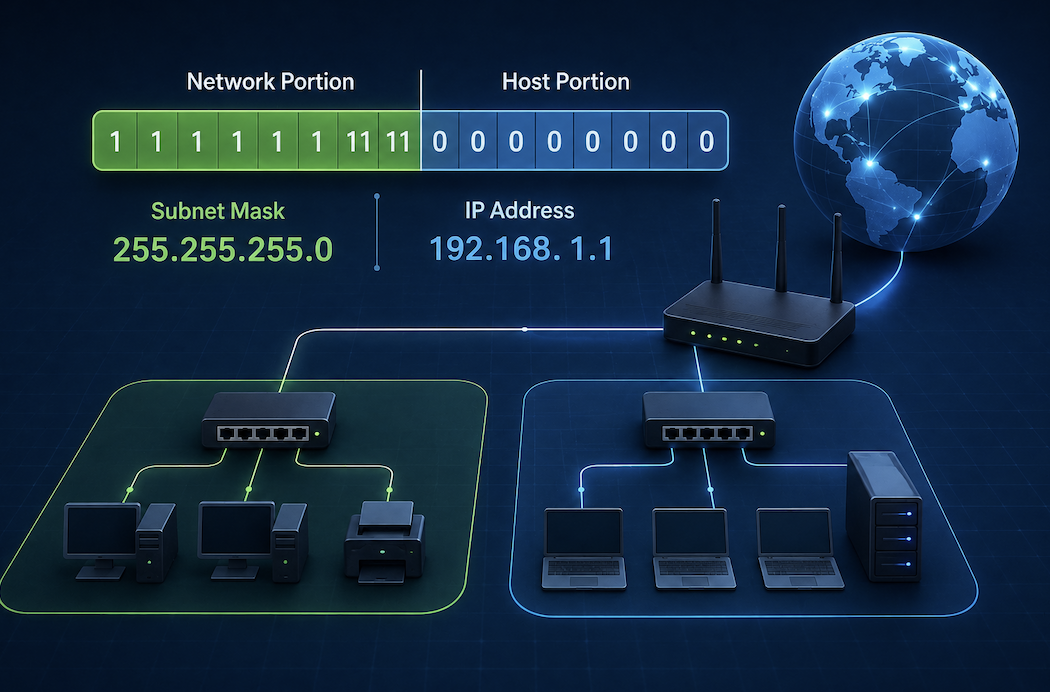
A subnet mask is a set of numbers that works alongside an IP address to determine which portion of that address identifies the specific network a device belongs to, and which portion identifies that individual device within that particular network. Essentially, it helps a device and the broader network genuinely understand where the network identification ends and where the specific host identification begins within a given IP address.
Think of this in a conceptual sense similar to how a postal address combines a general area, like a street name, with a specific identifier, like a house number, within that street, where the subnet mask essentially tells your network exactly where this division between the general network area and specific device identifier actually occurs within the numerical IP address.
How Subnet Masks Actually Work Technically
Understanding the genuine technical mechanism behind how a subnet mask actually divides an IP address helps clarify this concept beyond just the general postal address analogy.
- An IP address consists of a series of numbers divided into distinct sections
- The subnet mask uses a similar numerical format to indicate which sections represent the network portion
- Sections marked by the subnet mask as network identifiers remain consistent for every device on that specific network
- Sections marked as host identifiers uniquely distinguish each individual device within that same network
This consistent network portion deserves particular emphasis, since every device connected to the same local network, whether it is your laptop, phone, or smart speaker, will genuinely share the exact same network portion of their respective IP addresses, while each device maintains its own genuinely unique host portion, allowing the network to correctly identify and communicate with each specific individual device.
Why Networks Genuinely Need This Division
Understanding the fundamental practical purpose subnet masks actually serve helps clarify why this concept exists as a genuinely important networking fundamental rather than an arbitrary technical detail.
- This division allows network equipment to efficiently determine whether traffic should stay within the local network
- It helps routers understand where to actually direct data based on whether a destination is local or external
- This organizational structure allows networks to be genuinely organized into logical, manageable segments
- Without this division, network equipment would struggle to efficiently route data to its correct destination
This routing efficiency deserves particular emphasis, since without this network and host division, every single device across the entire internet would need to be individually identified without any organizational structure, creating a genuinely unmanageable system, while subnet masks allow network equipment to make efficient decisions by first identifying the general destination network before determining the specific device within that network.
Understanding Common Subnet Mask Notations You Might Encounter
Understanding the different ways subnet masks actually get displayed and written helps you recognize this information when you encounter it within various network settings and documentation.
- Traditional notation displays the subnet mask as its own separate set of numbers alongside the IP address
- CIDR notation, a more condensed format, displays this information as a single number following the IP address
- Both notations represent genuinely the same underlying information, just formatted somewhat differently
- Understanding both formats helps you recognize subnet mask information regardless of which specific notation a particular system uses
How Subnet Masks Relate to Creating Separate Network Segments
Understanding how subnet masks genuinely enable network segmentation, dividing a larger network into smaller, more manageable segments, provides useful context connecting this concept to practical network organization strategies.
- Adjusting a subnet mask can effectively divide a larger network into multiple smaller, separate segments
- This segmentation allows organizing different types of devices or users onto genuinely distinct network portions
- Businesses commonly use this technique to separate different departments or device categories for organizational and security purposes
- Understanding this connection helps explain why subnet mask configuration matters for network administrators managing larger networks
Why Understanding Subnet Masks Matters for Troubleshooting
Understanding basic subnet mask concepts provides genuinely practical value when troubleshooting certain common network connectivity issues, even for people without extensive networking expertise.
- Incorrect subnet mask configuration can prevent devices from properly communicating within the same network
- Understanding this concept helps you recognize when this specific setting might be contributing to a connectivity problem
- This knowledge provides useful context when following technical support instructions involving network configuration
- Basic subnet mask literacy helps demystify network settings that might otherwise seem entirely inaccessible or confusing
Practical Situations Where This Knowledge Genuinely Helps
- Setting up a home network with multiple routers or network segments
- Troubleshooting connectivity issues between devices that should genuinely be able to communicate locally
- Understanding router configuration screens when adjusting advanced network settings
- Following technical instructions from internet service providers or IT support that reference this specific setting
How Subnet Masks Relate to the Broader Concept of Private IP Address Ranges
Understanding how subnet masks work alongside the private IP address ranges commonly used within home and business networks provides additional useful context connecting these related networking fundamentals together.
Most home networks use IP addresses from specifically designated private ranges, meaning addresses not directly routable across the broader public internet, with the subnet mask determining exactly how these private addresses get organized and divided among your specific connected devices. This combination of private addressing and subnet masking allows millions of separate home and business networks worldwide to all use genuinely overlapping private address ranges internally without any actual conflict, since these private addresses only need to remain unique within each individual local network rather than across the entire global internet.
- Most home networks use specifically designated private IP address ranges rather than public addresses
- The subnet mask determines how these private addresses get organized among your specific connected devices
- This combination allows countless separate networks worldwide to use overlapping private ranges without conflict
- Understanding this connection provides useful additional context for how home networking actually functions at a fundamental level
Final Thoughts
A subnet mask works alongside an IP address to genuinely distinguish which portion identifies your specific network and which portion identifies your individual device within that network, enabling efficient routing and organized network structure. Understanding this foundational networking concept, even at a basic level, provides genuinely useful context for troubleshooting connectivity issues and understanding router configuration settings that might otherwise remain confusing technical mysteries.
Frequently Asked Questions
1. Do I need to understand subnet masks for basic, everyday home internet use?
Generally no, since most home routers handle this configuration automatically without requiring manual user intervention, though understanding the basic concept becomes genuinely useful if you ever need to troubleshoot connectivity issues or configure more advanced network settings.
2. What happens if devices on the same network have different, mismatched subnet masks?
This can genuinely cause communication problems between those devices, since they may disagree about which portion of the network they actually belong to, making consistent subnet mask configuration across all devices on the same network genuinely important for proper functioning.
3. Is a subnet mask the same thing as an IP address?
No, though they work together closely. An IP address identifies a specific device, while the subnet mask provides the genuinely necessary context for understanding which portion of that address represents the network versus the specific individual device within that network.
4. Can I change my home network’s subnet mask if I want to create separate network segments?
Yes, technically, most routers do allow adjusting this setting, though this typically requires accessing advanced router configuration settings and understanding the genuine implications of these changes, making this more relevant for users with specific network segmentation needs rather than typical everyday use.
5. Why does this seemingly simple concept sometimes feel genuinely confusing to understand?
The numerical notation and underlying binary logic behind subnet masks can genuinely feel abstract compared to more intuitive networking concepts, though focusing on the basic underlying purpose, distinguishing network from device identification, helps make this concept considerably more approachable than the technical notation alone might initially suggest.