
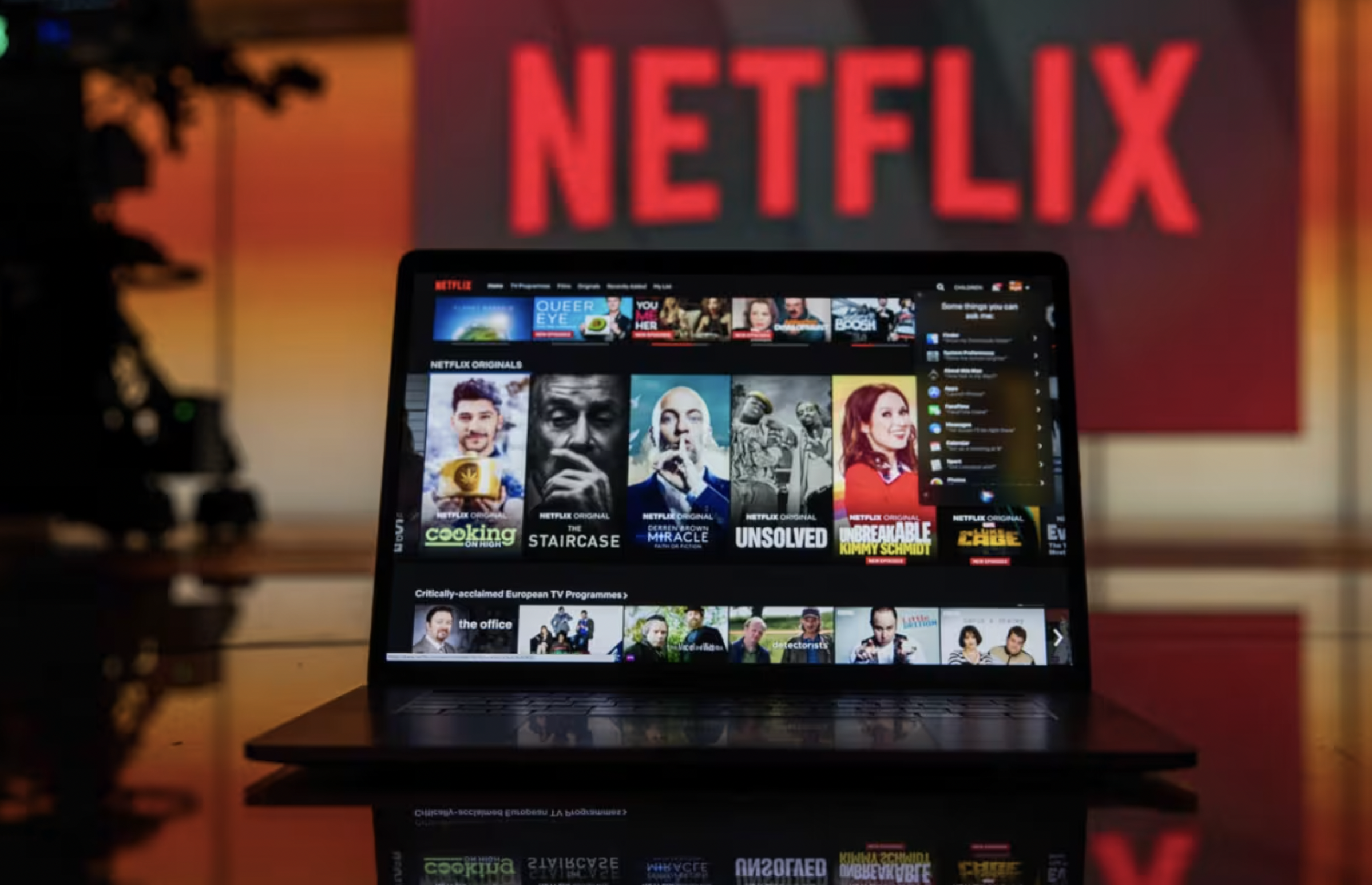
A college student who had used her parents’ Netflix login for years suddenly found herself locked out mid-semester, greeted by a message asking her to verify the account or pay for her own profile going forward from that point. She ended up splitting a new subscription with two roommates instead, a small but telling shift in how an entire generation accesses streaming content today across every major platform.
That single notification represented years of internal debate at Netflix and other streaming giants over how to convert casual freeloaders into paying customers without alienating their existing subscriber base in the process of doing so.
Netflix’s Crackdown Timeline
Netflix began testing password-sharing restrictions in select countries before rolling out enforcement more broadly across its largest markets over the following year. The company used household verification tied to home Wi-Fi networks and IP addresses to detect accounts being used across multiple locations far apart from each other. The rollout generated considerable backlash on social media when it began, with many long-time subscribers threatening to cancel their accounts entirely in protest over the sudden change.
Despite the initial noise, Netflix reported that the crackdown drove new subscription sign-ups rather than a mass exodus of frustrated users, validating the company’s bet that former freeloaders would rather pay than lose access to shows they’d built into their weekly routine. Other streaming platforms watched closely, and the strategy has since become something of an industry template that competitors have studied and adapted for their own subscriber base and pricing structure.
How Streaming Services Detect Shared Accounts
Detection methods generally rely on a combination of signals rather than a single data point, since IP addresses alone can be unreliable indicators, especially for households using VPNs or traveling frequently for work reasons. Streaming platforms have built systems that look at login patterns over time rather than flagging a single instance of out-of-network access as automatically suspicious.
- Primary location tracking: a home network is periodically verified through device and Wi-Fi signals tied to the account over a rolling window.
- Device count monitoring: an unusually high number of devices logging in from different locations can trigger a review of the account.
- Login frequency patterns: accounts accessed from many distant locations within a short window raise flags for further checking by the system.
- Prompted verification: users are occasionally asked to confirm their primary household through a code sent to a TV or streaming device in the home.
Extra Member Fees Across Platforms
Rather than banning sharing outright, most platforms introduced a paid option for extending access beyond the primary household, letting subscribers add a person outside their home for a smaller monthly fee than a full separate subscription would cost. This preserved some flexibility for long-distance families while still capturing revenue from previously free riders who had shared an account for years without paying anything extra.
- Netflix’s extra member add-on: a lower-cost option for adding someone outside the primary household to an existing plan directly through the app.
- Disney+ additional member slots: a similar structure introduced as Disney followed Netflix’s enforcement model closely over the following year.
- Max’s shared account policies: adopted comparable household verification and add-on pricing over time as the broader market shifted this direction.
- Amazon Prime Video adjustments: tightened simultaneous stream limits alongside broader subscription changes to its overall pricing structure.
Disney+, Max, and the Industry Follows Suit
Once Netflix demonstrated that password-sharing restrictions could boost revenue without crashing subscriber counts, competitors moved to adopt similar policies rather than compete by staying permissive with account sharing indefinitely. Disney+ introduced its own crackdown following Netflix’s playbook closely, restricting account sharing outside a primary household and offering an extra member option for a fee, mirroring the approach almost exactly down to the pricing structure used.
Warner Bros. Discovery’s Max and other major platforms have signaled similar intentions or rolled out comparable restrictions of their own, suggesting an industry-wide convergence on the idea that password sharing represents lost revenue worth reclaiming rather than a tolerable cost of building brand loyalty among younger, price-sensitive viewers who grew up sharing logins freely with friends and family.
Subscriber Numbers and Revenue Impact
Streaming companies have generally reported that crackdowns translated into subscriber growth and higher average revenue per user, even accounting for some cancellations from frustrated long-time freeloaders who resented the sudden change in policy. Wall Street responded favorably to these results, reinforcing the strategy across the industry as a proven method for extracting more revenue from an existing audience without raising base prices directly across the board.
- New paid sign-ups: many former password borrowers converted into direct subscribers rather than abandoning the service altogether once locked out.
- Extra member revenue: the add-on fee created a new, lower-friction revenue stream for extended household access without a full new account required.
- Churn from restrictions: a portion of users did cancel in protest, though the net effect on revenue was generally positive overall for the company.
- Ad-supported tier growth: cheaper, ad-supported plans absorbed some price-sensitive users who didn’t want to pay full price for uninterrupted access.
Workarounds Viewers Still Try
Despite tightened enforcement, some viewers continue looking for ways around the restrictions, with mixed and often temporary success at best. VPN use to mask location, frequent travel-mode toggles, and simply accepting occasional prompts to verify a household remain common tactics, though detection systems have grown more sophisticated at catching them over time and closing loopholes as they appear.
- VPN masking: used to disguise a device’s real location, though platforms have improved detection of this behavior a great deal in recent updates.
- Travel mode toggling: temporary features meant for legitimate travelers occasionally get used to bypass restrictions for longer than intended by design.
- Rotating logins: some users switch between different accounts rather than committing to one shared login long-term to avoid detection entirely.
- Splitting costs with roommates or friends: a straightforward, fully legitimate workaround that has grown in popularity as sharing tightened across platforms.
Password Sharing Versus Account Sharing: Legal Gray Areas
Streaming companies have generally avoided pursuing legal action against individual password sharers, relying instead on technical restrictions and pricing incentives rather than litigation against their own paying customers. Terms of service typically prohibit sharing outside an immediate household, but enforcement has stayed civil rather than punitive, focused on nudging behavior through account verification and paid add-ons instead of lawsuits filed against ordinary viewers.
This approach reflects a practical calculation: pursuing legal action against millions of casual sharers would generate enormous backlash for comparatively little financial gain, whereas building friction and paid alternatives into the product itself achieves a similar revenue goal with far less public controversy attached to the effort.
What Comes Next for Streaming Bundles
As individual subscriptions have grown more expensive over the past few years, bundling has emerged as a counterbalancing trend, with companies packaging multiple streaming services together at a discount, echoing the cable bundle model streaming once promised to disrupt entirely in its early days. Password-sharing restrictions may push more households toward these bundles as a way to manage rising costs across multiple platforms at once rather than paying for each separately.
- Cross-company bundles: partnerships between previously separate platforms now offer combined subscriptions at a discount to attract new signups.
- Ad-supported tier expansion: lower-cost, ad-included plans continue growing as an alternative to full premium pricing across the industry at large.
- Password-sharing fatigue: some analysts suggest continued restrictions could push price-sensitive viewers toward piracy instead of paying more each month.
- Live sports and events: platforms are increasingly using exclusive live content to justify subscription costs beyond a back catalog of older shows.
International Markets and How Rules Differ Abroad
Password-sharing enforcement hasn’t rolled out uniformly across the globe, and travelers or expats often discover the differences the hard way when an account behaves unexpectedly in a new country. Streaming companies have staggered their crackdowns by region, testing detection systems and pricing in smaller markets before expanding to larger, more lucrative ones like the United States, which gave analysts an early preview of how subscribers might respond before the biggest markets ever felt the change themselves.
Pricing for extra member add-ons also varies by country, generally scaled to local purchasing power and existing subscription costs rather than a single global rate applied everywhere without adjustment. A fee that feels minor in one market can represent a larger share of a household’s entertainment budget elsewhere, which has led to uneven public reaction depending on where a subscriber happens to live and how the local price compares to other entertainment options available.
- Staggered regional rollouts: companies frequently test enforcement in smaller markets before extending the same policy to larger ones later on.
- Localized add-on pricing: extra member fees are typically adjusted to reflect local income levels and existing subscription costs in that market.
- Travel-related restrictions: crossing into a country with different content licensing can affect what’s available even on an otherwise unrestricted account.
- Regulatory pushback in specific countries: some regions have consumer protection bodies that have questioned or delayed enforcement measures locally.
Anyone who splits time between countries or manages a household spread across borders should expect more friction with account verification than someone who stays consistently within one location and network.
Content licensing adds a separate wrinkle that has nothing to do with password sharing directly but still shapes the traveling subscriber experience in a real way. A show available at home might disappear from the catalog entirely while a subscriber is abroad, since streaming rights are frequently negotiated on a country-by-country basis rather than as a single global package.
This has led some travelers to assume a licensing gap is an account restriction, adding confusion to an already inconsistent international experience that varies depending on exactly where a subscriber happens to be logging in from at any given moment.
Why Some Households Still Qualify for Exceptions
Not every household that looks unusual to a detection algorithm is sharing an account improperly, and streaming platforms have built in exceptions for legitimate situations that don’t fit a simple one-address model. College students living away from a family home for part of the year, households with a member who travels frequently for work, and multi-property families splitting time between two residences all represent edge cases that policies have had to account for since the initial rollout.
Most major platforms allow a temporary access window when traveling, letting a subscriber use their account away from the primary household for a limited stretch before a verification prompt appears asking them to confirm their status. Some services also offer a formal process for updating a primary household location entirely, useful for someone who relocates permanently rather than traveling temporarily and needing only short-term flexibility built into the system.
- Temporary travel access: most platforms allow a grace period away from the primary household before requiring renewed verification of location.
- Primary household updates: subscribers who move can typically update their registered home network through account settings without penalty.
- College student allowances: some services have adjusted policies specifically to accommodate students living away from a family’s primary residence.
- Documented exceptions for shared custody: households splitting time across two homes can sometimes request manual review for legitimate flexibility.
These built-in exceptions show that platforms are trying to distinguish between casual freeloading and the ordinary complexity of how modern households live day to day, even if the detection systems still get it wrong often enough to frustrate legitimate users caught in an edge case they never expected to run into when they first signed up for the service.
Customer support channels have become a common workaround for households that fall into a gray area no automated policy fully anticipated, since a brief conversation with a support representative can often resolve a false flag faster than waiting for an automated appeal process to run its course.
Subscribers who keep a record of past support interactions and account changes tend to have an easier time resolving disputes quickly, since a documented history helps a representative distinguish a legitimate edge case from a pattern that closely matches the kind of sharing a policy was designed to catch, rather than an unusual but entirely legitimate living arrangement a household happens to have.
Final Thoughts
Streaming platforms have shifted decisively from tolerating password sharing as a quiet cost of building loyal audiences to treating it as recoverable revenue, a shift that Netflix pioneered and competitors have largely followed since. The financial results have generally supported the strategy, even though it generated real frustration among longtime subscribers accustomed to informal sharing arrangements with family and friends over the years.
Extra member fees, tighter detection systems, and growing ad-supported tiers now define how most major platforms balance access against cost for their audience going forward. As bundling and live sports content become bigger competitive battlegrounds, password-sharing enforcement looks less like a temporary policy and more like a permanent feature of the streaming landscape for years to come.
Frequently Asked Questions
Can I still share my Netflix password with family who don’t live with me?
Netflix allows adding an extra member outside the household for an additional monthly fee, rather than sharing a single login freely across locations far apart. Fully free sharing outside a verified primary household is generally restricted under the current policy in most markets where Netflix operates.
How do streaming services know I’m not at home?
Platforms typically use a combination of IP address checks, device activity, and periodic household verification rather than relying on a single signal alone to decide. Traveling occasionally usually doesn’t trigger restrictions, but consistent access from a separate location over time often does eventually get flagged.
Did the password-sharing crackdown boost Netflix’s revenue in the end?
Netflix has reported that the crackdown contributed to subscriber growth and higher revenue per user following its rollout, offsetting much of the backlash it initially generated online from upset users. The company’s financial results after the policy change have generally supported this outcome over several quarters.
Will other streaming services keep following Netflix’s lead?
Given that Disney+ and other platforms have already adopted similar restrictions, it appears likely that more services will continue tightening account-sharing policies as long as the approach keeps boosting revenue for shareholders. Industry trends suggest this has become a standard practice rather than a temporary experiment tried once and abandoned.
Is using a VPN to bypass streaming restrictions illegal?
Using a VPN generally violates a streaming service’s terms of service rather than breaking the law outright in most jurisdictions, which typically results in account restrictions rather than legal consequences for the user. Detection systems have improved over time, making this workaround less reliable than it once was for most people who try it.
What is the cheapest way to keep multiple streaming subscriptions?
Ad-supported tiers, cross-company bundles, and splitting costs with people you already live with or trust tend to offer the most savings without violating account-sharing rules set by each platform. Regularly reviewing which services you’re still using and canceling unused ones also helps control costs over time as habits change.