Tapping a phone against a payment terminal instead of pulling out a physical card has become second nature for many people. That convenience is powered by digital wallets, a technology that has quietly transformed how millions of people pay for everyday purchases. This article explains exactly what a digital wallet is, how it actually stores and protects your card information, and what you should know before relying on one as your main way to pay.
What a Digital Wallet Actually Is
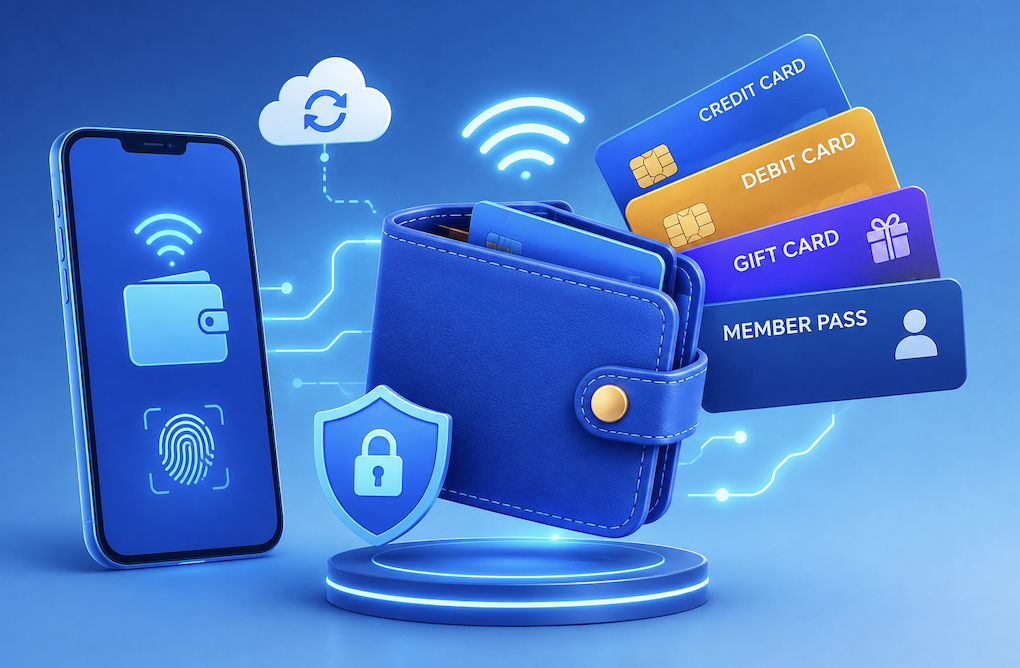
A digital wallet is an app that stores digital versions of your payment cards, allowing you to make purchases using your smartphone, smartwatch, or another connected device instead of a physical card. Popular examples include the built in wallet apps on smartphones, as well as standalone apps offered by banks and payment companies.
Beyond just payment cards, many digital wallets also store boarding passes, loyalty cards, event tickets, and even digital identification documents, making them a broader hub for everyday transactions rather than just a payment tool.
How Your Card Information Is Actually Stored and Protected
This is where a lot of people have misconceptions. A digital wallet does not simply store a copy of your actual card number the way a photo would. Instead, it uses a process called tokenization, which replaces your real card number with a unique digital token specific to that device.
When you add a card to a digital wallet, the wallet provider communicates with your bank to generate this token. The token is what gets stored on your device and transmitted during a purchase, not your actual card number. Even if someone intercepted the transaction data, the token would be useless without the specific device and encryption keys tied to it.
- Your real card number never actually gets shared with the merchant during a tap to pay transaction
- Each transaction also generates a unique, one time security code, making stolen data far less useful
- Tokens are tied specifically to your device, so they cannot simply be copied to another phone
How a Tap to Pay Transaction Actually Works
When you hold your phone near a payment terminal, a short range wireless technology called near field communication activates, allowing the device and terminal to exchange encrypted data over a very short distance. The wallet sends the token along with the one time transaction code, the terminal forwards this to the payment network, and approval happens within seconds.
Many digital wallets also require a form of authentication before completing a payment, such as a fingerprint, face scan, or passcode, adding another layer of security beyond what a physical card offers.
The Everyday Benefits Worth Knowing About
- Faster checkout since tapping a phone is often quicker than inserting or swiping a physical card
- Reduced risk of card skimming, since your actual card number is never exposed to the terminal
- One central place to store multiple cards, loyalty programs, and tickets
- Easier tracking of purchases through built in transaction history in most wallet apps
- Added authentication step, such as fingerprint or face verification, that a physical card simply does not have
Practical Tips for Using a Digital Wallet Safely
- Set up a passcode, fingerprint, or face authentication on your device as an added layer of protection
- Enable remote lock or wipe features in case your phone is ever lost or stolen
- Regularly review your transaction history for any unfamiliar charges
- Remove cards from a digital wallet promptly if you get a new phone or lose your device
- Only download official banking or payment apps from verified app stores
How Digital Wallets Handle More Than Just Payment Cards
While payments tend to get the most attention, digital wallets have quietly expanded into a much broader tool for everyday life. Many people now store boarding passes, concert tickets, loyalty program cards, and even government issued identification documents alongside their payment cards, all accessible from the same app.
Each of these item types is handled a little differently behind the scenes. Boarding passes and tickets often use scannable codes generated by the airline or venue, displayed securely within the wallet app rather than stored as raw, reusable data. Loyalty cards typically store a simple identifier tied to your account with that specific retailer, allowing points to be tracked automatically without needing a separate physical card. Digital identification documents, where supported, use additional layers of encryption and verification given the sensitivity of the information involved.
- Boarding passes and event tickets display secure, scannable codes rather than raw reusable data
- Loyalty cards store an account identifier that links back to your rewards program automatically
- Digital identification uses stronger encryption given the sensitivity of personal identity information
- Everything remains accessible from one app, reducing the need to carry multiple physical items
This broader functionality is a big part of why digital wallets have become genuinely central to how people manage daily errands and travel, not just how they pay for a cup of coffee.
Final Thoughts
Digital wallets have quietly become one of the more secure ways to pay, largely because of tokenization and built in device authentication working together behind the scenes. Understanding how the technology actually protects your information can make it much easier to trust and confidently rely on for everyday purchases.
As more retailers, transit systems, and service providers add support for tap to pay technology, digital wallets are likely to keep expanding well beyond simple purchases into an even broader hub for everyday tasks. For anyone still hesitant to make the switch from a physical wallet, understanding exactly how tokenization protects your actual card details is often enough to feel confident giving it a try, starting with a low stakes purchase to see how smoothly the process actually works in practice.
Frequently Asked Questions
1. Is a digital wallet safer than a physical card?
In many ways, yes. Digital wallets use tokenization and often require biometric authentication, meaning your actual card number is never exposed during a transaction, unlike a physical card that can be skimmed or copied.
2. What happens if I lose my phone with a digital wallet on it?
Most digital wallets require authentication like a passcode, fingerprint, or face scan before a payment can be made, and you can typically lock or remove your cards remotely through your phone’s account settings.
3. Do merchants see my real card number when I use a digital wallet?
No, merchants only receive a unique token specific to your device and that particular transaction, never your actual card number.
4. Can I use a digital wallet without an internet connection?
Yes, most tap to pay transactions work through near field communication and do not require an active internet connection at the moment of payment, though your phone may need connectivity to add or manage cards.